
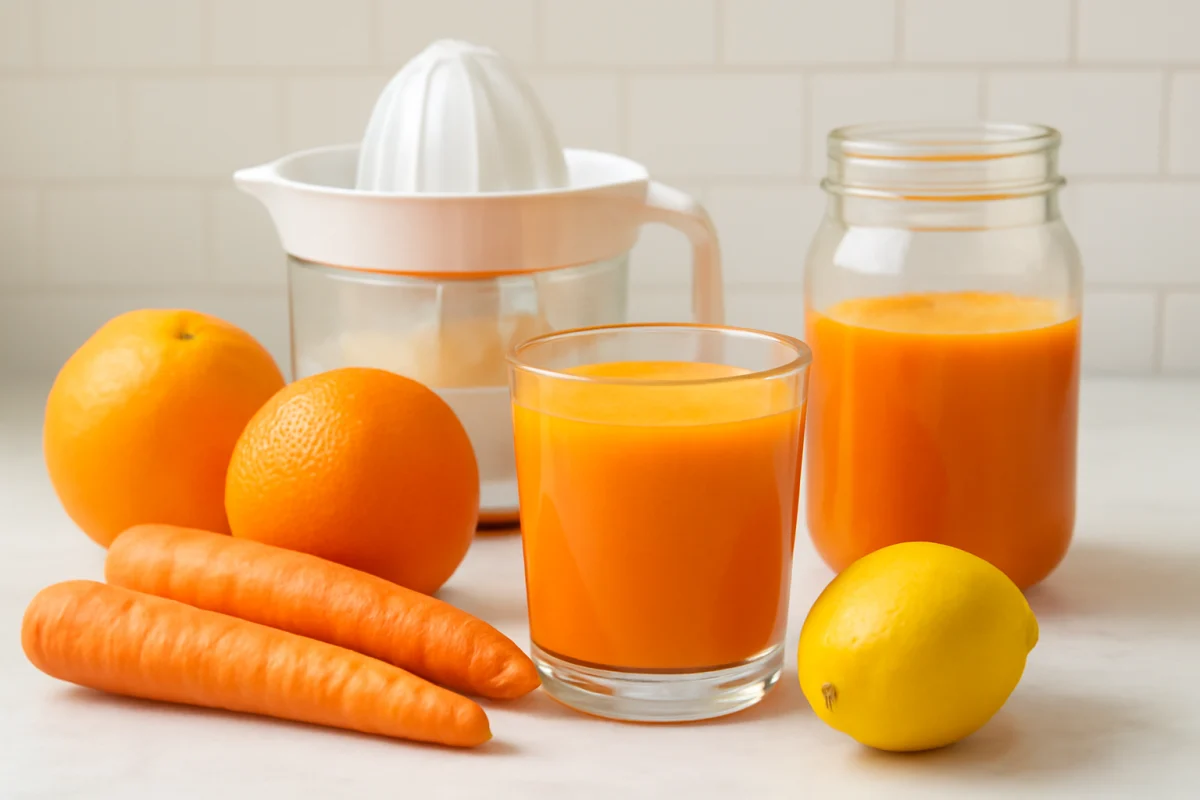
To maximize vitamin retention in juice, use fresh produce, limit heat and air exposure, blend or juice just before serving, and refrigerate leftovers promptly. This bright citrus-carrot juice combines oranges, lemon, carrots, and ginger for a refreshing drink with a balanced sweet-tart flavor. The recipe is a useful way to practice careful juice preparation without relying on extreme cleanse rules or unrealistic health promises. For more recipes and practical drink guidance, visit fruit infused detox water.
Vitamin content can change after produce is cut, juiced, blended, exposed to oxygen, or heated. You cannot prevent every change, but you can make practical choices that help preserve freshness and flavor. The most important habits are simple: wash ingredients thoroughly, use sound produce, keep equipment clean, avoid unnecessary warming, and drink the juice soon after preparation.
Why Try This Citrus-Carrot Juice?
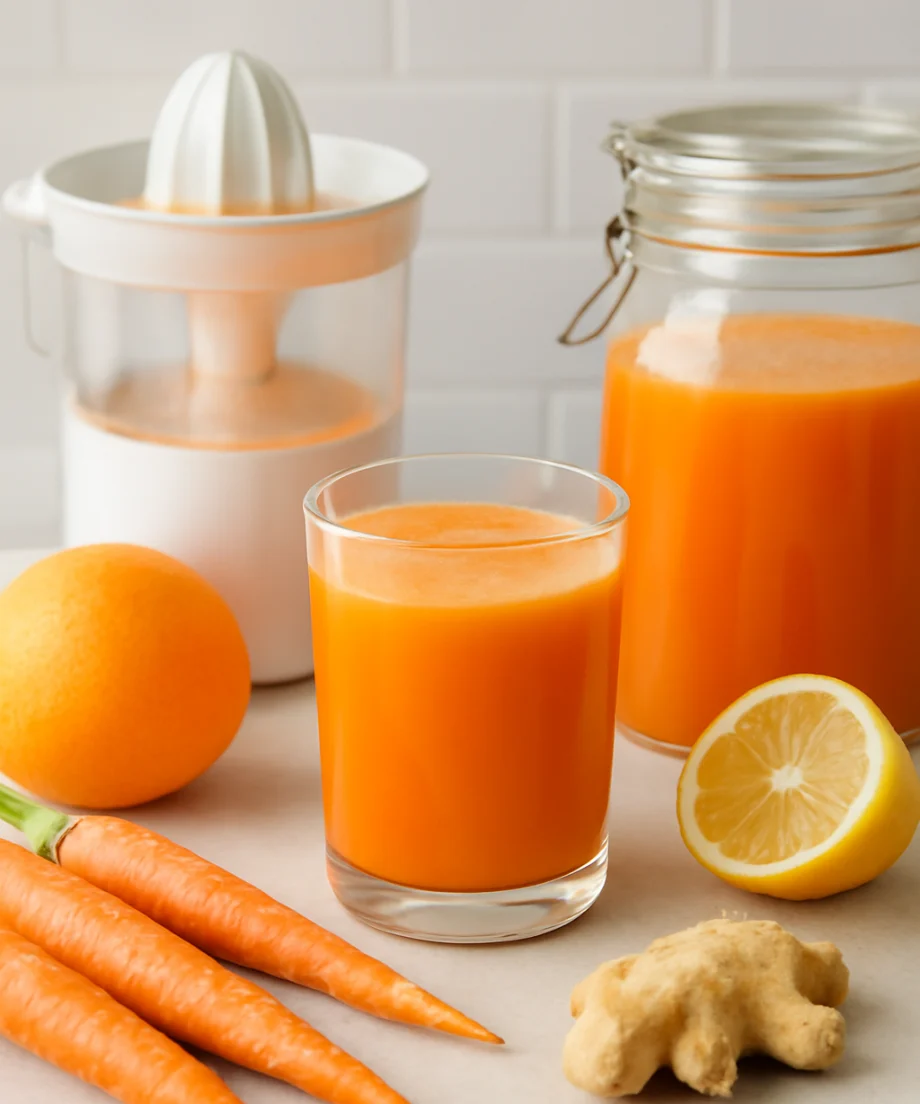
This recipe is worth trying because it uses everyday ingredients and does not require a complicated technique. Oranges provide a juicy citrus base, carrots add mild sweetness and color, lemon brightens the flavor, and a small amount of ginger contributes gentle spice. The ingredients are easy to adjust, so you can make the drink sweeter, sharper, or less intense without adding refined sugar.
Fresh juice can fit into a balanced eating pattern, but it is not a replacement for whole fruits, vegetables, meals, or professional medical care. Juicing removes much of the produce’s fiber, especially when a juicer separates the pulp. If you want more fiber and a thicker texture, use a high-speed blender and keep some of the pulp instead.
Recipe at a Glance
- Prep time: 15 minutes
- Total time: 20 minutes
- Servings: 2, about 8 ounces each
- Equipment: Juicer or blender, fine-mesh strainer if desired, knife, cutting board, and two glasses
Ingredients
- 3 medium oranges
- 2 medium carrots
- 1/2 small lemon
- 1/2-inch piece of fresh ginger, peeled
- 1/2 cup cold water, only if using a blender
- Ice for serving, optional
Choose firm carrots, oranges that feel heavy for their size, and a lemon with unbroken skin. Avoid produce that is moldy, leaking, badly bruised, or unusually soft. Fresh ginger should be firm and free of visible mold. If you are buying packaged ingredients, check the current label for storage instructions and use-by guidance.
How to Maximize Vitamin Retention in Juice
1. Wash produce before cutting
Rinse the oranges, carrots, lemon, and ginger under cool running water before peeling or cutting. Washing first helps prevent dirt and surface contaminants from transferring from the outside to the edible portions. Do not use soap, bleach, or household cleaners on produce. A clean produce brush can help scrub firm carrots if needed.
Clean your hands, knife, cutting board, juicer parts, and blender jar before starting. Food-contact equipment should be washed according to the manufacturer’s directions and allowed to dry thoroughly. Clean preparation supports both quality and food safety.
2. Cut ingredients shortly before juicing
Peel the oranges and lemon, remove obvious seeds, and trim the carrots. Cut large ingredients into pieces that fit your machine’s feed chute or blender jar. Try not to leave cut produce sitting on the counter while you prepare other tasks. Cutting increases the surface area exposed to oxygen, so working efficiently can help preserve the drink’s fresh taste and appearance.
3. Use a juicer for a lighter drink
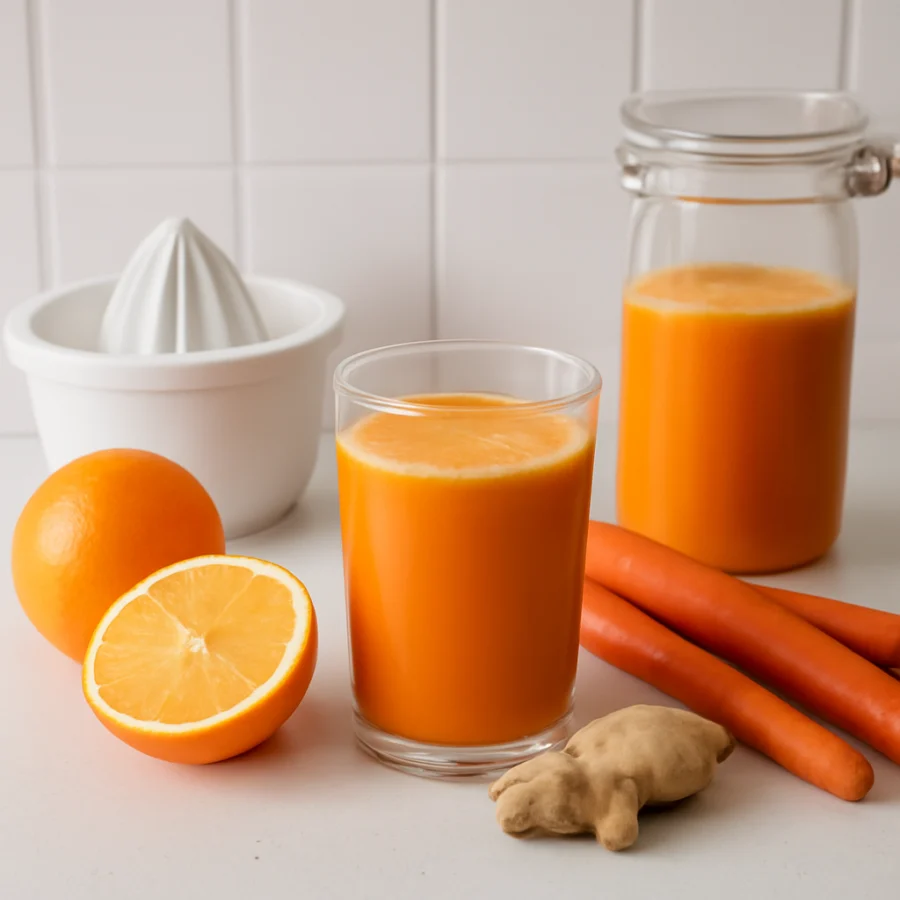
Feed the carrots, oranges, lemon, and ginger through the juicer according to the appliance instructions. Alternate firm and juicy ingredients if your machine’s manual recommends that approach. Stir the finished juice gently and pour it into clean glasses.
Juicing produces a smooth drink with less pulp, but the discarded pulp contains some of the produce’s fiber and other components. You can save properly handled pulp for soups, sauces, muffins, or other recipes if it is fresh and suitable for that use. Do not leave pulp at room temperature for an extended period.
4. Use a blender for more pulp
For a blender method, add the prepared oranges, carrots, lemon, ginger, and cold water to the jar. Blend until smooth, pausing to scrape down the sides if necessary. Pour the mixture through a fine-mesh strainer if you prefer a thinner juice, or serve it unstrained for a thicker drink.
A blender may warm the mixture slightly through friction, especially during a long blending cycle. Use cold ingredients, blend only until smooth, and avoid running the machine longer than necessary. The goal is a fresh, drinkable texture rather than a perfectly clear juice.
5. Serve promptly and keep the juice cold
Pour the juice into chilled glasses and serve immediately, with ice if desired. Freshly made juice generally has its best flavor and texture right away. If you need to hold it briefly, transfer it to a clean, covered container and refrigerate it as soon as possible.
Leave as little empty space as practical in the storage container. Less air exposure may help slow flavor and color changes, although it cannot stop them completely. A tightly closed glass jar or food-safe container works well. Do not store fresh juice in an unwashed container or leave it uncovered in the refrigerator.
Ingredient Alternatives
- For a less sweet drink: Replace one orange with additional lemon and cold water, adjusting gradually to taste.
- For a milder flavor: Use a smaller piece of ginger or leave it out.
- For a greener variation: Add a small handful of washed parsley or a few leaves of romaine. Introduce strong greens gradually so they do not overpower the citrus.
- For more tartness: Add a teaspoon of lemon juice at a time rather than adding a large amount at once.
- For a smoothie-like texture: Blend the ingredients with cold water and keep the pulp instead of straining.
Use substitutions thoughtfully if you have food allergies, medication-related dietary restrictions, or a condition that requires specific food guidance. Citrus and ginger may not suit everyone, so a qualified health professional can help with individual questions.
Food-Safety and Storage Notes
Fresh juice is perishable because it contains water and nutrients that can support microbial growth. Refrigerate it promptly in a covered container and keep the refrigerator at 40°F or below. For the best quality, drink it the same day. If you save leftovers, follow current guidance from reliable food-safety authorities and discard the juice if it develops an unusual odor, flavor, appearance, or signs of spoilage.
Do not rely on smell alone to determine whether a perishable drink is safe. When in doubt, throw it out. Avoid sharing unpasteurized juice with people who may be more vulnerable to foodborne illness, including young children, older adults, pregnant people, and those with weakened immune systems. For additional guidance, see these food safety and storage tips.
If you are preparing juice for a gathering, keep it chilled and avoid returning a serving pitcher to room temperature repeatedly. Pour smaller amounts and replenish from the refrigerator when needed. Wash reusable bottles promptly after use, including lids and narrow openings where residue can collect.
Serving Suggestions
Serve this juice with breakfast or a snack that includes protein, fiber, or healthy fats, such as plain yogurt, oatmeal, eggs, nuts, or whole-grain toast. Pairing juice with other foods can make the occasion more satisfying than drinking it alone. You can also pour a small amount over ice and dilute it with cold water for a lighter, less concentrated drink.
For an attractive presentation, chill the glasses before serving and garnish with a thin orange wheel or a small strip of ginger. Keep garnishes washed and refrigerated until use. Avoid adding raw egg, unpasteurized dairy, or other ingredients that create additional food-safety concerns.
Frequently Asked Questions
Does drinking juice immediately preserve every vitamin?
No. Drinking juice promptly can reduce the time it spends exposed to air and light, but nutrient changes vary by ingredient, preparation method, storage conditions, and time. Freshness is helpful, not a guarantee that every vitamin remains unchanged.
Is a juicer better than a blender for vitamin retention?
Neither method is automatically best in every situation. A juicer creates a lighter drink and usually separates more fiber. A blender keeps more of the ingredients in the final drink but may introduce more air and slight warmth during blending. Use the method that matches your preferred texture and drink the result soon after preparation.
Can I make this juice the night before?
You can, but the flavor, color, and texture may change during storage. Prepare it as close to serving time as practical. If you make it ahead, refrigerate it immediately in a tightly covered container and use it promptly rather than storing it for several days.
Should I add supplements to improve the recipe?
Not necessarily. Supplements can interact with medications or be inappropriate for some people. This recipe is designed around whole-food ingredients. Ask a qualified health professional before adding concentrated powders, herbs, or supplements.
A Practical Freshness Routine
The easiest routine is to shop for sound produce, wash it before preparation, keep ingredients cold, cut them shortly before use, blend or juice briefly, and serve the drink right away. These steps help maximize vitamin retention in juice while also improving flavor and reducing avoidable food-safety risks. For more ideas, explore the Juicing & Blending guide and browse additional drink recipes for balanced, practical preparation inspiration.
Comments
0No comments yet. Be the first to share a helpful note or question.
Leave a Comment
Your email address will not be published. Comments are reviewed before appearing on the site.