
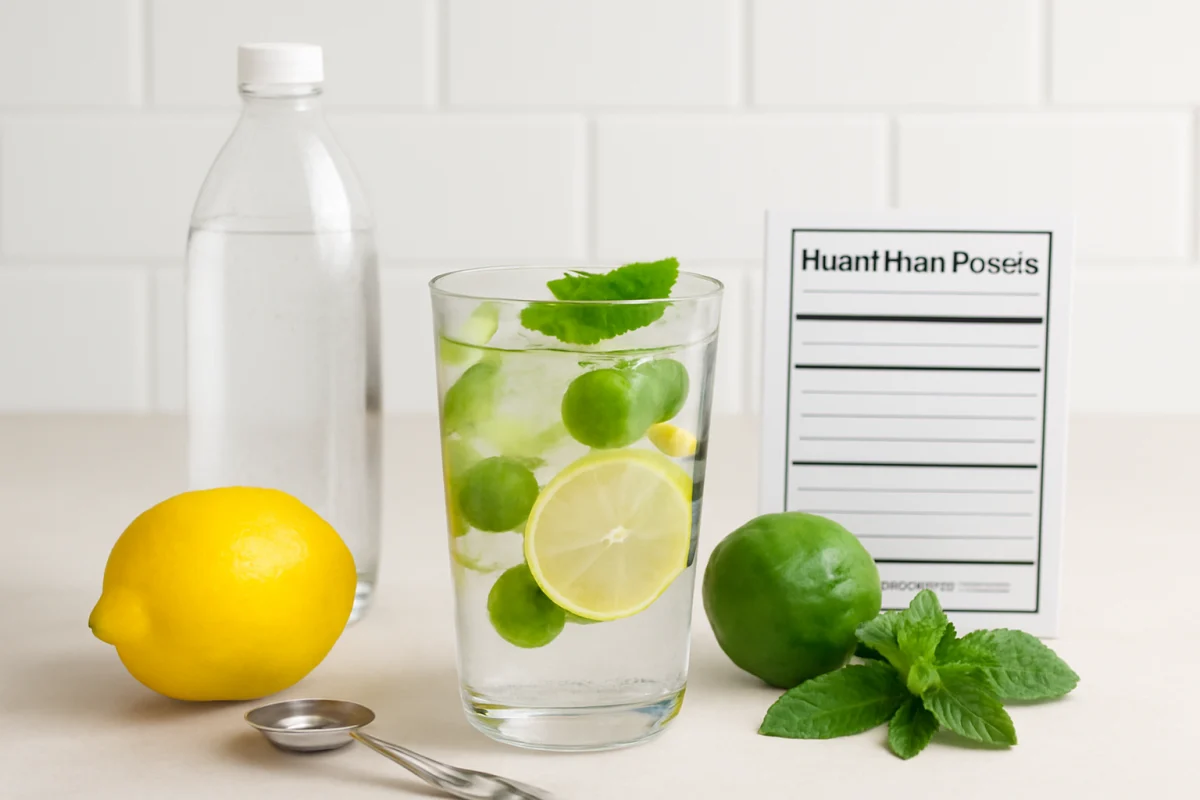
To read a Nutrition Facts label without getting confused, start with the serving size, check how many servings are in the container, and then compare added sugars, sodium, and the ingredient list. A simple homemade drink can make those details easier to understand. This lower-sugar citrus mint spritzer uses sparkling water, fresh citrus, mint, and an optional small amount of sweetener, so you can adjust the flavor without relying on a packaged beverage’s serving information. For more recipes and practical drink guidance, visit natural cleanse drinks.
This recipe is not a detox treatment, a meal replacement, or a guaranteed weight-loss drink. It is simply a refreshing option for people who want to practice reading labels and make a drink with clearly defined ingredients. For more practical ingredient guidance, visit the Drink & Ingredient Guides section.
Why This Citrus Mint Spritzer Is Worth Trying
Packaged flavored waters, juices, sodas, energy drinks, and ready-to-drink teas can vary widely in serving size, added sugar, sodium, and sweeteners. Some containers hold one serving, while others contain two or more. If you drink the entire bottle, you may consume more than the front label suggests unless you first check the Nutrition Facts panel.
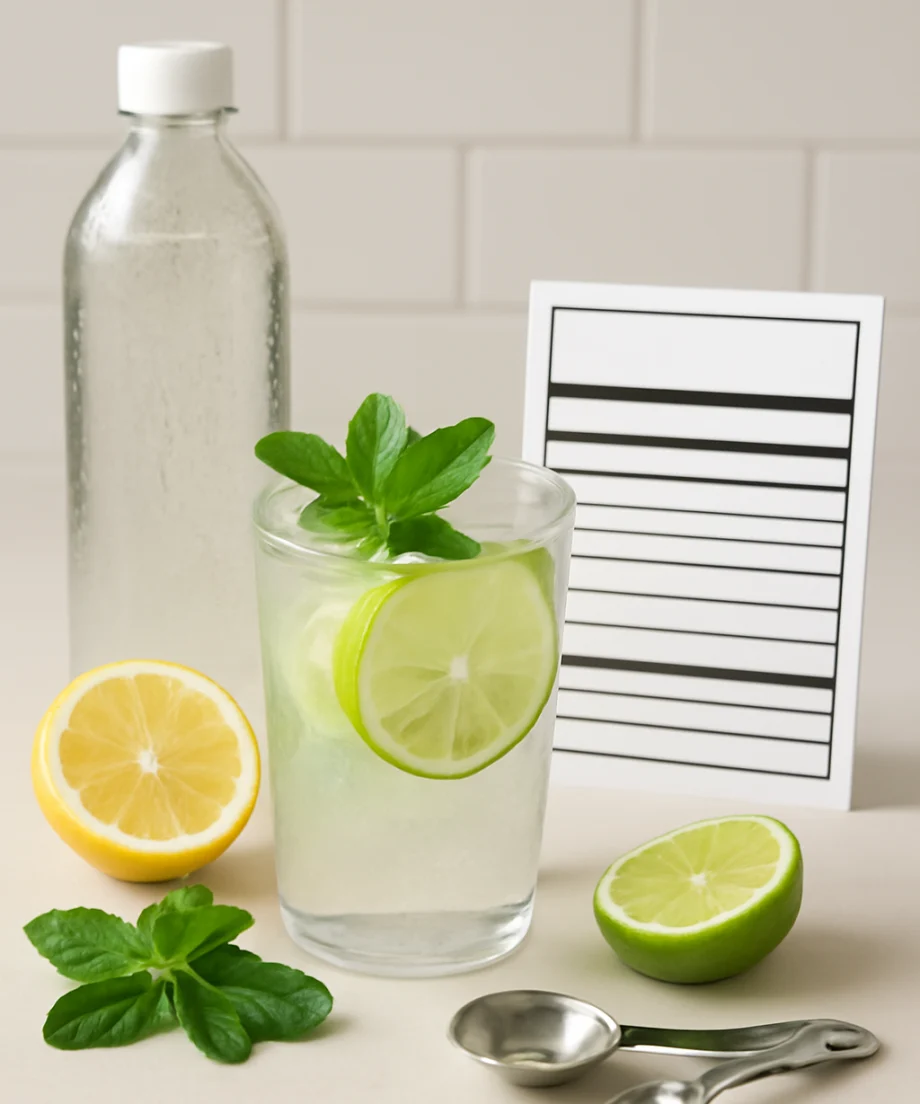
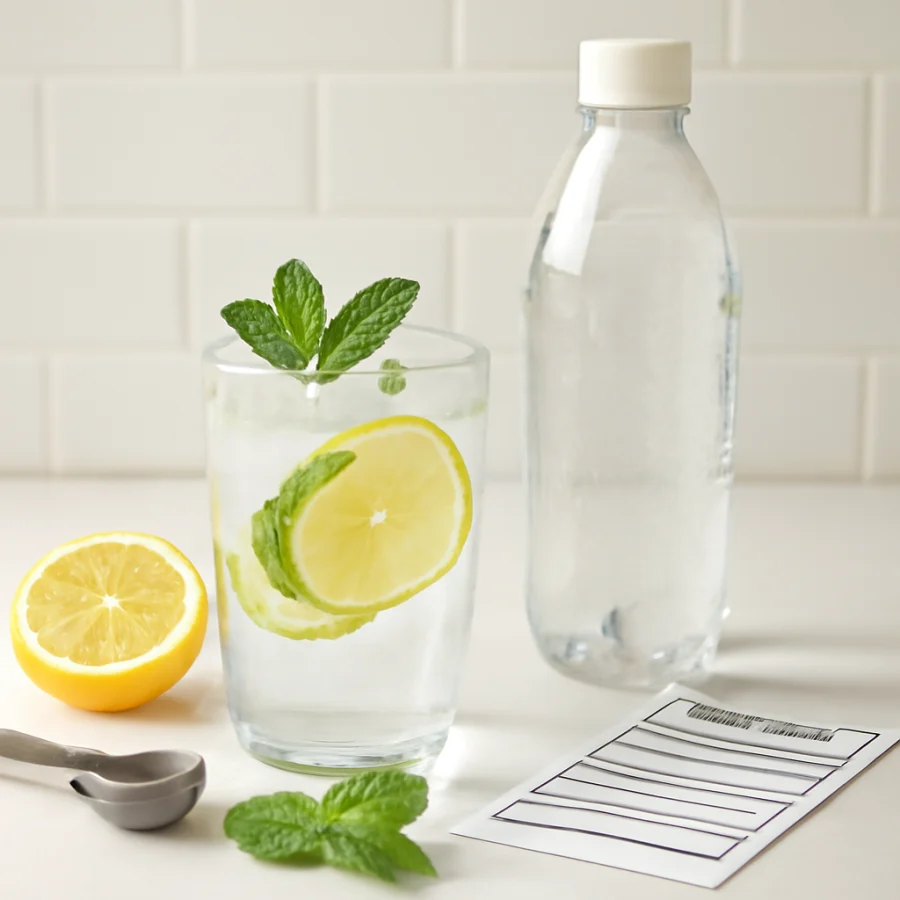
This citrus mint spritzer gives you a hands-on way to compare a homemade drink with packaged choices. Unsweetened sparkling water contributes no added sugar, while fresh lemon, lime, or orange adds flavor. A measured teaspoon of honey or another sweetener is optional and makes it easier to see how a small ingredient change affects the recipe.
How to Read a Nutrition Facts Label
1. Begin with serving size
The serving size appears at the top of the Nutrition Facts label. It may be listed in familiar measurements, such as cups or pieces, along with a gram amount. The serving size is not a recommended amount to eat or drink; it is the standard amount used for the information that follows.
Next, look at the number of servings per container. If a bottle has two servings and you drink the entire bottle, you generally need to double the calories, total sugar, added sugar, sodium, and other listed values. Some products may also display additional information for the whole package, but do not assume that every label does.
2. Compare calories with the amount you actually consume
Calories are listed per serving unless the label clearly says otherwise. Compare that number with the portion you plan to drink. A large bottle may look modest when viewed only by the serving, but the total can be different if the bottle contains multiple servings.
Calories are one part of the label, not a complete measure of a drink’s quality. For beverages, also consider added sugars, sodium, caffeine when listed, and the ingredients used to create flavor and sweetness.
3. Separate total sugars from added sugars
Total sugars include naturally occurring sugars and added sugars. For example, milk contains naturally occurring lactose, while fruit contains naturally occurring sugars. Added sugars are put into a food or drink during processing or preparation. The label lists added sugars in grams and also shows a Percent Daily Value.
Ingredients such as sugar, corn syrup, honey, agave, fruit juice concentrate, and some syrups can contribute to added sugar. The ingredient list does not necessarily show the exact amount of each ingredient, but ingredients are generally listed by weight from most to least at the time the product is made.
For this spritzer, honey is optional. If you use it, measure it rather than pouring freely. That small habit helps you understand how sweetener changes the drink and prevents an unmeasured amount from quietly becoming several teaspoons.
4. Check sodium and other nutrients that matter to you
Sodium can be easy to overlook in beverages, especially flavored waters, drink mixes, sports drinks, broths, and vegetable-based drinks. Compare the milligrams per serving with the number of servings you will consume. If you have been advised by a qualified health professional to monitor sodium or another nutrient, use current label information and follow that professional guidance.
The Percent Daily Value can help you compare products, but it is based on general daily reference values and may not match every person’s needs. Use it as a comparison tool rather than as an individualized nutrition plan.
5. Read the ingredient list after reviewing the panel
The Nutrition Facts panel tells you how much of certain nutrients a serving contains. The ingredient list tells you what the product is made from. Look for the main sweeteners, fruit ingredients, acids, flavorings, colors, preservatives, and any ingredients you need to avoid.
Words such as “natural,” “light,” or “fruit-flavored” do not replace a careful review of the label. Product formulas and package information can change, so verify the current label or manufacturer information when selecting a packaged drink.
Lower-Sugar Citrus Mint Spritzer Recipe
Preparation time: 10 minutes
Total time: 10 minutes
Servings: 2
Ingredients
- 2 cups chilled plain sparkling water
- 1 medium lemon
- 1 small lime
- 1 tablespoon fresh orange juice, optional
- 8 to 10 fresh mint leaves, plus extra for serving
- 1 to 2 teaspoons honey, optional
- 1 cup ice
- 2 thin citrus slices for garnish, optional
Instructions
- Wash the lemon, lime, orange if using, and mint under cool running water. Dry the produce with a clean towel.
- Cut the lemon and lime in half. Squeeze enough juice to produce about 2 tablespoons lemon juice and 1 tablespoon lime juice. Remove visible seeds.
- Place the citrus juices, optional orange juice, mint leaves, and honey in a small pitcher. Gently press the mint with the back of a spoon to release aroma. Avoid crushing it into a paste, which can make the drink taste bitter.
- Add the ice and chilled sparkling water. Stir slowly once or twice so the drink stays fizzy.
- Taste the spritzer. Add another teaspoon of citrus juice for more tartness or a small amount of honey for more sweetness. Stir gently after any adjustment.
- Pour into two glasses and garnish with citrus slices and fresh mint. Serve immediately.
Ingredient Alternatives and Flavor Adjustments
You can use club soda instead of sparkling water, but check the label if sodium is important to you because some carbonated waters differ in sodium content. Still water also works, although the finished drink will not have the same fizzy texture.
For a different citrus profile, replace the lemon and lime with orange and grapefruit. Grapefruit can interact with certain medications, so ask a pharmacist or other qualified health professional whether grapefruit is appropriate for you. Cucumber ribbons, sliced strawberries, basil, or rosemary can provide additional flavor without requiring a packaged syrup.
If you prefer not to use honey, leave it out or use another sweetener that fits your preferences and dietary needs. Check the product label for any packaged sweetener, especially if you are comparing serving sizes or trying to identify added sugars. Because sweetener preferences vary, add a small measured amount at a time.
Helpful Serving and Preparation Tips
- Chill the sparkling water and citrus before mixing. Colder ingredients help the drink stay refreshing without quickly diluting it.
- Add the carbonated water last and stir gently. Vigorous stirring can cause the drink to lose carbonation.
- Use a measuring spoon for honey or syrup so you know exactly how much was added.
- For a party, prepare the citrus and mint mixture ahead of time, but add the sparkling water just before serving.
- If you are comparing this recipe with packaged beverages, write down the serving size, servings per container, added sugars, sodium, and main sweeteners for each product.
Storage and Food Safety
For the best flavor and carbonation, drink the spritzer soon after preparation. If you need to store leftovers, place them in a clean, covered container in the refrigerator and use them promptly. The drink will lose fizz over time, especially after pouring.
Do not leave the prepared drink or cut citrus at room temperature for extended periods. Keep perishable ingredients chilled, use clean utensils, and avoid returning used garnishes to the pitcher. For broader guidance, see the Food Safety & Storage resources. When in doubt about storage times or handling, follow reliable, current food-safety guidance from government or public-health sources.
Frequently Asked Questions
Does this recipe have a Nutrition Facts label?
A homemade recipe does not automatically come with a standardized Nutrition Facts panel. Its nutrition information depends on the exact ingredients, measurements, brands, and serving sizes used. If you need precise information for a medical or dietary reason, calculate it from the current labels of packaged ingredients or consult a qualified nutrition professional.
Is sparkling water the same as soda?
Not necessarily. Plain sparkling water is carbonated water without added sugar, while soda commonly contains sweeteners and flavorings. Always read the package because products sold in similar-looking containers can have different ingredients and nutrition information.
How can I tell whether a bottled drink is high in added sugar?
Check the serving size first, then look at added sugars in grams and the number of servings in the container. Multiply the per-serving amount by the number of servings you plan to consume. Review the ingredient list for added sweeteners as well.
Can I make the spritzer in advance?
You can combine the citrus juice, mint, and optional honey a few hours ahead and refrigerate the mixture in a covered container. Add ice and sparkling water immediately before serving for better carbonation and flavor.
A Clearer Way to Compare Drinks
Reading a Nutrition Facts label becomes more manageable when you follow the same order every time: serving size, servings per container, calories, added sugars, sodium, and ingredients. Then compare those details with what you actually plan to consume. This citrus mint spritzer offers a simple practice example because each ingredient can be measured and adjusted at home. For more recipe ideas, explore the Drink Recipes collection.

Comments
0No comments yet. Be the first to share a helpful note or question.
Leave a Comment
Your email address will not be published. Comments are reviewed before appearing on the site.