

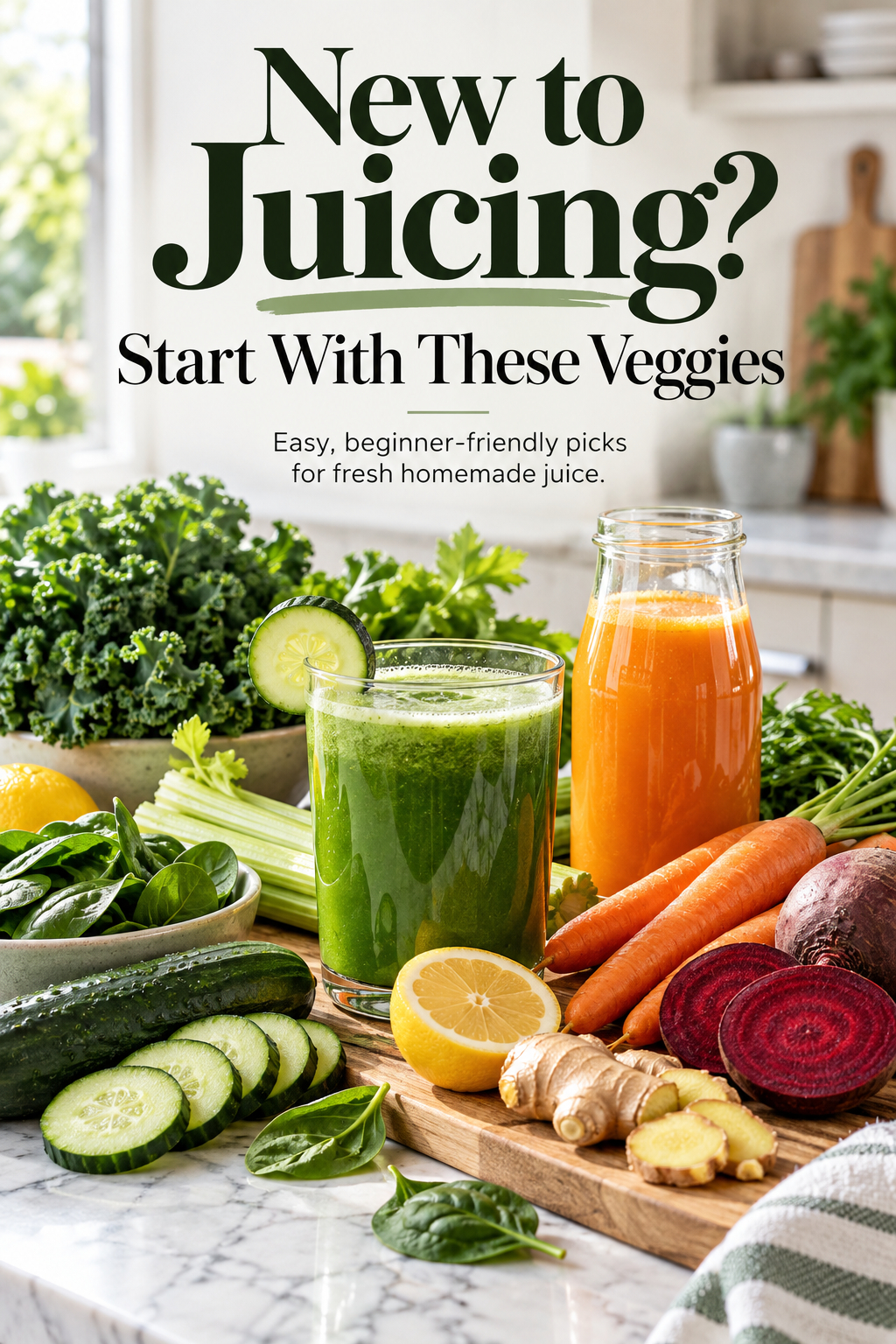
The best veggies for beginner juice recipes are mild, juicy, and easy to prepare. Cucumber, carrot, celery, and romaine lettuce make a practical starting combination because they offer different flavors without requiring advanced juicing skills. Add lemon for brightness and a small piece of ginger if you enjoy a little spice. For more recipes and practical drink guidance, visit detox water recipes.
This fresh vegetable juice is worth trying when you want to learn how individual ingredients affect flavor, texture, and color. It is not a detox treatment, a cure, or a replacement for balanced meals. Juicing also removes much of the fiber found in whole produce, so consider enjoying this drink alongside a meal or snack that includes fiber and protein.
Beginner Vegetable Juice at a Glance
- Prep time: 15 minutes
- Total time: 20 minutes
- Servings: 2 small servings, about 8 ounces each
- Method: Juicer or blender with a fine-mesh strainer
- Flavor: Mild, fresh, lightly sweet, and citrusy
Ingredients
- 1 medium cucumber, about 8 ounces, washed and cut into pieces that fit your juicer
- 3 medium carrots, about 6 ounces total, washed, trimmed, and cut into pieces
- 2 celery stalks, washed and cut into short pieces
- 3 large romaine lettuce leaves, washed and torn into smaller pieces
- 1/2 lemon, peeled and seeded
- 1/2-inch piece of fresh ginger, peeled, optional
- 1/2 cup cold water, only if using a blender
- Ice for serving, optional
Why These Are the Best Veggies for Beginner Juice Recipes
Cucumber
Cucumber contains plenty of water and has a clean, gentle taste. It helps make a vegetable juice feel lighter and can soften stronger flavors from celery or leafy greens. English cucumbers are convenient because they usually have thin skin and small seeds, but standard cucumbers also work. Wash either type well before cutting.
Carrots
Carrots contribute natural sweetness and a bright orange color. They are often easier for beginners to enjoy than strongly bitter greens. Scrub carrots under running water and trim the ends. Peeling is optional when the surface is clean and firm, although peeling may produce a smoother-looking juice.
Celery
Celery adds a crisp, savory flavor. Because its taste can become dominant, two stalks are enough for this recipe. If you are sensitive to celery’s pronounced flavor, use one stalk at first and increase it later. Cut celery into shorter sections if the strings tend to wrap around your juicer’s moving parts.
Romaine Lettuce
Romaine is a mild leafy green that is generally easier to blend into a beginner recipe than more assertive greens. Separate the leaves, rinse them carefully, and dry them if they are very wet. Leafy greens can be fed through a juicer between firmer ingredients, which may help move the leaves through the machine.
Lemon and Ginger
Lemon gives the juice acidity and helps balance the earthy notes of carrots and greens. Ginger is optional because its heat can be noticeable even in a small amount. Start with less than you think you need; you can add more after tasting if your equipment allows it, or blend a small amount into the finished drink.
How to Make This Beginner Vegetable Juice
- Wash your hands and equipment. Clean your hands, cutting board, knife, juicer parts, or blender jar before beginning. Wash all produce under cool running water, even if you plan to peel it. Do not use soap or household cleaners on fruits and vegetables.
- Prepare the produce. Remove damaged areas, trim the carrot and celery ends, peel the lemon, and cut the ingredients into pieces suited to your equipment. Check your juicer’s instructions for the recommended size and whether lemon peel should be removed.
- Juice the firm ingredients first. Run the cucumber, carrots, and celery through the juicer. Follow with the romaine leaves, lemon, and ginger. Alternating firm produce with leafy ingredients may help the machine process everything more smoothly.
- Stir and taste. Pour the juice into a pitcher and stir. Taste before adding ice. If it is too earthy, add a little more lemon. If the flavor is too sharp, add more cucumber or a small amount of water. Avoid adding sweeteners unless you have a specific reason to use one.
- Serve promptly. Pour into two glasses and serve cold, with ice if desired. Stir again immediately before drinking because fresh juice naturally separates.
Blender Method Without a Juicer
A blender can make a drink from the same ingredients, although the result will be thicker and may retain more pulp. Add the cucumber, carrots, celery, romaine, lemon, ginger, and 1/2 cup cold water to the blender. Blend until as smooth as possible. For a thinner drink, pour the mixture through a fine-mesh strainer over a bowl or pitcher and press gently with a spoon.
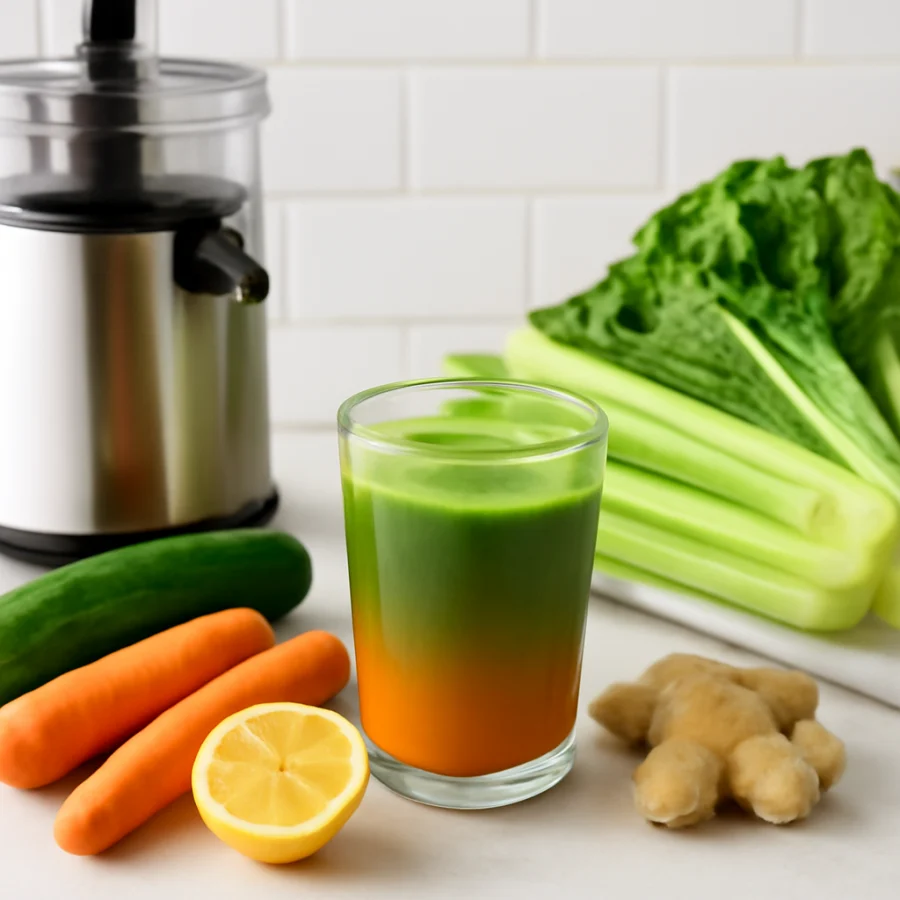
Straining removes some of the fiber and produces a texture closer to juice. Leaving the pulp in creates a thicker vegetable drink and may make it more filling. Neither method is automatically better; choose the texture you enjoy and the approach that fits your equipment.
Helpful Tips for Better Flavor and Texture
- Start with mild proportions. Use more cucumber and carrot than celery or ginger when you are learning what flavors you prefer.
- Chill ingredients first. Cold produce can make the finished drink more refreshing without requiring much ice.
- Do not overload the machine. Feed produce gradually and use the pusher only as directed by the manufacturer.
- Use a citrus adjustment. Lemon can vary in size and tartness. Add part of it first, then adjust after tasting.
- Keep the pulp. If you strain the drink, save the pulp for a cooked vegetable mixture, soup, or compost if appropriate. Do not leave produce pulp at room temperature for extended periods.
- Clean equipment immediately. Vegetable fibers and pulp are easier to remove before they dry onto screens, blades, and seals.
Ingredient Alternatives
If you do not have every ingredient, simple substitutions can keep the recipe beginner-friendly. Replace romaine with a small handful of spinach for a softer leafy-green flavor. Use zucchini instead of cucumber for a mild, watery base, although its flavor will be slightly more neutral. A peeled yellow bell pepper can add a fresh, lightly sweet note without making the drink spicy.
For a more savory version, replace one carrot with a small tomato if your juicer handles tomatoes well. For a brighter version, add a few mint leaves. Use herbs sparingly at first because their flavor can quickly dominate a small batch. If you want additional sweetness, a small apple can be added, but remember that it changes the recipe from a mostly vegetable juice to a fruit-and-vegetable juice.
Serving Suggestions and Realistic Limitations
Serve this juice with breakfast, lunch, or a snack rather than treating it as your only source of nutrition. Pairing it with whole-grain toast and eggs, plain yogurt with nuts, beans and a grain, or another balanced option can provide nutrients that juice alone does not supply. If you are watching your sugar intake or managing a medical condition, consider the amount of carrot and any added fruit in the context of your overall eating pattern, and ask a qualified health professional for individualized guidance.
Fresh juice can be convenient, but it is not a shortcut to remove toxins or guarantee weight loss. The body has its own organs and systems for processing substances, and a vegetable drink does not replace sleep, regular meals, hydration, or medical care. Beginners may also notice that juice tastes different from day to day because produce varies in size, ripeness, and water content.
Storage and Food Safety
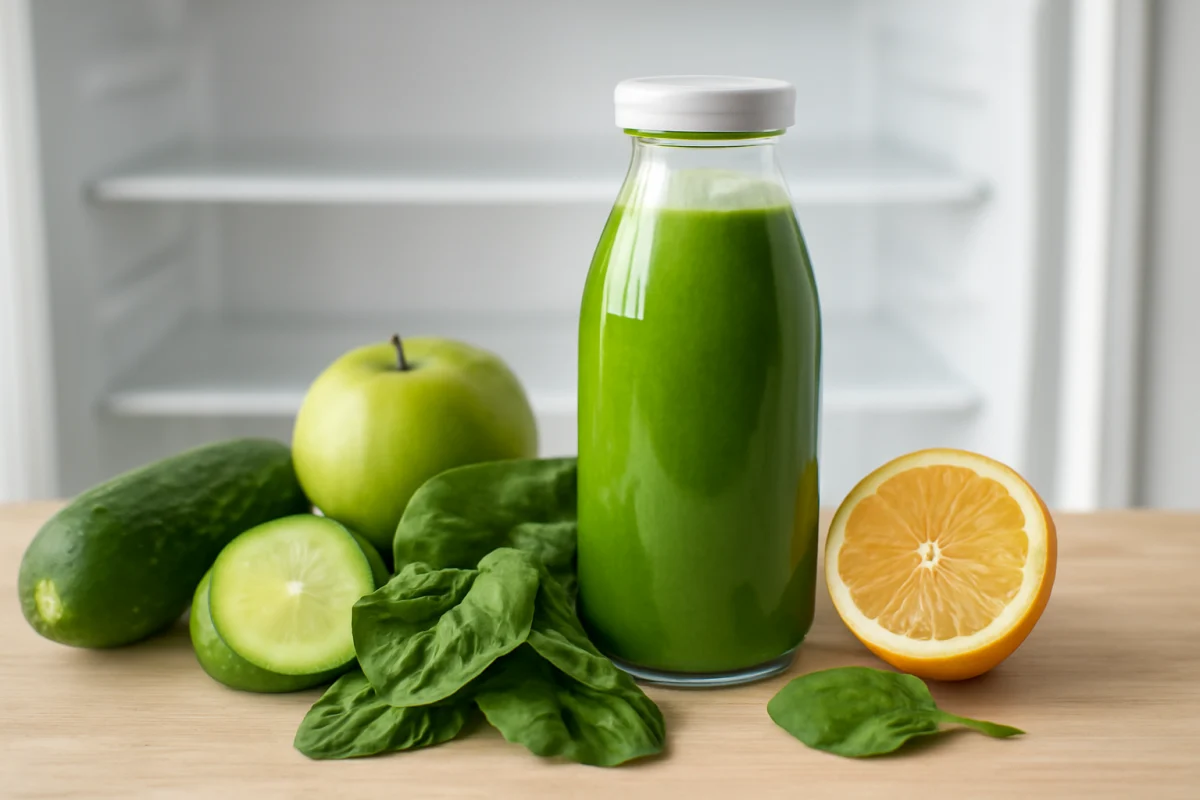
Fresh juice is best consumed soon after preparation. If you need to store it, transfer it immediately to a clean, covered container and refrigerate it at 40°F or below. Leave as little air space as practical, and use it as soon as possible, preferably within 24 hours. Shake or stir before serving because separation is normal.
Do not leave fresh juice at room temperature for more than two hours, or more than one hour when the surrounding temperature is above 90°F. Discard juice that has been left out too long, smells fermented, develops an unusual appearance, or otherwise seems unsafe. Keep raw produce and juice away from raw meat, poultry, and seafood. For more general guidance, review the site’s Food Safety & Storage resources and follow current advice from reliable food-safety authorities.
Frequently Asked Questions
What vegetables are easiest for a first homemade juice?
Cucumber, carrots, celery, and romaine are useful starting choices because they are widely available and offer a mix of mild, sweet, crisp, and leafy flavors. Begin with small batches so you can adjust the proportions without wasting ingredients.
Should I peel the vegetables?
Peeling is not always necessary for clean, firm cucumbers and carrots, but you should remove lemon peel, damaged areas, and any tough or spoiled sections. Wash produce thoroughly under running water before cutting. Follow your machine’s instructions for preparation.
Can I make this recipe ahead of time?
It is better fresh, but you can refrigerate it promptly in a clean, covered container for short-term storage. Stir or shake before drinking, and discard it if it has been held at an unsafe temperature or shows signs of spoilage.
Is vegetable juice a substitute for eating vegetables?
No. Juicing can be one way to enjoy produce, but it removes much of the fiber and does not provide the same eating experience as whole vegetables. Keep whole fruits and vegetables in your regular eating pattern.
What if I do not like the celery flavor?
Use one celery stalk instead of two, then add more cucumber or romaine. You can also replace some celery with zucchini. Taste the juice before making a larger batch so you can adjust it to your preference.
Make the Recipe Your Own
This recipe gives beginners a straightforward way to compare the flavors of common juicing vegetables. Start with the listed amounts, take notes on what you enjoy, and adjust one ingredient at a time. Once you are comfortable with the basics, explore more ideas in the Juicing & Blending section or browse additional drink recipes. The goal is a fresh, enjoyable beverage made safely—not an extreme cleanse or a substitute for a varied diet.


Comments
0No comments yet. Be the first to share a helpful note or question.
Leave a Comment
Your email address will not be published. Comments are reviewed before appearing on the site.