
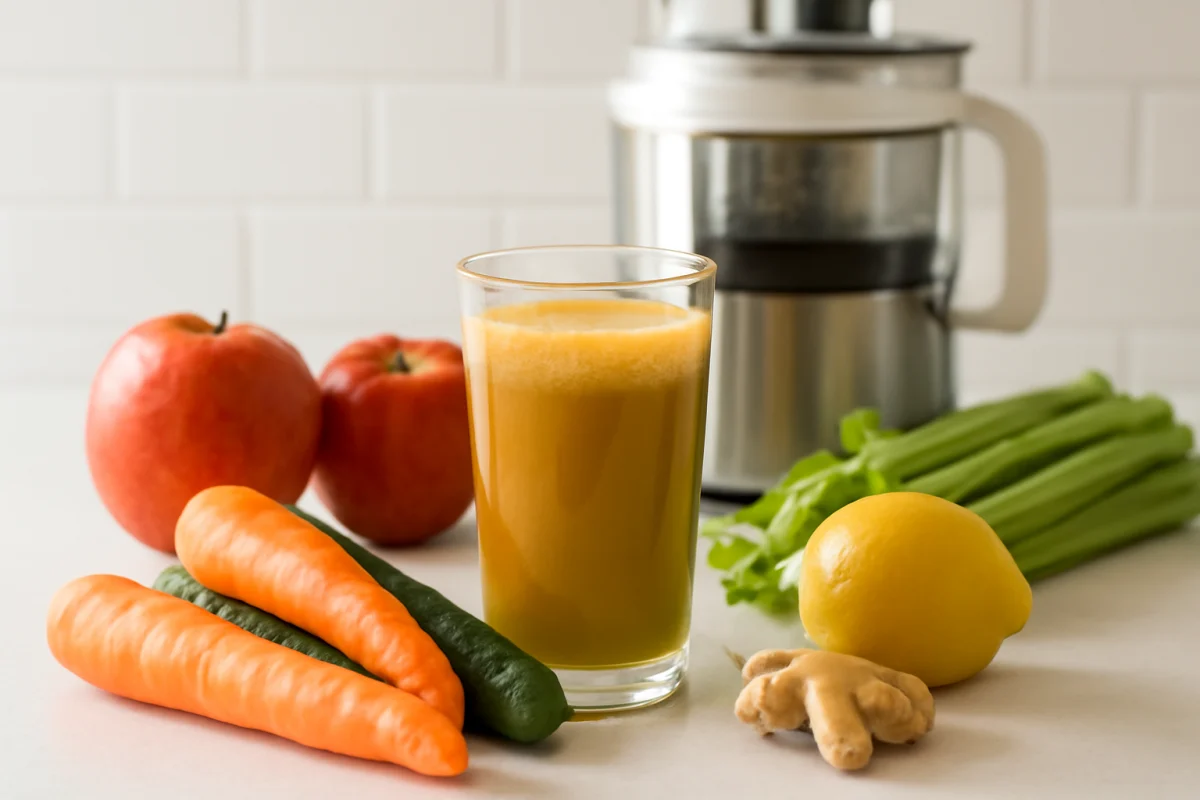
The best fruits and vegetables to combine in a beginner-friendly juice are apples, carrots, cucumber, celery, lemon, and a small amount of ginger. This combination creates a fresh, lightly sweet drink with a bright citrus flavor and a smooth introduction to homemade juicing. It is simple enough for first-time juicers, flexible enough for substitutions, and made with familiar produce that is easy to prepare. For more recipes and practical drink guidance, visit detox drink ideas.
This juice is not a replacement for balanced meals, and it does not remove toxins, treat illness, or guarantee weight loss. Instead, it is a practical way to enjoy the flavor of several fruits and vegetables in one glass. If you are new to juicing, this recipe gives you a dependable starting point without relying on complicated ingredients or an overly intense flavor.
Beginner-Friendly Apple, Carrot, Cucumber, and Celery Juice
Prep time: 15 minutes
Total time: 20 minutes
Servings: 2 cups
Ingredients
- 2 medium apples, such as Gala, Fuji, or Honeycrisp
- 3 medium carrots, scrubbed and trimmed
- 1 medium cucumber
- 2 celery stalks
- 1/2 lemon, peeled
- 1/2-inch piece of fresh ginger, peeled
- 1/2 cup cold water, optional for blending
- Ice, optional for serving
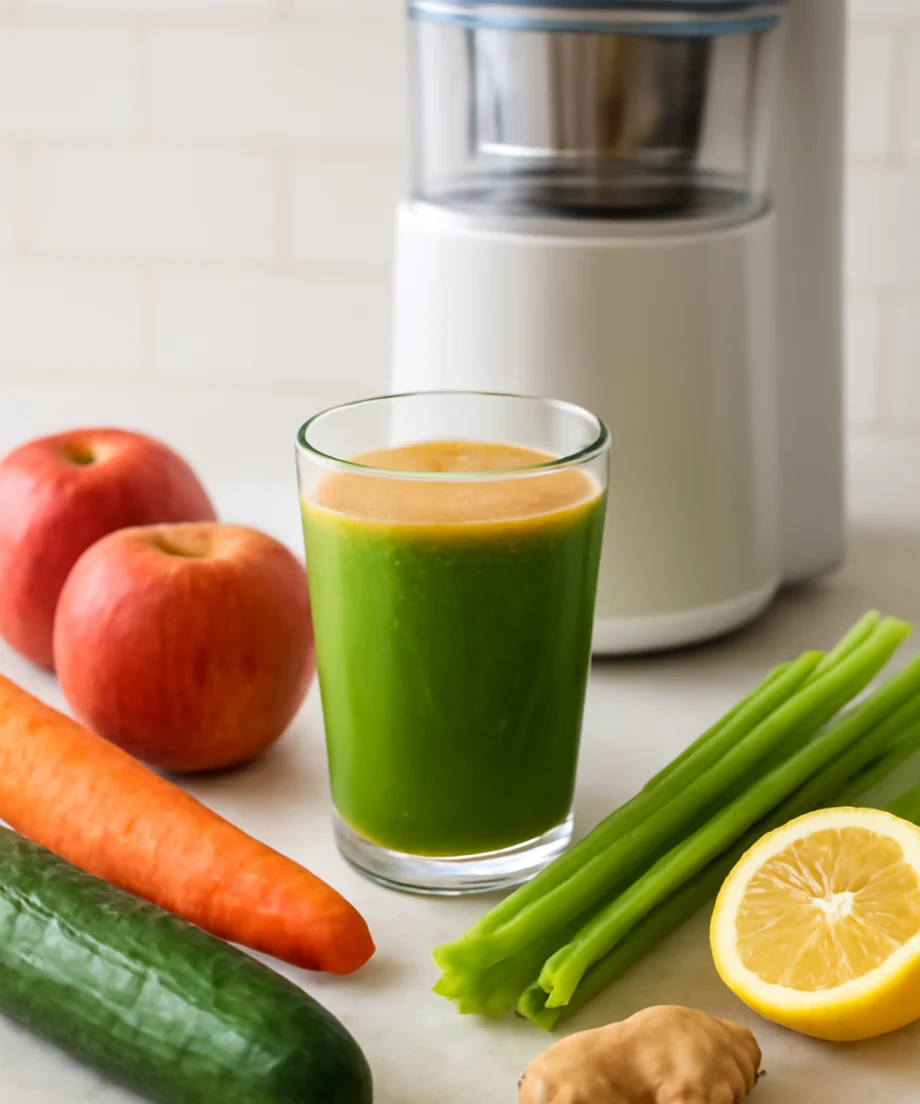
Choose firm, fresh produce without mold, deep bruises, or unpleasant odors. The apples add sweetness and body, carrots provide an earthy flavor, cucumber contributes water and freshness, celery adds a savory note, and lemon and ginger keep the finished drink lively. Since the recipe uses whole produce, wash everything carefully before cutting or juicing.
How to Make the Juice
- Wash the produce. Rinse the apples, carrots, cucumber, and celery under cool running water. Rub firm produce with clean hands or a produce brush. Wash the lemon and ginger before peeling them. Do not use soap or detergent on fruits and vegetables.
- Prepare the ingredients. Remove the apple stems and cut the apples into pieces that fit your juicer chute. Trim the carrots and celery. Cut the cucumber into sections if necessary. Peel the lemon and ginger to avoid a bitter or fibrous result.
- Juice the ingredients. Feed the produce through a clean juicer according to the appliance manufacturer's instructions. Alternate softer ingredients, such as cucumber and apple, with firmer ingredients, such as carrots and celery. This can help move pulp through some juicers.
- Stir and taste. Stir the juice in a pitcher. If the flavor is too earthy, add a little more lemon. If it is too sharp, add another piece of apple. Make small adjustments rather than adding a large amount of one ingredient at once.
- Serve promptly. Pour the juice over ice if desired and enjoy it soon after preparation. Stir again before drinking because natural separation is normal.
Blender Method Without a Juicer
You can make a similar drink with a high-speed blender, although the texture will be thicker and more pulpy. Chop the apples, carrots, cucumber, and celery into small pieces. Add them to the blender with the lemon, ginger, and 1/2 cup of cold water. Blend until the mixture is as smooth as your appliance allows.
For a thinner drink, pour the mixture through a fine-mesh strainer or a clean nut-milk bag over a bowl. Press gently with a spoon or clean hands to release liquid, but avoid forcing every bit of pulp through if you prefer a smoother texture. The leftover pulp can be composted or added to a soup, sauce, or baked recipe when appropriate.
Blending keeps more of the produce's fiber in the drink than straining. Juicing removes much of the fiber, so consider how the texture fits your routine. Neither method makes the beverage a complete meal, and the drink is best viewed as one part of an overall eating pattern.
Why These Ingredients Work Together
Apples
Apples provide natural sweetness and help soften the stronger flavors of celery, carrot, ginger, and lemon. A sweeter apple makes the recipe more approachable for beginners. A tart apple creates a sharper, more refreshing drink.
Carrots
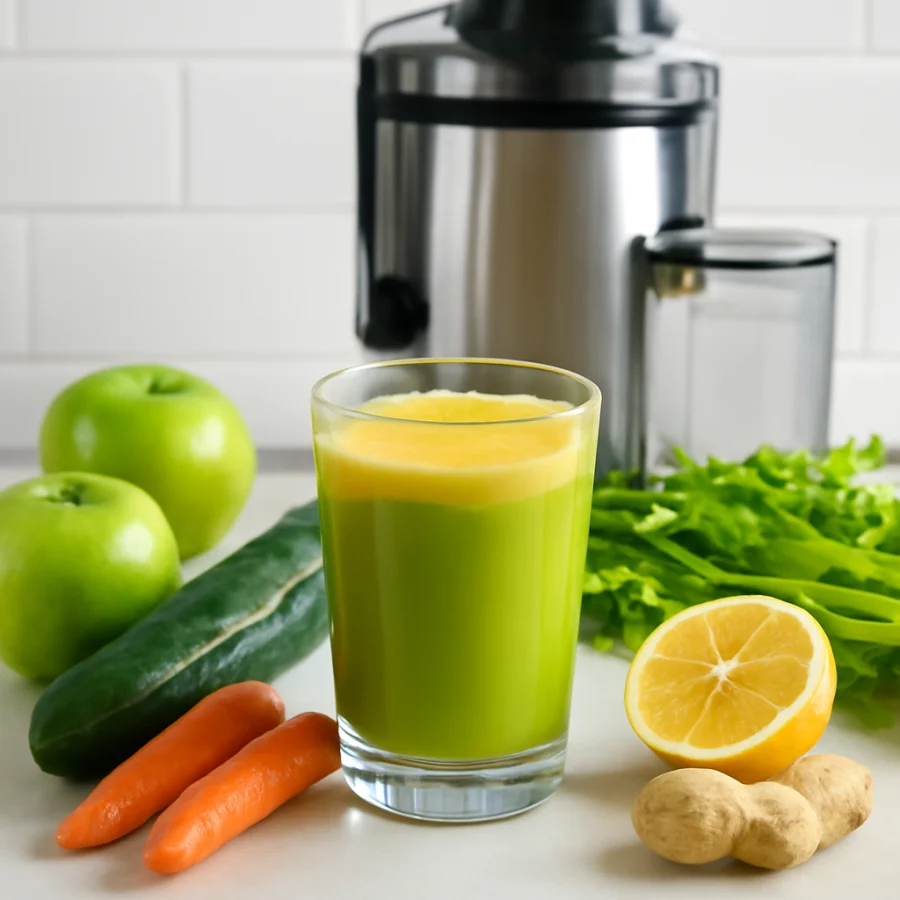
Carrots give the juice a gentle earthy flavor and an attractive orange color. Scrubbing is usually enough for clean carrots, although peeling is also an option if the skin is rough or heavily marked.
Cucumber
Cucumber adds a clean, watery character that keeps the juice from feeling too heavy. English cucumber works well, but a standard cucumber is also suitable. If the cucumber has a thick, waxy skin, peeling it can produce a milder texture.
Celery
Celery contributes a savory, herbal flavor. Because it can become dominant, begin with two stalks. If you enjoy its taste, you can increase the amount in a future batch.
Lemon and ginger
Lemon brightens the drink, while ginger adds warmth and spice. Both are strong flavors, so modest amounts are best for a first attempt. You can leave out ginger if you prefer a milder juice or use a small pinch of ground ginger when fresh ginger is unavailable, although the flavor will be different.
Helpful Ingredient Alternatives
Juicing works best when you treat a recipe as a starting point. Pears can replace apples for a soft, floral sweetness. Romaine lettuce can replace some of the celery for a milder green note. Zucchini can stand in for cucumber, while oranges can replace lemon if you peel them thoroughly and want a sweeter citrus flavor.
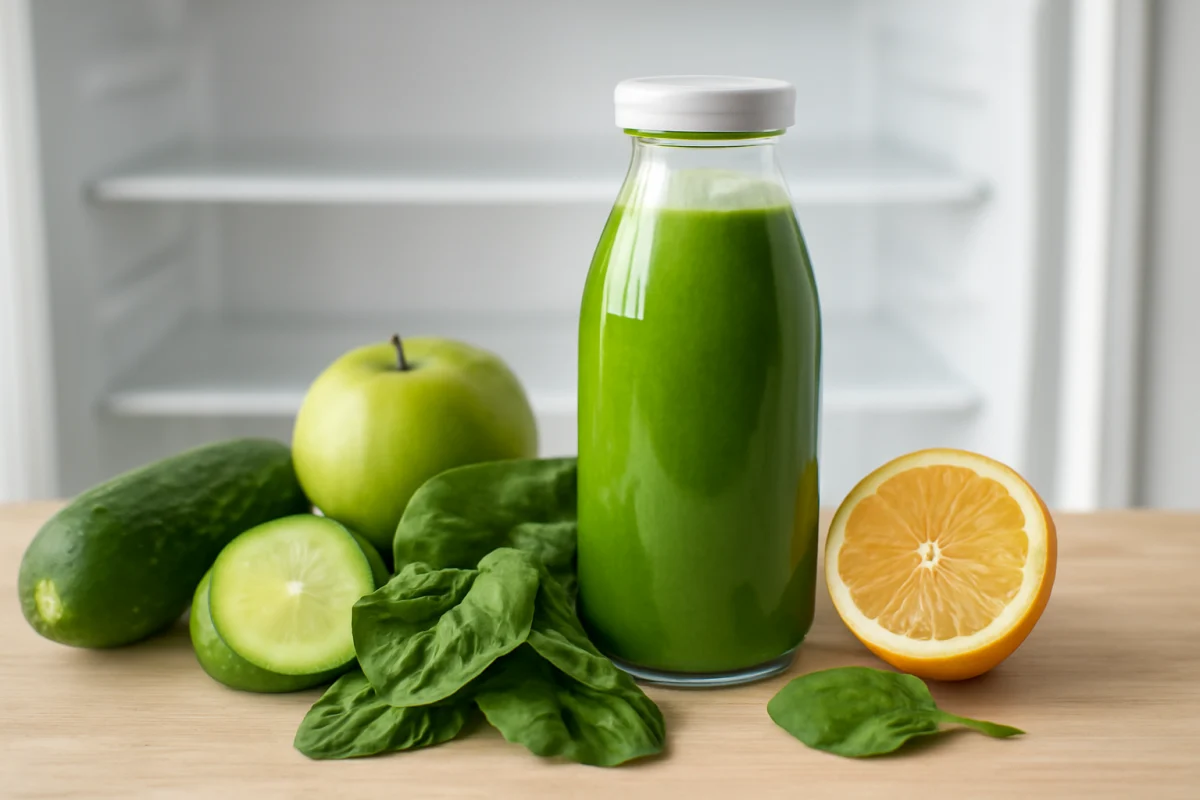
For a greener version, replace one apple with a handful of spinach or a few leaves of kale. Start with a small amount because leafy greens can taste intense when juiced. For a more tart drink, add a few cranberries or an additional squeeze of lemon. If you want more spice, increase the ginger gradually rather than adding a large piece all at once.
Do not add raw, unpasteurized animal products, and avoid using damaged produce. If you use packaged ingredients, check the current label for storage instructions, allergens, and pasteurization information.
Tips for Better Flavor and Texture
- Chill the produce before preparing the juice for a naturally cold drink.
- Use a sharp knife and cut ingredients to the size recommended in your juicer manual.
- Remove apple seeds and hard cores when your appliance instructions call for it.
- Strain only as much as needed. A small amount of pulp adds texture and can make the drink feel more substantial.
- Keep lemon and ginger amounts modest until you know your preferred flavor balance.
- Stir the finished juice before serving because ingredients can separate quickly.
- Clean the juicer or blender soon after use so pulp does not dry in screens, blades, or seals.
Serving Suggestions
Serve the juice in a small glass alongside breakfast or a snack rather than using it as a substitute for a full meal. It pairs well with foods that provide protein, fat, and additional fiber, such as plain yogurt with oats, whole-grain toast with nut butter, or a vegetable-and-egg breakfast. If you are serving several people, pour the juice into individual glasses immediately after stirring.
A few cucumber ribbons, a thin apple slice, or a small lemon wedge can make the drink look appealing without changing its flavor significantly. Remove garnishes before storing leftovers, since cut produce can affect freshness.
Storage and Food Safety
Fresh juice is perishable. Pour leftovers into a clean, covered container and refrigerate them promptly. For the best flavor and quality, drink homemade juice as soon as possible, preferably the same day. Do not leave it at room temperature for extended periods, and discard it if it develops an unusual smell, appearance, or taste.
Wash hands, utensils, cutting boards, and appliance parts before and after preparation. Keep raw produce away from foods that are ready to eat, and follow current guidance from reliable food-safety authorities for refrigerated storage. Homemade juice is generally not pasteurized, so it may carry more food-safety risk than a commercially processed beverage. People who are pregnant, very young, older, or immunocompromised may need to take extra care with unpasteurized drinks and should ask a qualified health professional about their individual situation.
Frequently Asked Questions
Can beginners make this juice without a juicer?
Yes. Use a blender with cold water, then strain the mixture if you want a thinner beverage. The final drink will usually contain more pulp than juice made with a dedicated juicer.
Is it necessary to peel the apples, carrots, or cucumber?
No, but wash them thoroughly first. Peeling can improve texture or flavor when the skin is tough, waxy, or damaged. Always remove spoiled portions and follow your appliance's preparation instructions.
Can I make the juice less sweet?
Reduce the apples and add more cucumber or celery. You can also include a small amount of leafy greens. Adjust gradually because reducing the apple will make the lemon, ginger, and celery more noticeable.
How often should I drink homemade juice?
There is no universal schedule you need to follow. Enjoy it as an optional beverage within a varied eating pattern, and do not rely on juice alone for nourishment or hydration. Water and whole fruits and vegetables can also be part of everyday choices.
What is the most important beginner tip?
Start with familiar ingredients and a small batch. The best fruits and vegetables to combine in a beginner-friendly juice are the ones whose flavors you enjoy and can prepare safely. Once you know the basic balance, change only one ingredient at a time so you can identify what improves the recipe.
For more recipe ideas, browse the site's juicing and blending guides or review practical food safety and storage guidance.


Comments
0No comments yet. Be the first to share a helpful note or question.
Leave a Comment
Your email address will not be published. Comments are reviewed before appearing on the site.