
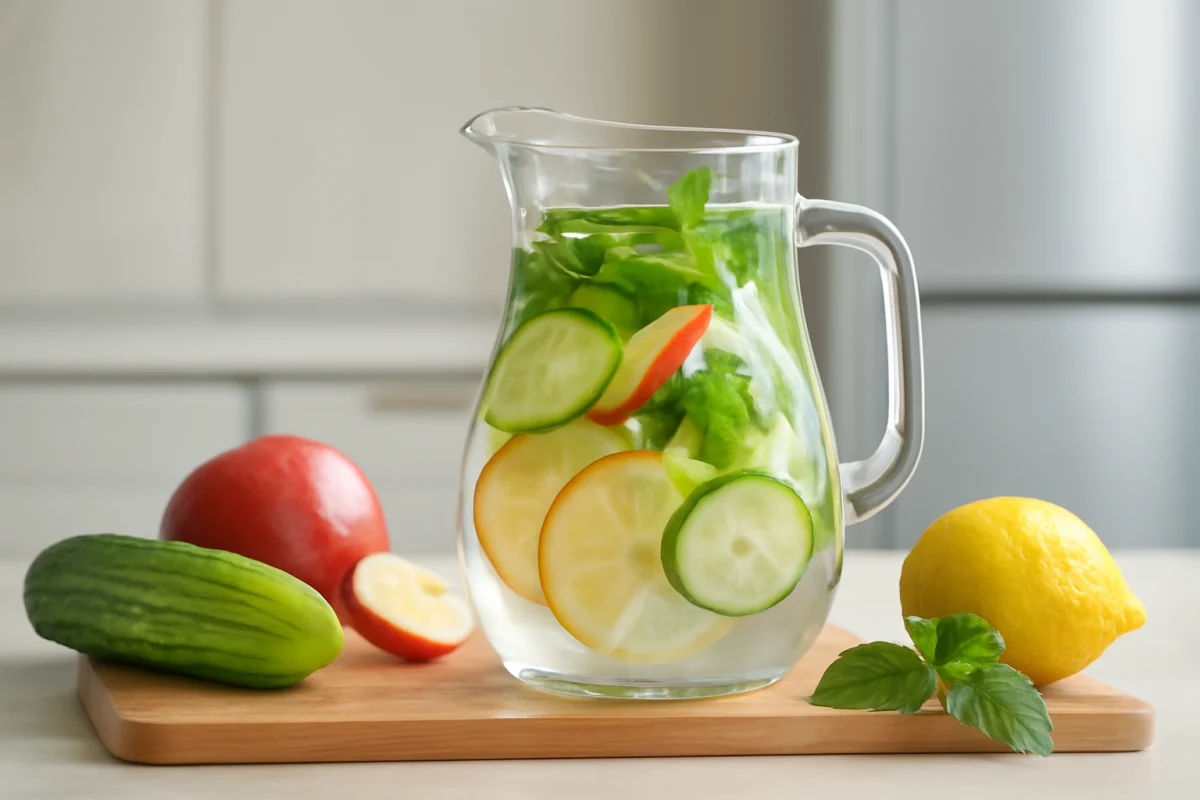
Temperature fluctuations can shorten the life of stored fruits and vegetables by speeding ripening, encouraging condensation, weakening texture, and creating conditions where spoilage organisms can grow. The practical solution is to keep produce in a stable, appropriate location, check it regularly, and use items that are still sound before quality declines further. This apple, cucumber, lemon, and mint infused water is an easy way to use fresh ingredients while they are crisp and safe, without treating the drink as a cure, detoxifier, or meal replacement. For more recipes and practical drink guidance, visit healthy detox drinks.
The recipe is especially useful when you have a cucumber that is beginning to soften, apples that are no longer perfect for snacking, or herbs that need to be used soon. It does not make spoiled food safe. Always discard produce with mold, a strong off odor, leaking liquid, extensive decay, or a slimy texture.
Apple, Cucumber, Lemon, and Mint Infused Water
This lightly flavored drink has a clean, refreshing taste and requires no juicer or blender. The fruit and vegetables remain in water rather than being processed into a concentrated beverage, so the recipe is best viewed as a flavorful hydration option. Plain water is also a good choice when that is what you prefer.
Preparation and serving details
- Prep time: 10 minutes
- Chill time: 30 minutes to 2 hours
- Total time: 40 minutes to 2 hours and 10 minutes
- Servings: 4 cups
Ingredients
- 4 cups cold drinking water
- 1 small crisp apple, cored and thinly sliced
- 1/2 medium cucumber, scrubbed and thinly sliced
- 1/2 lemon, thinly sliced or squeezed into the water
- 8 to 10 fresh mint leaves, gently bruised
- Ice, optional, for serving
How to make the infused water
- Inspect the produce. Choose ingredients that are firm or only mildly softened, with no visible mold, leaking areas, or unpleasant odor. Cut away minor bruises only if the remaining produce is sound and clean. Do not use food with extensive deterioration.
- Wash your hands and tools. Wash your hands with soap and water, then clean the cutting board, knife, pitcher, and work surface. Rinse whole produce under cool running water before slicing. Do not use soap or detergent on fruits and vegetables.
- Prepare the ingredients. Core and slice the apple. Slice the cucumber and lemon. Gently press the mint leaves between clean fingers to release aroma without pulverizing them.
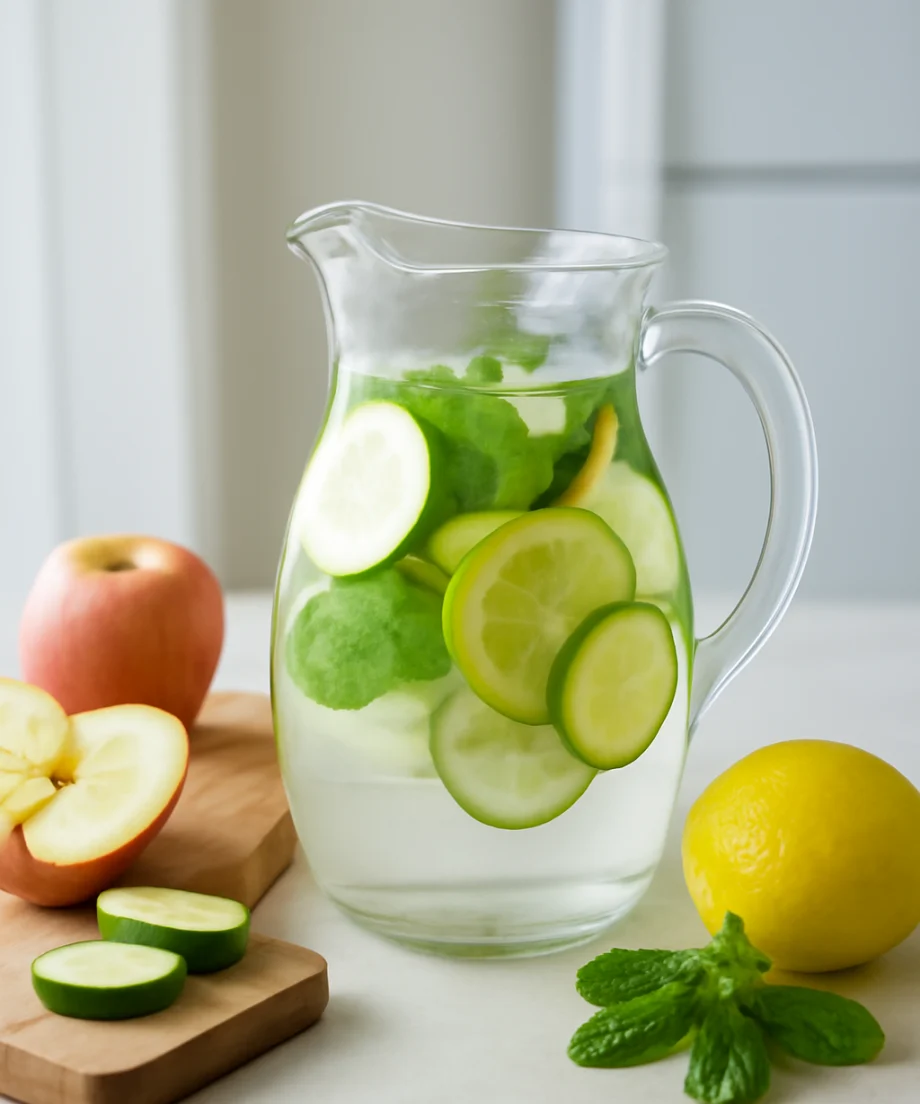
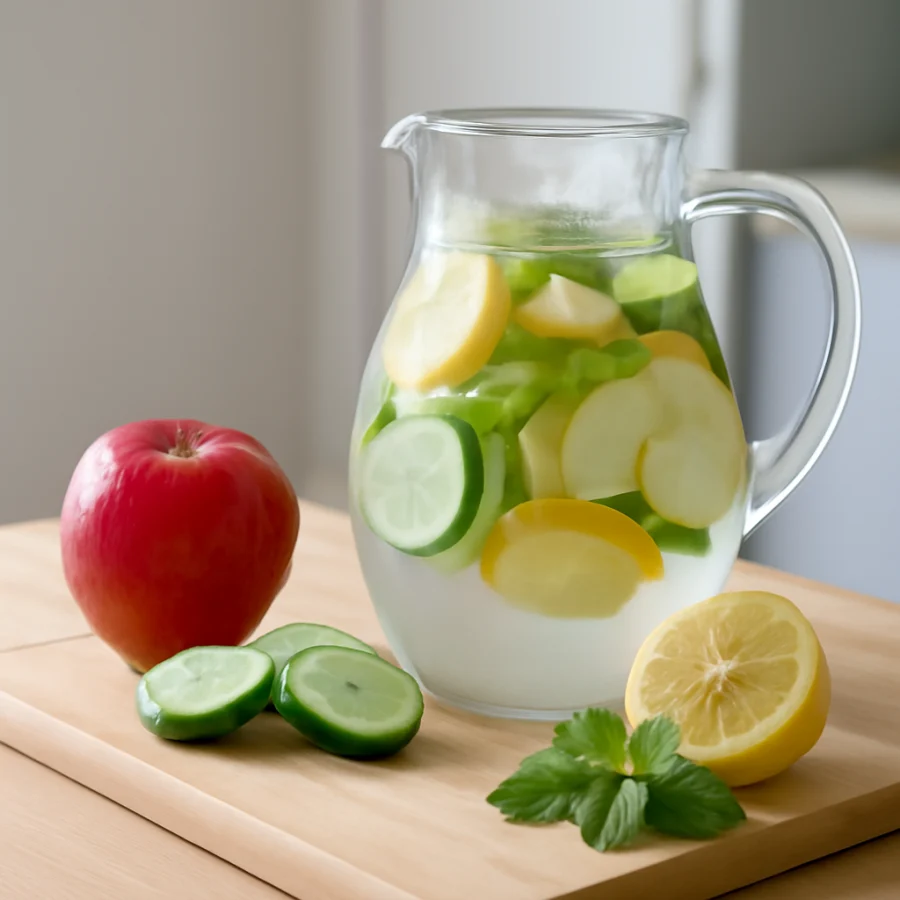
- Combine. Add the apple, cucumber, lemon, and mint to a clean pitcher. Pour in 4 cups of cold drinking water and stir with a clean utensil.
- Chill promptly. Cover the pitcher and refrigerate it for at least 30 minutes. A longer infusion of up to 2 hours gives the water a fuller flavor, but extended storage is not necessary.
- Serve safely. Pour over ice in clean glasses, or serve directly from the refrigerated pitcher. Keep the drink cold while serving and return leftovers to the refrigerator promptly.
Why temperature fluctuations damage produce
Fresh fruits and vegetables continue to respire after harvest. In simple terms, they use oxygen and release moisture and heat as they age. Temperature affects the speed of that process. Repeated movement between a warm counter, a cold refrigerator, and a warm kitchen can accelerate quality loss even when each individual temperature change seems minor.
Warm conditions generally speed ripening and moisture loss. A soft fruit may become overripe quickly, while leafy greens can wilt. Cold conditions can also damage some produce. Certain tropical or warm-season items may develop poor texture or darkened skin when held too cold. The right storage location depends on the food, not on a single rule that applies to every item.
Temperature swings also contribute to condensation. When cold produce is exposed to warmer, humid air, water can collect on its surface or inside packaging. Excess moisture can make leafy vegetables deteriorate faster and may support mold growth. Produce packed tightly in a sealed container can be particularly vulnerable if moisture has no way to escape.
For practical guidance on handling and storage, consult reliable current recommendations from food-safety authorities and review the Food Safety & Storage section.
How to store the ingredients before making the drink
Apples
Apples generally keep longer when refrigerated, although a small amount can remain at room temperature for short-term use. Keep them away from produce that is sensitive to ripening gases if you notice nearby items aging quickly. Store apples in a clean produce drawer or container, and remove any fruit that develops mold or leaking damage.
Cucumbers
Cucumbers can lose quality when exposed to very cold conditions for too long, while warm storage can lead to rapid softening. Follow the storage directions appropriate for the variety and your refrigerator. Keep cucumbers dry rather than washing them far in advance, because surface moisture can encourage deterioration. Wash them just before preparation unless the package label gives different instructions.
Lemons
Lemons can be kept at room temperature for short use or refrigerated for longer storage. Keep cut lemon covered and chilled. If the cut surface becomes dry, heavily discolored, moldy, or develops an off odor, discard it rather than trying to salvage it.
Fresh mint
Mint is delicate and can wilt quickly. Refrigerate it in a clean container or loosely wrapped in a slightly damp paper towel, taking care not to trap excess water. Use it promptly, and discard leaves that are slimy or moldy.
Helpful substitutions and flavor options
You can adapt the drink without changing its basic preparation. Replace the apple with pear if the pear is firm and free of spoilage. Strawberries, orange slices, or a small amount of pineapple can provide a different flavor, but inspect them carefully because soft berries and cut fruit spoil quickly. For a less tart drink, use fewer lemon slices. If you want a stronger herbal note, add basil instead of mint.
Use filtered or otherwise safe drinking water. If you prefer sparkling water, add it just before serving so the carbonation stays lively. A small amount of unsweetened tea can also replace part of the water after it has cooled completely. Avoid adding ingredients that have been sitting unrefrigerated for long periods, especially cut fruit, fresh herbs, or dairy products.
Food-safety and storage notes
Keep the prepared drink refrigerated at 40°F or below when possible, and follow current food-safety guidance for refrigerated leftovers. Because this recipe contains cut produce, it should not sit at room temperature for extended periods. Serve smaller amounts and refill from the refrigerator rather than leaving the entire pitcher on a warm table.
Use a clean, covered container and fresh utensils. Do not top up an old batch with new water and fresh produce. Instead, wash the container, discard the used ingredients, and prepare a new batch. The safest quality check is sensory: discard the drink if it becomes cloudy in an unusual way, fizzy without added carbonation, slimy, or unpleasant-smelling.
For additional recipes and preparation ideas, browse the Drink Recipes collection. If you are comparing a packaged beverage or a water-filtration product, check the current label and manufacturer information because product details can change.
Serving suggestions
Serve the infused water with a balanced snack or meal, such as whole-grain toast with eggs, yogurt with fruit, or a bean and vegetable salad. The drink can make water more appealing, but it does not supply all the nutrients found in a meal and should not be used as a substitute for regular food.
For a more attractive presentation, place a few cucumber ribbons or mint leaves in each glass. If you are serving guests, make the pitcher shortly before serving and keep it chilled. Strain out the produce after the first serving if the flavor becomes too strong or the ingredients begin to soften.
Frequently asked questions
Can temperature fluctuations make fruits and vegetables unsafe?
They can contribute to faster spoilage by encouraging moisture buildup, softening, and microbial growth, but temperature alone does not determine safety. Inspect the food, follow appropriate storage guidance, and discard produce with mold, extensive decay, leaking liquid, or an off odor.
Can I use produce that has started to soften?
Sometimes. Mild softening can be a quality issue rather than automatic spoilage if the item still smells fresh and has no mold, slime, leaking areas, or extensive decay. Use your judgment, remove damaged portions when appropriate, and use the ingredient promptly. Do not use visibly spoiled produce in a drink.
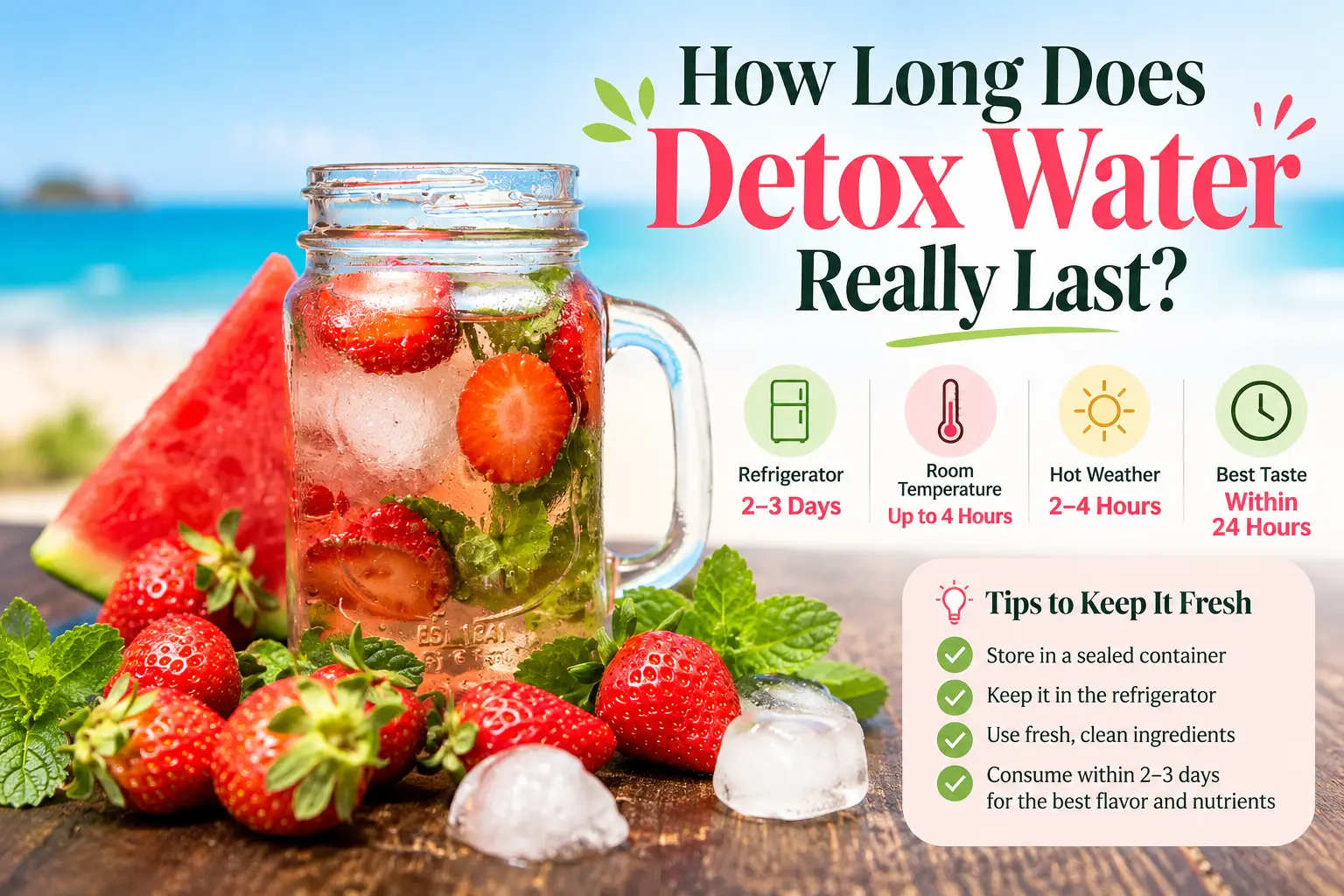
How long does this infused water last?
For best quality, drink it the same day or within a short refrigerated period, and follow reliable current food-safety guidance. Remove the fruit, cucumber, lemon, and mint if the flavor or appearance begins to deteriorate. Never leave the pitcher sitting out for an extended time.
Does this drink detox the body?
No drink has been established here as a way to remove toxins, cure disease, or guarantee weight loss. This recipe simply adds flavor to water and can fit into an ordinary eating pattern. For general hydration ideas, see the Hydration & Daily Routines guide.
What is the best way to prevent temperature swings?
Plan where each type of produce belongs, avoid repeatedly moving food between the counter and refrigerator, keep the refrigerator at a stable temperature, and do not overcrowd it. Store produce in clean, suitable containers and check it regularly so items can be used while they are still fresh.

Comments
0No comments yet. Be the first to share a helpful note or question.
Leave a Comment
Your email address will not be published. Comments are reviewed before appearing on the site.