
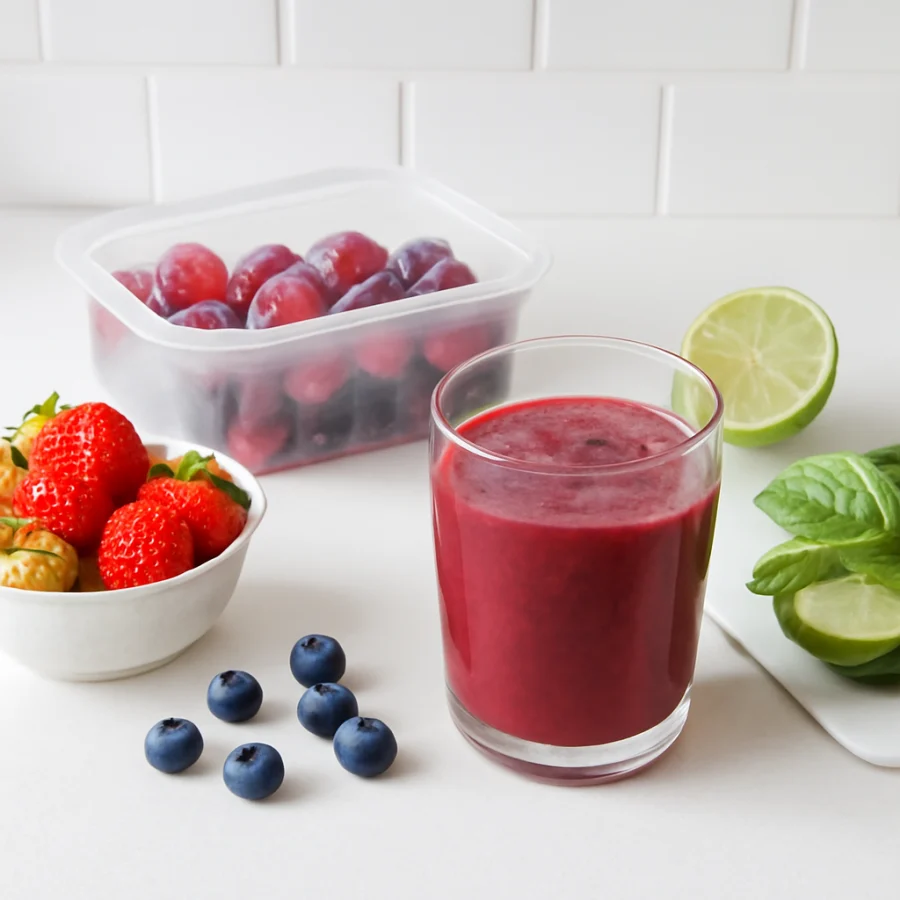
Yes, you can safely freeze many fresh fruits for future detox drinks, and frozen produce can make a refreshing blended beverage easier to prepare. Freezing preserves fruit for later use, reduces waste, and adds a naturally cold, thick texture without requiring much ice. However, freezing does not make old or poorly handled produce safe, and it does not turn a drink into a medical detox treatment. The best results come from starting with clean, ripe fruit, freezing it promptly, and using it in a balanced recipe such as this frozen berry, cucumber, and lime drink. For more recipes and practical drink guidance, visit homemade detox drinks.
This recipe is worth trying if you want a simple way to use seasonal fruit or keep drink ingredients ready for busy mornings. Berries contribute color and tart flavor, cucumber adds a fresh note, and lime brightens the mixture. Water keeps the drink light, while optional mint provides an herbal finish. The drink can be part of a varied eating pattern, but it should not replace balanced meals or professional care.
Frozen Berry, Cucumber, and Lime Drink
Preparation time: 15 minutes, plus freezing time
Total time: About 4 hours and 15 minutes, depending on the freezer
Servings: 2
Ingredients
- 1 cup fresh blueberries
- 1 cup fresh strawberries, hulled and halved
- 1 cup peeled cucumber, sliced
- 1 1/2 cups cold water, divided
- 2 tablespoons fresh lime juice
- 4 to 6 fresh mint leaves, optional
- 1 teaspoon honey or maple syrup, optional
- 1 cup ice, added only if needed for a colder or thicker drink
How to Freeze Fresh Fruit for Drinks
- Sort the produce. Choose fruit and vegetables that are fresh, firm, and free from visible mold, leaking juice, or extensive bruising. Freezing preserves food in its current condition; it does not improve quality or eliminate food-safety problems.
- Wash your hands and work surfaces. Wash your hands with soap and water before preparing produce. Clean knives, cutting boards, blender parts, and counters. Keep raw meat, poultry, seafood, and their juices away from fruit and drink ingredients.
- Rinse under cool running water. Rinse the berries and cucumber under running water, gently rubbing firm produce with clean hands. Do not use soap, bleach, or household cleaners on food. If the package label provides washing instructions, follow them.
- Dry thoroughly. Pat the produce dry with clean paper towels or use a clean produce towel. Excess surface water can create more ice crystals and make frozen pieces stick together.
- Prepare the pieces. Hull and halve the strawberries, slice the cucumber, and leave blueberries whole. Cut pieces small enough for your blender to handle comfortably after thawing slightly.
- Freeze in a single layer. Arrange the prepared pieces on a parchment-lined baking sheet or freezer-safe tray with space between them. Freeze until firm, usually several hours. Once solid, transfer the pieces to a labeled, airtight freezer bag or container.
- Label and organize. Write the contents and freezing date on the container. Use the oldest frozen fruit first and follow your freezer's storage guidance. Keep the freezer at 0°F or below for long-term frozen storage.
How to Make the Frozen Fruit Drink
- Add the water, lime juice, cucumber, strawberries, blueberries, and mint to a clean blender. If your blender has a recommended loading order, follow the manufacturer's instructions.
- Blend on low speed first, then increase the speed until the mixture is smooth. Stop the blender and scrape down the sides if needed. Add a small amount of water if the blades are struggling.
- Taste the drink. If the berries are especially tart, add the optional honey or maple syrup. Sweetener is not required, and the amount can be adjusted to suit your preferences.
- Add ice only if you want a colder, thicker texture. Blend briefly until incorporated.
- Pour into two clean glasses and serve promptly. Garnish with a cucumber ribbon, lime wedge, or mint leaf if desired.
What Freezing Does to Fresh Fruit
Freezing slows the growth of microorganisms and preserves food for later use, but it does not sterilize produce. Frozen fruit may also change texture after thawing because water inside the plant cells expands into ice crystals. Once thawed, those cells can soften and release liquid. That texture change is usually unimportant in a blended drink, where the fruit is processed into a smooth mixture.
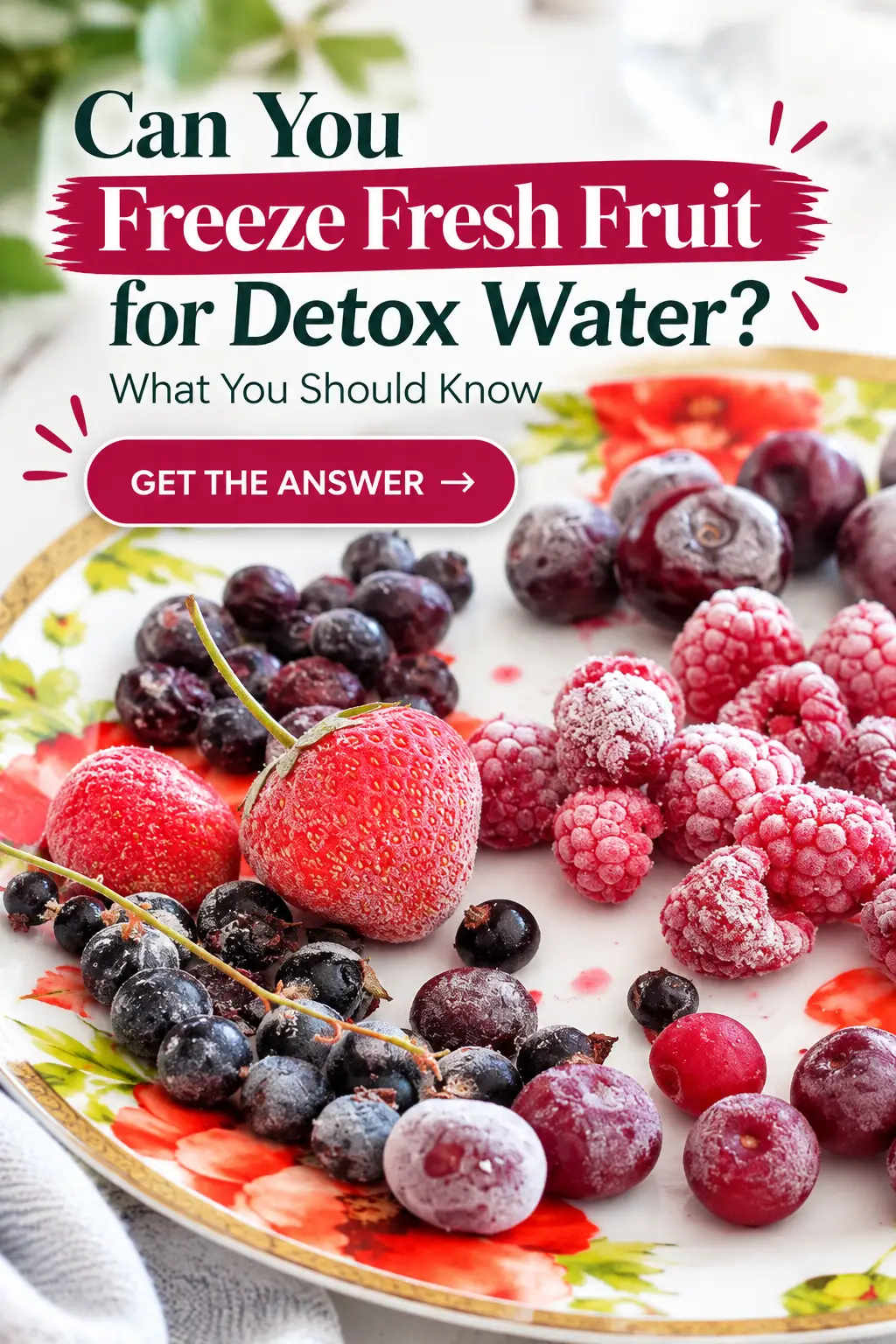
Flavor can remain pleasant, although delicate fruit may taste less bright after extended storage or if it develops freezer burn. Freezer burn appears as dry, pale, or leathery areas caused by exposure to air. It is primarily a quality issue, but it can affect flavor and texture. Airtight packaging, minimal empty space, and consistent freezer temperature help limit it.
Some fruits need more preparation than others. Berries, sliced peaches, mango, pineapple, and seedless grapes are convenient options for blending. Bananas can also be frozen after peeling and slicing, although they may darken slightly. Citrus segments should be peeled and separated from excess membrane when possible. Apples and pears may brown after cutting, so a small amount of lemon or lime juice can help maintain appearance, though it will not prevent every texture change.
Food-Safety Tips for Frozen Drink Ingredients
- Freeze produce while it is still fresh. Do not freeze fruit that has visible mold, a sour odor, or significant spoilage.
- Do not assume freezing kills every harmful microorganism. Handle produce carefully before freezing and after thawing.
- Use freezer-safe containers or bags designed to resist cracking and moisture loss.
- Leave a little room in rigid containers because liquid expands as it freezes.
- Keep frozen ingredients cold during preparation. If fruit has thawed completely, do not leave it sitting at room temperature for an extended period.
- Wash reusable blender components according to the manufacturer's instructions, especially around blades, seals, and small crevices.
- Do not taste ingredients that look or smell spoiled. When in doubt, discard them.
For broader guidance, see the Food Safety & Storage section and consult current recommendations from reliable food-safety authorities.
Helpful Ingredient Alternatives
You can replace blueberries with blackberries, raspberries, cherries, or frozen mixed berries. If using cherries, remove the pits before freezing. Mango or pineapple can replace the strawberries for a sweeter tropical variation. For a less sweet drink, use extra cucumber and reduce the fruit slightly. For more citrus flavor, add a small amount of lime zest, but scrub the lime first and use only the colored outer peel.
Plain coconut water can replace part or all of the water if you enjoy its flavor. Unsweetened green tea that has been fully chilled is another option, but avoid blending hot liquid in a closed blender because pressure can build and cause splashing. If you use a sweetened beverage, check the label so you know how much added sugar it contributes.
Mint is optional. Fresh basil can create a different herbal flavor, while a small piece of fresh ginger adds warmth and spice. If you have food allergies, medication concerns, or a health condition affected by particular ingredients, review substitutions with a qualified health professional.
Storage and Serving Guidance
For the best flavor and texture, serve the drink immediately after blending. If you need to hold it briefly, pour it into a clean, covered container and refrigerate it promptly. Separation is normal, so stir before serving. Do not leave a prepared fruit drink at room temperature for prolonged periods. Discard leftovers that have been handled unsafely or show an unusual smell, appearance, or texture.
Frozen fruit is often most useful when portioned before storage. Freeze berries, sliced mango, or cucumber pieces in amounts that match one recipe. This avoids repeatedly opening a large container and makes it easier to blend only what you need. For additional preparation ideas, explore the Drink Recipes collection and the Juicing & Blending guides.
Tips for Better Results
- Freeze fruit in a single layer before transferring it to a bag. This helps prevent one large frozen block.
- Use ripe fruit for better flavor, but do not use produce that has begun to spoil.
- Let very hard frozen pieces sit for a few minutes before blending if your appliance struggles with them.
- Start with less liquid and add more gradually. This makes it easier to control thickness.
- Cut cucumber into manageable pieces and remove large seeds if the cucumber is especially mature.
- Use a tamper only if your blender is designed for one, and never insert utensils while the blades are moving.
- Adjust tartness with fruit or a small amount of sweetener rather than relying on unsupported health claims.
Frequently Asked Questions
Does freezing fresh fruit remove toxins?
No. Freezing is a preservation method, not a detoxification process. It helps maintain food for later use but does not remove toxins or guarantee that spoiled or contaminated produce is safe.
Should I thaw fruit before blending?
Not always. Small frozen pieces can usually go directly into a capable blender with enough liquid. If your blender struggles, let the fruit soften slightly in the refrigerator or add more liquid. Follow the appliance manufacturer's guidance.
How long can frozen fruit be stored?
Storage time depends on the fruit, packaging, freezer temperature, and desired quality. Use labeled containers, keep the freezer at 0°F or below, and follow current food-safety guidance. Discard food with signs of spoilage, severe freezer burn, or an off odor.
Can I refreeze fruit after it thaws?
Quality may decline after thawing and refreezing. If fruit has remained properly refrigerated and has not been held at unsafe temperatures, it may sometimes be refrozen, but follow current food-safety guidance and expect a softer texture. When handling conditions are uncertain, discard it.
Is this drink a meal replacement?
No. This recipe is a fruit-and-vegetable beverage, not a nutritionally complete meal. Enjoy it alongside a varied diet rather than using it as a substitute for regular meals or professional nutrition guidance.
Comments
0No comments yet. Be the first to share a helpful note or question.
Leave a Comment
Your email address will not be published. Comments are reviewed before appearing on the site.