
The best way to make a bright, refreshing citrus ginger spritzer is to start with fruit that has been selected, washed, cut, and stored safely. This guide explains how to safely handle and store citrus fruits before using oranges, lemons, and limes in a simple homemade drink. The finished spritzer is flavorful without relying on restrictive cleanse rules or exaggerated health claims, and it can be prepared with common grocery-store ingredients. For more recipes and practical drink guidance, visit cleanse drink guide.
Citrus fruits are convenient, versatile, and naturally aromatic, but their thick peels can collect dirt and microorganisms during harvesting, shipping, handling, and shopping. Washing the outside of the fruit before cutting matters because a knife can transfer surface contamination from the peel to the edible flesh. Once citrus is cut or juiced, refrigeration and clean equipment become especially important.
For more practical guidance, browse these food safety and storage guides before preparing drinks in larger batches.
Citrus Ginger Spritzer at a Glance
- Prep time: 15 minutes
- Total time: 15 minutes, plus optional chilling
- Yield: 4 servings
- Best for: A nonalcoholic afternoon drink, light meal accompaniment, or make-ahead refreshment
Ingredients
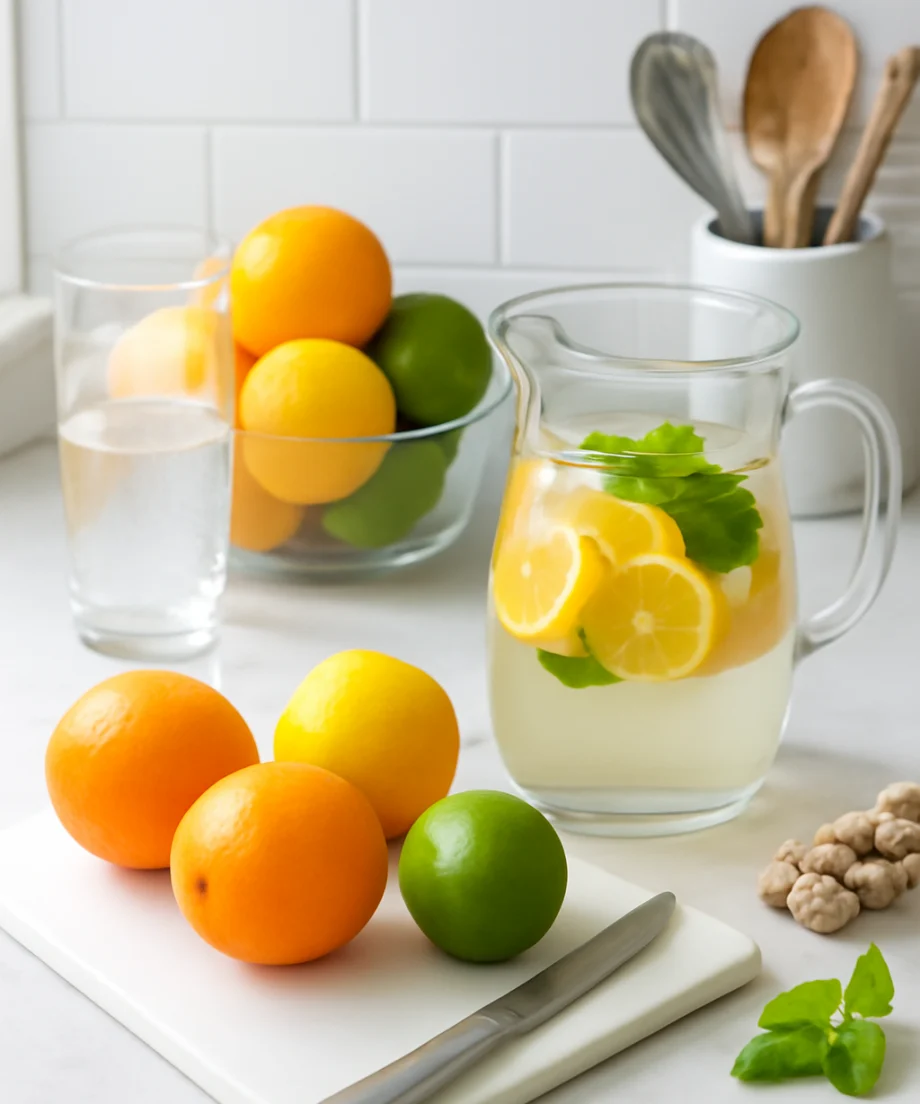
- 2 medium oranges
- 2 medium lemons
- 1 medium lime
- 1 tablespoon finely grated fresh ginger
- 3 cups cold plain sparkling water
- 1 to 2 tablespoons pure maple syrup or simple syrup, optional
- 1 cup ice, plus more for serving
- Fresh mint leaves, optional garnish
- Thin citrus wheels or wedges, optional garnish
This recipe makes a lightly flavored, tart spritzer. If you prefer a sweeter drink, add syrup gradually after tasting. You can also replace some of the sparkling water with still water if carbonation is not preferred.
How to Safely Handle and Store Citrus Fruits
1. Choose sound, undamaged fruit
At the store, select citrus that feels firm for its type and has a clean, intact surface. A small amount of color variation or minor cosmetic marking does not automatically make fruit unsafe, but avoid fruit with active mold, leaking juice, extensive soft spots, broken skin, or a fermented odor. If one fruit in a bag is moldy, inspect the others carefully and discard any that show mold or deterioration.
Do not assume that a thick peel makes a fruit safe to use without washing. The peel may be removed, but hands, knives, cutting boards, and juicers can carry residue from the outside to the inside.
2. Wash your hands and equipment
Wash your hands with soap and running water before preparing the fruit. Clean the cutting board, knife, citrus press, measuring spoons, pitcher, and serving glasses. Use a cutting board that is in good condition and easy to clean. A board with deep grooves can be harder to sanitize thoroughly.
Keep citrus separate from raw meat, poultry, seafood, and eggs during food preparation. Juicing should take place on a clean surface, away from uncooked animal foods and any utensils that have touched them.
3. Rinse citrus under running water
Rinse whole oranges, lemons, and limes under cool running water before cutting or zesting them. Rub the surface gently with clean hands. The U.S. Food and Drug Administration advises against using soap, detergent, or commercial produce washes on fruits and vegetables because these products are not intended to be eaten and may leave residues.
Dry the fruit with a clean towel or let it air-dry. Drying is not a substitute for rinsing, but it can remove some surface moisture and make the fruit easier to handle.
4. Wash before zesting
If you plan to use citrus zest, wash the fruit before removing any zest. Use a fine grater and take only the colored outer layer. The white pith underneath is more bitter and can make the spritzer taste harsh. Zest only the amount needed for the recipe, or store extra zest in a sealed container in the refrigerator for short-term use.
5. Cut and juice with clean tools
Cut the washed citrus on a clean board. For easier juicing, roll each fruit gently under your palm before slicing it in half. Use a clean hand juicer or electric citrus press, and strain the juice if you want to remove seeds and larger pulp.
Because fresh juice is perishable, do not leave it sitting at room temperature while you work on unrelated tasks. Pour it into a clean, covered container and refrigerate it promptly if you are not assembling the drink right away.
How to Make the Citrus Ginger Spritzer
- Prepare the citrus. Wash and dry the oranges, lemons, and lime. Zest a small amount of citrus if desired, then cut the fruit in half and juice it. You should have about 1 cup of combined juice, although the exact amount will vary with fruit size and juiciness.
- Combine the juice and ginger. Add the citrus juice and grated ginger to a clean pitcher. Stir well. For a smoother drink, strain the ginger through a fine-mesh strainer before adding the juice to the pitcher, or leave it in for a stronger texture and flavor.
- Sweeten carefully. Stir in 1 tablespoon of maple syrup or simple syrup if desired. Taste the mixture before adding more. Citrus varies in tartness, so the amount of sweetener may depend on the fruit.
- Add the sparkling water. Pour in the cold sparkling water slowly to reduce foaming. Stir gently once or twice. Overstirring can cause the carbonation to dissipate quickly.
- Serve immediately. Fill four glasses with ice and divide the spritzer among them. Garnish with a mint leaf or a thin citrus wheel. If using citrus wheels as garnish, wash the fruit before slicing, just as you would before juicing.
Ingredient Alternatives and Flavor Ideas
Use one type of citrus or create a blend. Orange and lemon provide a balanced sweet-tart base, while lime adds sharper acidity. Grapefruit can replace part of the orange juice for a more bitter flavor, but anyone taking prescription medication should check with a pharmacist or clinician because grapefruit can interact with some medications.
Fresh ginger gives the drink a warm, spicy note. If you do not have fresh ginger, use a small amount of unsweetened ginger juice or ginger syrup, checking the ingredient label and adjusting the added sweetener. Fresh mint can be replaced with basil, rosemary, or a thin cucumber ribbon. For a less sweet option, skip the syrup and add extra sparkling water. For a more concentrated drink, use less sparkling water, but remember that a stronger flavor is not a substitute for balanced meals or regular hydration.
You can also prepare a still version by using cold water instead of sparkling water. Another option is to freeze a small amount of citrus juice in ice cube trays and add the cubes to each glass. Use clean trays, cover them if possible, and transfer frozen cubes to a sealed freezer container to reduce freezer odors.
Safe Storage for Whole and Cut Citrus
Whole citrus generally keeps longer when stored in a cool, dry place or in the refrigerator, depending on how soon you plan to use it and the conditions in your kitchen. Keep it away from sources of heat and inspect it regularly. Refrigeration can help preserve quality, especially if your kitchen is warm or you bought more fruit than you can use promptly.
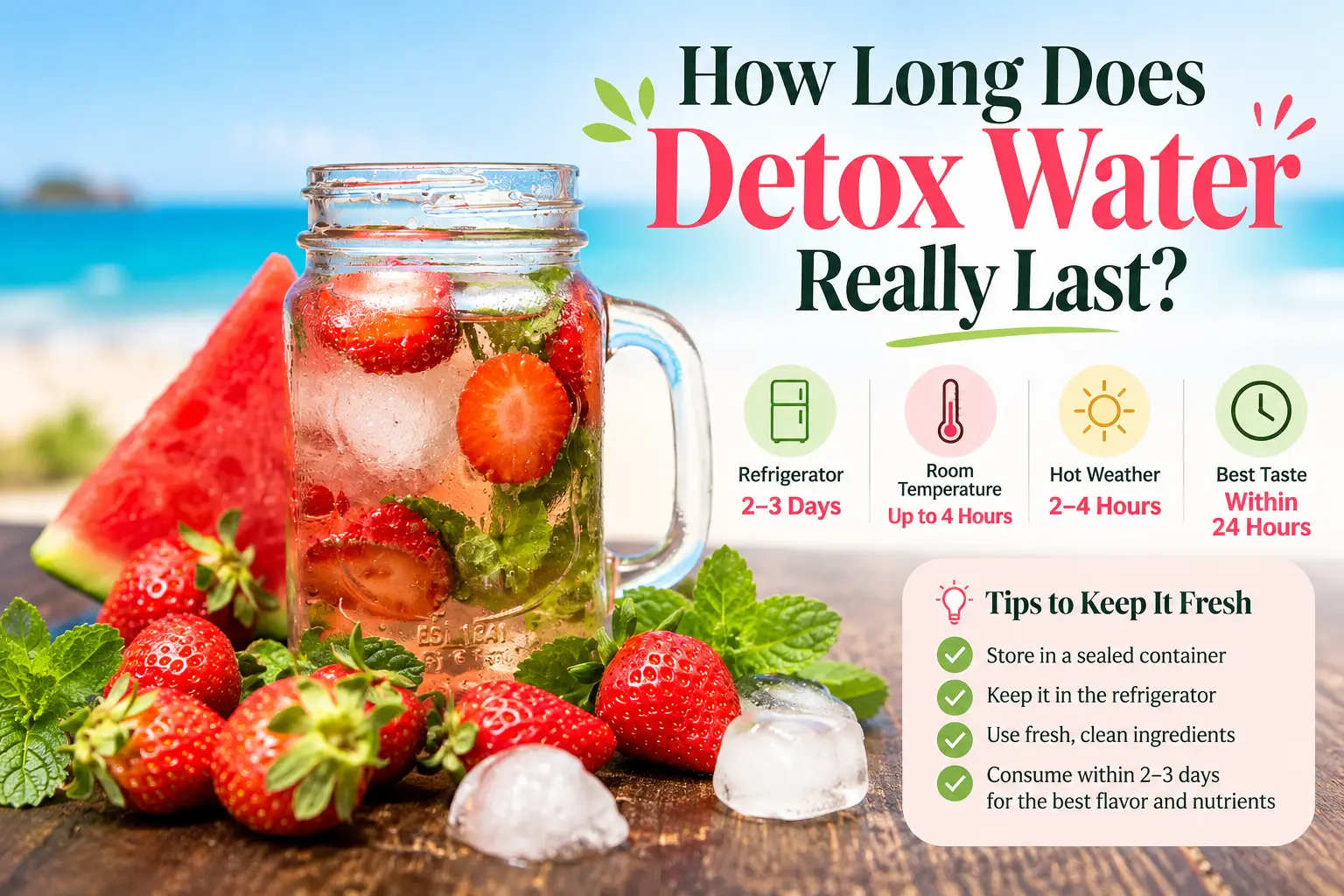
Once citrus is cut, peeled, juiced, or mixed into a drink, place it in a clean, covered container and refrigerate it promptly. Do not store cut fruit uncovered beside raw foods. For the best flavor and quality, use cut citrus and fresh juice as soon as practical rather than keeping them for an extended period.
Keep the sparkling water separate until serving if you are making the spritzer ahead. Store the citrus-ginger mixture in a sealed container in the refrigerator, then add cold sparkling water just before serving. This preserves carbonation and makes it easier to assess the mixture's freshness. Discard the drink if it develops mold, an unusual smell, unexpected fermentation, or a noticeably unpleasant taste. When in doubt, throw it out.
For current storage times and food-safety recommendations, consult reliable guidance from the FDA, USDA, or your local public health department. Exact storage life can vary with refrigerator temperature, cleanliness, ingredients, and handling.
Practical Preparation and Serving Tips
- Chill the citrus and sparkling water before mixing so the drink tastes refreshing without excessive ice.
- Strain the juice if you want a clear, polished spritzer, or leave some pulp for a more rustic texture.
- Add sparkling water immediately before serving instead of hours in advance.
- Use a pitcher with a lid if the drink will be refrigerated briefly.
- Place garnishes on clean plates or in a clean container before serving.
- Do not reuse a garnish that has been sitting in a glass or touching a guest's drink.
- Serve smaller portions alongside food rather than treating the drink as a meal replacement.
If you enjoy experimenting with homemade beverages, explore more drink recipes or review the site's ingredient guides for additional preparation ideas.
Frequently Asked Questions
Do I need to wash citrus if I will remove the peel?
Yes. Washing helps reduce the chance that dirt or microorganisms on the peel will transfer to the fruit through your hands, knife, cutting board, or juicer.
Can I wash citrus with dish soap?
No. Rinse citrus under running water and rub the surface gently. Soap, detergent, and household cleaners are not appropriate for washing produce.
Can I make this spritzer the night before?
You can prepare the citrus and ginger mixture in a clean, covered container and refrigerate it. Add the sparkling water immediately before serving so the drink does not go flat.
Can I use bottled citrus juice?
Yes, although the flavor may differ from freshly squeezed juice. Check the current product label for ingredients, storage instructions, and any required refrigeration after opening. Use the product within the time recommended by the manufacturer.
Is this citrus spritzer a cleanse or a detox treatment?
No. It is simply a flavored beverage. Citrus and ginger can contribute taste and aroma, while water supports fluid intake, but this drink does not remove toxins, treat disease, guarantee weight loss, or replace balanced meals or professional care.
What should I do with leftover citrus halves?
Store them cut-side down in a clean, covered container in the refrigerator and use them promptly. Discard them if they develop mold, drying, leaking juice, or an off odor.
A Safer Way to Enjoy Fresh Citrus
Safe citrus preparation begins before the juice reaches the pitcher. Choose sound fruit, wash the peel under running water, use clean tools, refrigerate cut fruit and juice, and add sparkling water shortly before serving. These simple habits help protect food quality while allowing the fresh flavor of oranges, lemons, limes, and ginger to stand out in a practical homemade drink.

Comments
0No comments yet. Be the first to share a helpful note or question.
Leave a Comment
Your email address will not be published. Comments are reviewed before appearing on the site.