
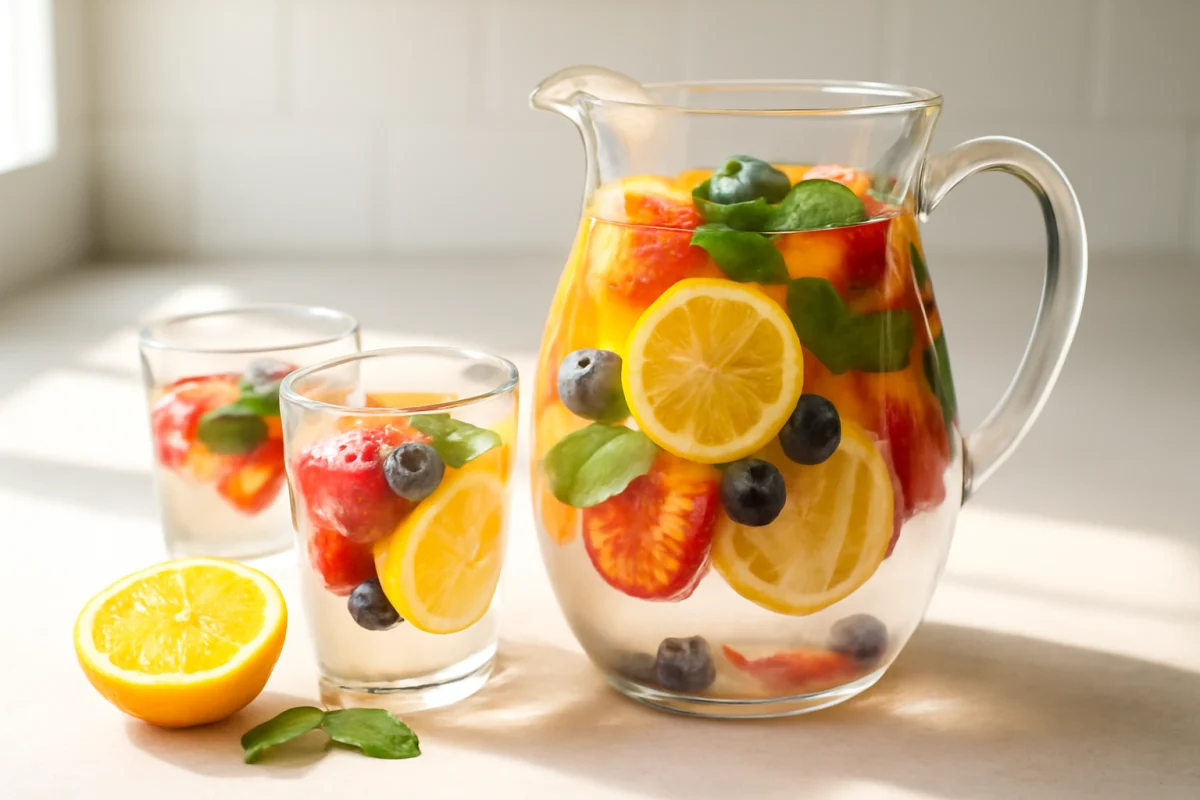
Juice cleanses and infused waters are not the same type of drink. A juice cleanse uses pressed or blended produce to create a beverage with calories and naturally occurring sugars, while infused water adds the flavor of fruits, vegetables, or herbs to plain water without turning it into juice. If you want a simple, food-based drink that encourages you to enjoy more water without following a restrictive cleanse, this citrus-berry basil infused water is a practical place to start. For more recipes and practical drink guidance, visit cleanse drink guide.
This recipe combines orange, lemon, strawberries, blueberries, and fresh basil. It has a bright flavor, requires no juicer, and can be prepared in a pitcher for sharing. The drink does not remove toxins, replace meals, guarantee weight loss, or provide the same nutrition as eating whole produce. Its main value is flavor: a more appealing glass of water can make hydration easier for some people.
Juice Cleanses and Infused Waters: The Key Difference
A juice cleanse generally involves drinking fruit or vegetable juice instead of, or in addition to, regular meals for a set period. Depending on the recipe and preparation method, juice may contain calories, sugars, and some vitamins and minerals. Removing or straining the pulp can also reduce the fiber found in whole fruits and vegetables. A juice cleanse can be filling for some people and unsatisfying for others, but it should not be treated as a required reset or a substitute for balanced eating.
Infused water is made by placing fresh ingredients in water and allowing their flavor to transfer. The fruit remains mostly intact rather than being pressed into liquid. Because only a small amount of the ingredients' juice mixes into the water, the finished drink is usually much lighter than juice and is not nutritionally equivalent to a serving of fruit. Depending on how long the ingredients steep and how much juice is released, the flavor and calorie content can vary.
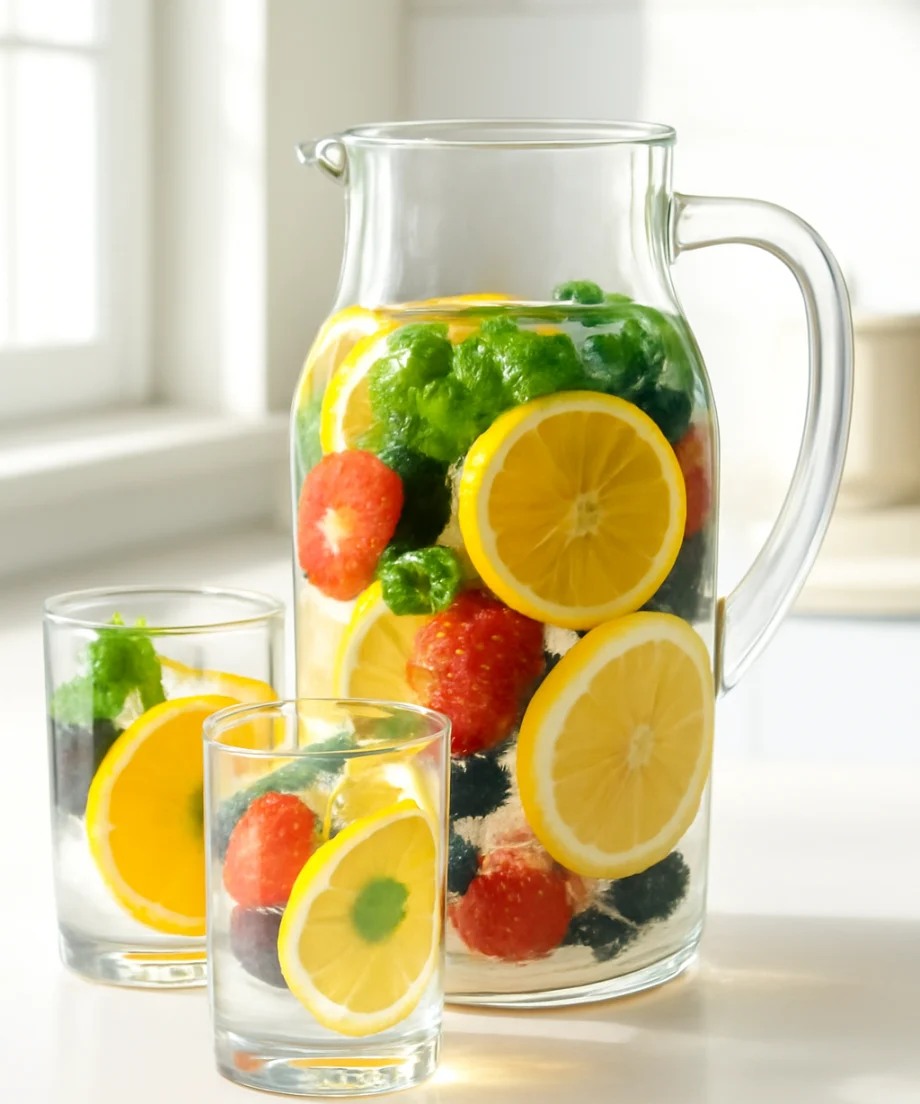
For a broader overview of drink ingredients and their practical uses, explore these drink and ingredient guides. The most useful choice depends on your goal. Someone seeking a calorie-containing beverage may prefer juice, while someone looking for lightly flavored water may prefer an infusion. Neither drink is a magic detox treatment.
Citrus-Berry Basil Infused Water
This recipe is designed to highlight the difference between infused water and juice. The fruit is sliced or gently pressed for flavor, but it is not processed through a juicer. The result is a colorful, aromatic drink with a clean, refreshing taste.
Preparation details
- Prep time: 10 minutes
- Infusion time: 30 minutes to 2 hours
- Total time: About 40 minutes, or up to 2 hours for a stronger flavor
- Servings: 6 cups, about 4 servings
Ingredients
- 6 cups cold drinking water
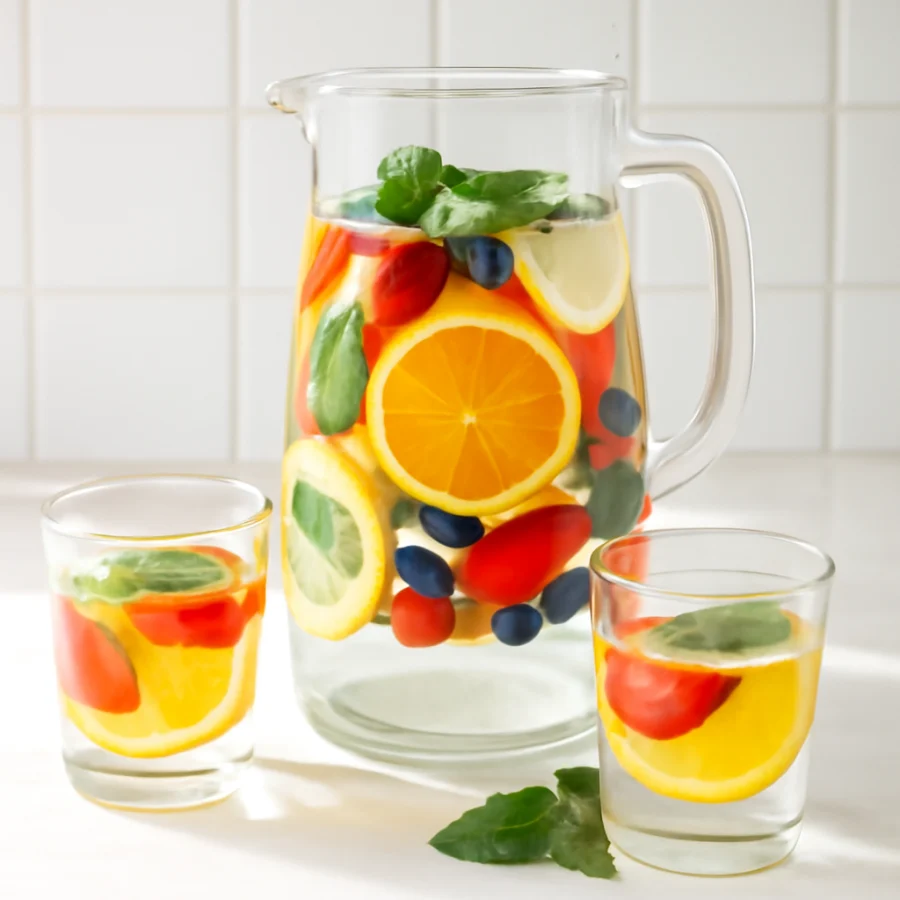
- 1 medium orange, thoroughly washed and thinly sliced
- 1/2 medium lemon, thoroughly washed and thinly sliced
- 1/2 cup strawberries, hulled and sliced
- 1/2 cup blueberries, washed
- 6 to 8 fresh basil leaves, washed
- Ice, for serving, optional
How to Make Citrus-Berry Basil Infused Water
- Wash your hands and produce. Rinse the orange, lemon, strawberries, blueberries, and basil under cool running water. Use clean hands, a clean cutting board, and a clean knife. Do not use soap or household cleaners on produce.
- Prepare the fruit. Slice the orange and lemon into thin rounds. Hull and slice the strawberries. Leave the blueberries whole, or gently press a few with the back of a spoon if you want more color and berry flavor.
- Combine the ingredients. Add the prepared fruit and basil to a clean pitcher or large food-safe container. Pour in 6 cups of cold drinking water.
- Gently bruise the basil. Press the basil leaves once or twice between clean fingers or lightly tap them with the back of a spoon. Avoid tearing the leaves into tiny pieces, which can make the drink look cloudy and harder to strain.
- Chill and infuse. Cover the pitcher and refrigerate for at least 30 minutes. For a more noticeable flavor, let it infuse for up to 2 hours.
- Serve cold. Pour the water over ice if desired. Use a strainer when serving if you prefer a clearer drink, and add fresh garnishes to individual glasses.
Why This Recipe Is Worth Trying
The recipe uses familiar ingredients and does not require specialized equipment. Orange and lemon contribute a crisp citrus aroma, berries add a mild fruit flavor and color, and basil brings a gentle herbal note. Because the ingredients steep in water rather than being juiced, the recipe offers a different experience from a juice cleanse. You can sip it with a meal, keep it available during a workday, or serve it at a gathering instead of a sugary beverage.
It is also easy to adjust. If you prefer a stronger citrus profile, add a few extra orange slices. For a more subtle drink, use fewer lemon slices or remove the lemon after the first 30 minutes. People who like herbal flavors can try mint in place of basil. These changes affect taste, not the drink's ability to cleanse the body or treat a health condition.
Ingredient Alternatives and Preparation Tips
- Use frozen berries: Frozen blueberries or strawberries can help chill the water. Check the package directions and choose plain fruit without added sugar or syrup.
- Swap the herbs: Mint, rosemary, or thyme can replace basil. Start with a small amount because some herbs have a strong flavor.
- Try cucumber: Add a few thin cucumber slices for a mild, fresh taste. Wash the cucumber before cutting it.
- Make individual servings: Place a few fruit pieces and one basil leaf in a glass, add water, and chill. This works well when you do not want to prepare a full pitcher.
- Do not over-muddle: Crushing the fruit aggressively can release bitterness from citrus peel and create pulp. Gentle pressing is enough.
- Use drinking-quality water: If your tap water has an unpleasant taste, chilled filtered water may make the finished drink more enjoyable.
For more fruit and herb combinations, see this guide to fruits and herbs for homemade infused water. You can also find additional ideas in the site's drink recipe collection.
Food Safety and Storage
Fresh produce and water should be handled carefully. Wash produce under cool running water before slicing, keep cut ingredients refrigerated, and use a clean pitcher. Do not leave the finished drink at room temperature for extended periods, particularly outdoors or in warm conditions.
Keep the pitcher covered and refrigerated. For the best quality, drink it within 24 hours and discard it sooner if it develops an unusual smell, appearance, or flavor. Remove the fruit and herbs after a few hours if the flavor becomes bitter or overly strong. Do not top off an old batch with new water; wash the container before preparing another batch. For additional guidance, consult these food safety and storage resources and follow current recommendations from reliable food-safety authorities.
How to Choose Between Juice and Infused Water
Consider what you expect from the drink. Juice is a food-containing beverage that may provide calories and some nutrients, but it can also contain substantial natural sugar depending on the ingredients and serving size. Infused water is primarily a flavored hydration option and generally contributes far fewer calories than a glass of juice, although the exact amount varies.
If you are comparing packaged juices or flavored waters, read the current Nutrition Facts label and ingredient list. Product formulas, serving sizes, and added sweeteners can change, so do not rely on an old description or a front-of-package claim. If you have a medical condition, take medication, or have specific nutrition needs, ask a qualified health professional how a particular beverage fits your routine.
Frequently Asked Questions
Is infused water healthier than a juice cleanse?
Neither category is automatically healthier for every person. Infused water is a low-effort way to add flavor to water, while juice contains more of the produce's liquid and may provide calories and nutrients. A juice cleanse is not necessary for routine health, and neither drink should replace a varied eating pattern.
Does citrus-berry basil water detox the body?
No. The body already has organs and systems that process and eliminate waste. This drink can provide fluid and flavor, but there is no sound basis for promising that it removes toxins or cures a condition.
Can I blend the ingredients instead?
You can blend the ingredients with water, but that creates a different beverage with pulp, texture, and more of the fruit's contents. It is no longer a simple infused water. If you blend it, drink it as a smoothie-style beverage and avoid treating it as a restrictive cleanse.
Can I prepare this recipe the night before?
Yes, provided it is covered and refrigerated promptly. The flavor may become stronger overnight, and the citrus peel or basil can add bitterness. For the freshest taste, prepare it the same day and remove the solid ingredients after several hours.
What can I serve with infused water?
Serve it with breakfast, lunch, grilled vegetables, sandwiches, or a snack. It also works as a nonalcoholic option at a gathering. Pairing it with regular meals reinforces that infused water is a beverage addition, not a replacement for balanced food.


Comments
0No comments yet. Be the first to share a helpful note or question.
Leave a Comment
Your email address will not be published. Comments are reviewed before appearing on the site.