
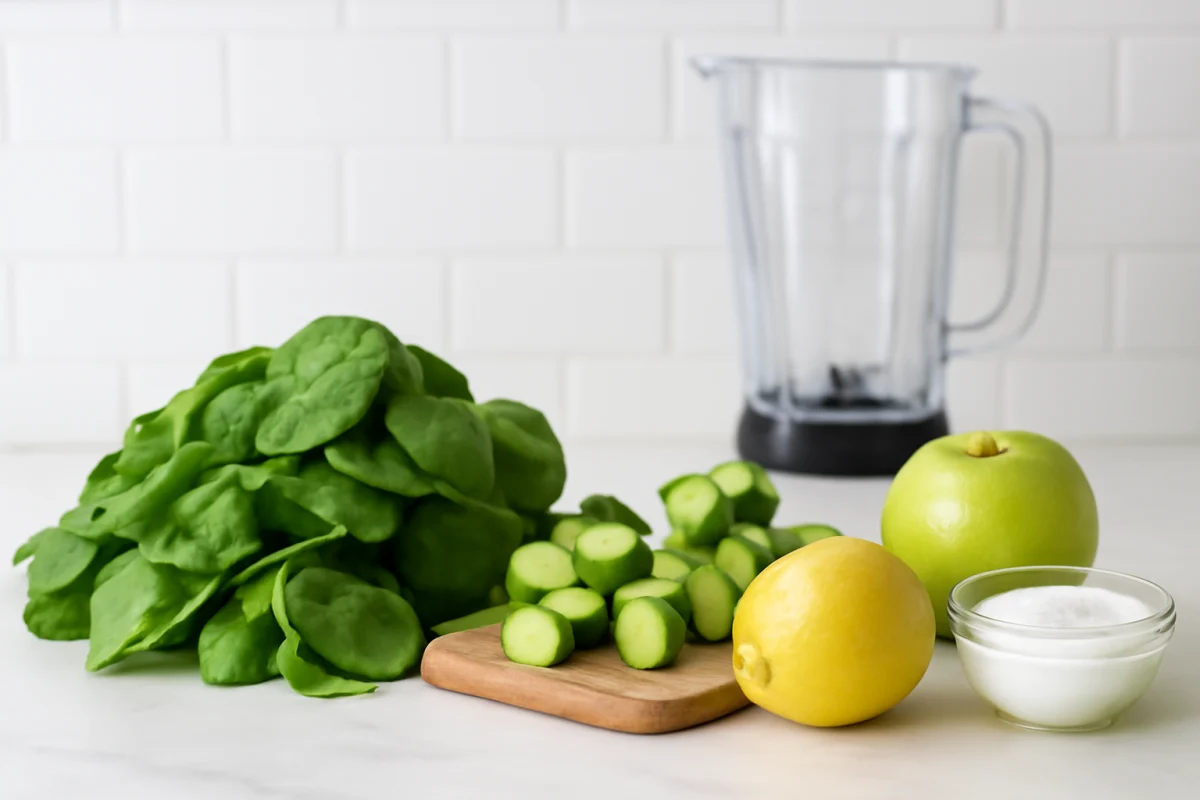
The safest way to use leafy greens in a drink is to check their condition before blending: choose leaves that are crisp, clean, and free from sliminess, strong odors, extensive discoloration, or visible mold. This guide explains the most important expiration and freshness signs in leafy greens and shows how to use good-quality greens in a refreshing apple-cucumber green smoothie. The recipe is designed for everyday preparation, without claiming to detoxify the body or replace balanced meals. For more recipes and practical drink guidance, visit detox water recipes.
Leafy greens can be delicate, and their quality may change quickly after purchase. Knowing what is still usable—and what should be discarded—helps reduce waste while supporting safer food preparation. For broader guidance, visit these Food Safety & Storage resources.
Apple-Cucumber Green Smoothie
This smoothie pairs tender greens with cucumber, apple, lemon, and yogurt or a dairy-free alternative. It is a practical way to use fresh greens while keeping the flavor bright and mild. The ingredients provide taste, texture, and hydration, but the drink is not a cure, cleanse, or substitute for a varied eating pattern.
- Preparation time: 10 minutes
- Total time: 10 minutes
- Servings: 2
Ingredients
- 2 packed cups fresh baby spinach or tender kale leaves, about 2 ounces
- 1 medium cucumber, rinsed and cut into chunks
- 1 medium sweet apple, rinsed, cored, and chopped
- 1 cup cold water
- 1/2 cup plain yogurt or unsweetened plain dairy-free yogurt
- 1 tablespoon fresh lemon juice
- 1/2 cup ice, optional
Directions
- Inspect the greens. Remove leaves that are slimy, moldy, foul-smelling, or heavily decayed. Keep only greens that look and smell fresh. Separate the leaves from any damaged portions before washing.
- Wash the produce. Rinse the greens, cucumber, and apple under cool running water. Rub firm produce gently with clean hands. Do not use soap, detergent, or household cleaners on food.
- Dry the greens. Pat the leaves dry with a clean towel or use a salad spinner. Excess water can make the smoothie thinner and may shorten the storage life of leftover ingredients.
- Add the liquid first. Pour the water, yogurt, and lemon juice into a blender. Adding liquid first can help the blades move the ingredients more evenly.
- Blend the produce. Add the greens, cucumber, apple, and ice. Start on a low speed and gradually increase it. Blend until the mixture is smooth, stopping to scrape down the sides if needed.
- Taste and serve. Pour the smoothie into two glasses and serve immediately. If the flavor is too tart, use a sweeter apple next time rather than relying on a large amount of added sweetener.
How to Recognize Fresh Leafy Greens
Freshness signs in leafy greens are usually easy to assess with your eyes, hands, and nose. Greens do not need to look perfect to be useful, but they should not show signs of spoilage.
Color and appearance
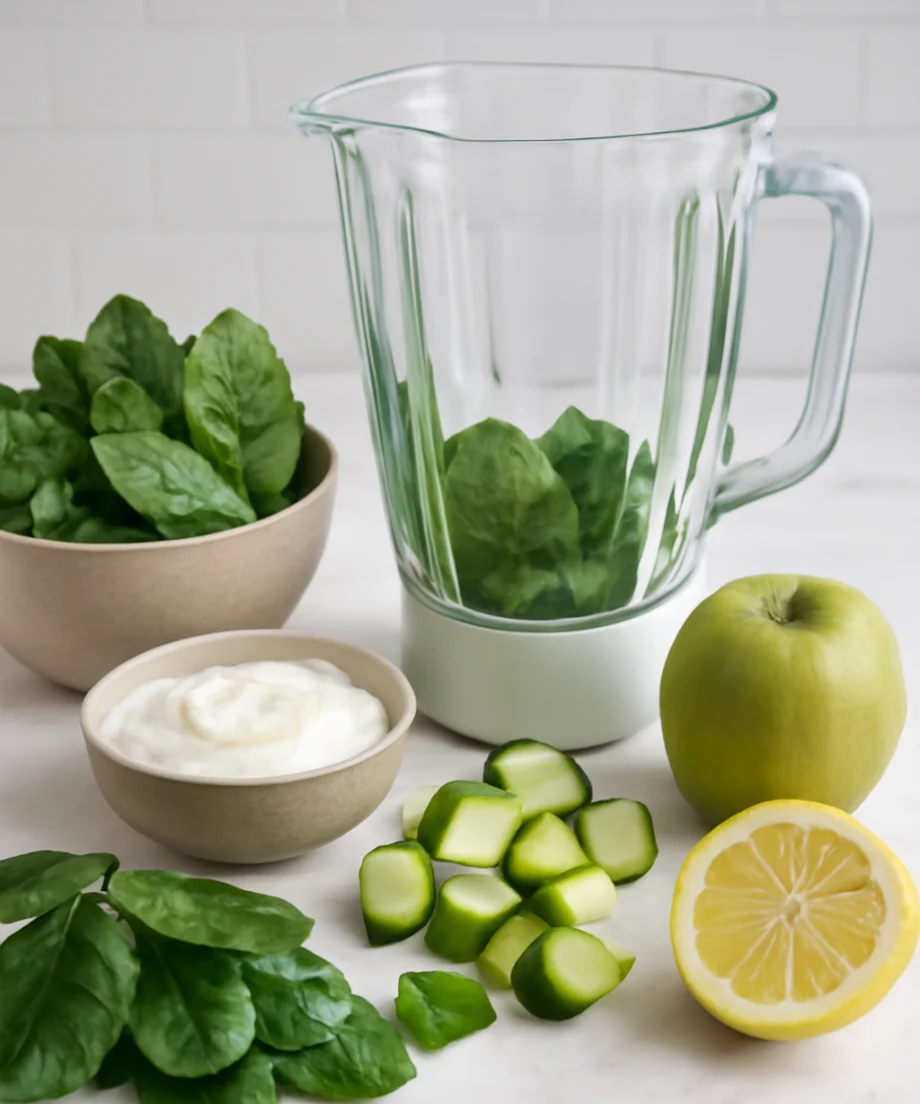
Look for leaves with a color that is typical for the variety. Spinach may be green to deep green, while kale can range from green to bluish-green or purple depending on the type. A few dry edges or small areas of mild discoloration may be removable if the rest of the leaf is firm and fresh. However, widespread browning, blackening, yellowing with decay, or a wet, collapsing appearance suggests declining quality.
Do not use greens with visible mold. Mold can appear as fuzzy white, gray, green, or dark patches. Cutting around mold is not a reliable way to make soft, leafy produce safe because contamination may extend beyond what is visible.
Texture
Fresh leaves generally feel firm, crisp, or flexible without being wet and slippery. A little wilting does not always mean the greens are spoiled. Leaves that are merely limp may still be usable after careful inspection and washing. In contrast, sliminess, stickiness, mushiness, or extensive tissue breakdown are important discard signs.
Smell
Fresh greens usually have a mild, grassy, or neutral aroma. A sour, fermented, rotten, or unusually strong odor is a reason to discard them. Do not taste questionable greens to decide whether they are safe.
Expiration Dates and Leafy Greens
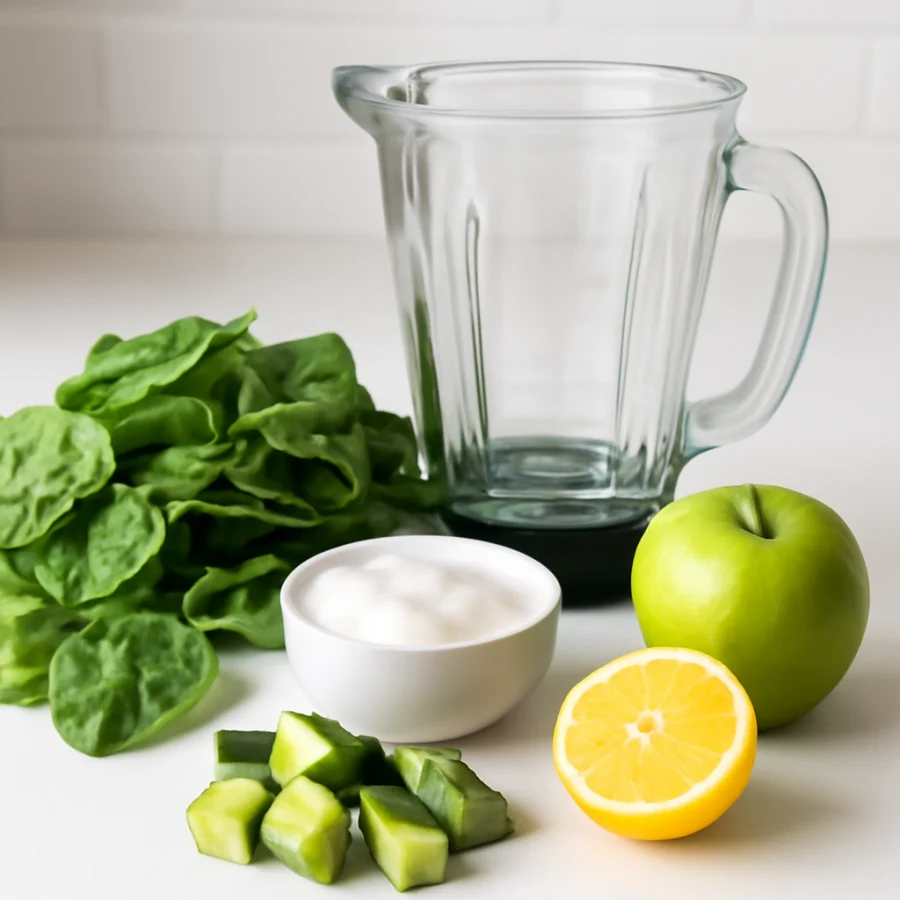
Packaged greens may display a “use by,” “best by,” or “sell by” date, but the meaning can vary by product and retailer. A date is not a replacement for inspecting the food. Follow the package directions, keep the greens refrigerated, and discard them if they show spoilage signs, even when the printed date has not passed.
Unwashed greens may have a different storage life from washed, bagged greens. Once a package is opened, air and handling can speed quality loss. Keep the original label if it includes storage instructions, and check any current guidance from the package or manufacturer when details are unclear.
Food-Safety Steps Before Blending
Start with clean hands, a clean cutting board, a clean knife, and a clean blender jar. Wash your hands with soap and water before handling produce and again after handling unwashed greens. Keep leafy greens away from raw meat, poultry, seafood, and their juices to reduce cross-contamination.
Rinsing produce can remove surface dirt, but it does not make spoiled food safe and cannot guarantee removal of all harmful microorganisms. Washing also does not replace refrigeration. Keep perishable ingredients cold until preparation, and refrigerate yogurt or other dairy ingredients promptly.
If you are preparing the smoothie for someone who is pregnant, older, immunocompromised, or otherwise at higher risk from foodborne illness, use especially careful handling and follow current advice from reliable food-safety authorities. When in doubt about a questionable ingredient, discard it.
Ingredient Alternatives and Flavor Adjustments
- Greens: Substitute romaine, Swiss chard, or a small amount of tender collard greens if they are fresh and suitable for blending. Tough stems may make the drink fibrous, so remove them when appropriate.
- Fruit: Pear can replace the apple for a softer, floral flavor. Frozen mango can add sweetness and body, although it changes the color and flavor profile.
- Liquid: Use cold water, unsweetened milk, or an unsweetened dairy-free beverage. Check the product label for storage instructions and allergens.
- Yogurt: Plain yogurt adds creaminess. To make the smoothie dairy-free, use plain dairy-free yogurt and verify the ingredient label if allergies are a concern.
- Citrus: Lime juice can replace lemon juice. Add it gradually because acidity varies among fruits.
Blending and Serving Tips
For a smoother texture, use tender spinach or baby greens. Mature kale and collard greens may need extra blending, and removing thick stems can improve the result. If the smoothie is too thick, add water one tablespoon at a time. If it is too thin, add a few more cucumber pieces, ice, or a little frozen fruit.
Serve the smoothie soon after blending for the best flavor and texture. Pair it with a balanced meal or snack if you want more staying power; a green smoothie should not be treated as a replacement for all meals or as part of a restrictive cleanse. You can find more ideas in the site's Drink Recipes collection.
Storage Instructions
For best quality, drink the smoothie immediately. If you need to save it, pour it into a clean, covered container and refrigerate it promptly. Keep the container cold, leave as little air space as practical, and shake or stir before drinking because separation is normal. Discard leftovers that develop an unpleasant smell, unusual fermentation, mold, or an unexpected change in texture.
Do not leave the smoothie at room temperature for extended periods, especially because it contains yogurt and cut produce. When preparing ahead, it is generally better to wash and dry fresh greens, then store them properly and blend close to serving time rather than holding a finished drink longer than necessary.
Frequently Asked Questions
Can slightly wilted leafy greens go into a smoothie?
Sometimes. If the leaves are only limp but still smell fresh and have no slime, mold, or extensive decay, remove damaged sections, wash them under cool running water, dry them, and use them promptly. Do not use wilted greens that are slimy, foul-smelling, or moldy.
Should I wash bagged greens labeled “prewashed”?
Follow the package directions. Rewashing can create additional handling and cross-contamination opportunities, so do not automatically rewash a product that is labeled ready to eat unless the package instructs you to do so. Always inspect the leaves and keep the bag refrigerated.
How can I keep leafy greens fresh longer?
Refrigerate them promptly, avoid crushing the leaves, and control excess moisture. A clean container or bag with a dry paper towel can help absorb moisture, but replace the towel if it becomes wet. Keep greens away from produce that is already spoiled.
Can a smoothie hide spoiled greens?
Blending may hide visual signs, but it does not make spoiled greens safe. Strong flavorings, citrus, or sweet fruit cannot reliably eliminate food-safety risks. Inspect every ingredient before it enters the blender.
Understanding expiration and freshness signs in leafy greens makes this recipe easier to prepare responsibly. Choose sound produce, wash and handle it carefully, keep the finished drink cold, and discard anything that shows clear spoilage.


Comments
0No comments yet. Be the first to share a helpful note or question.
Leave a Comment
Your email address will not be published. Comments are reviewed before appearing on the site.