
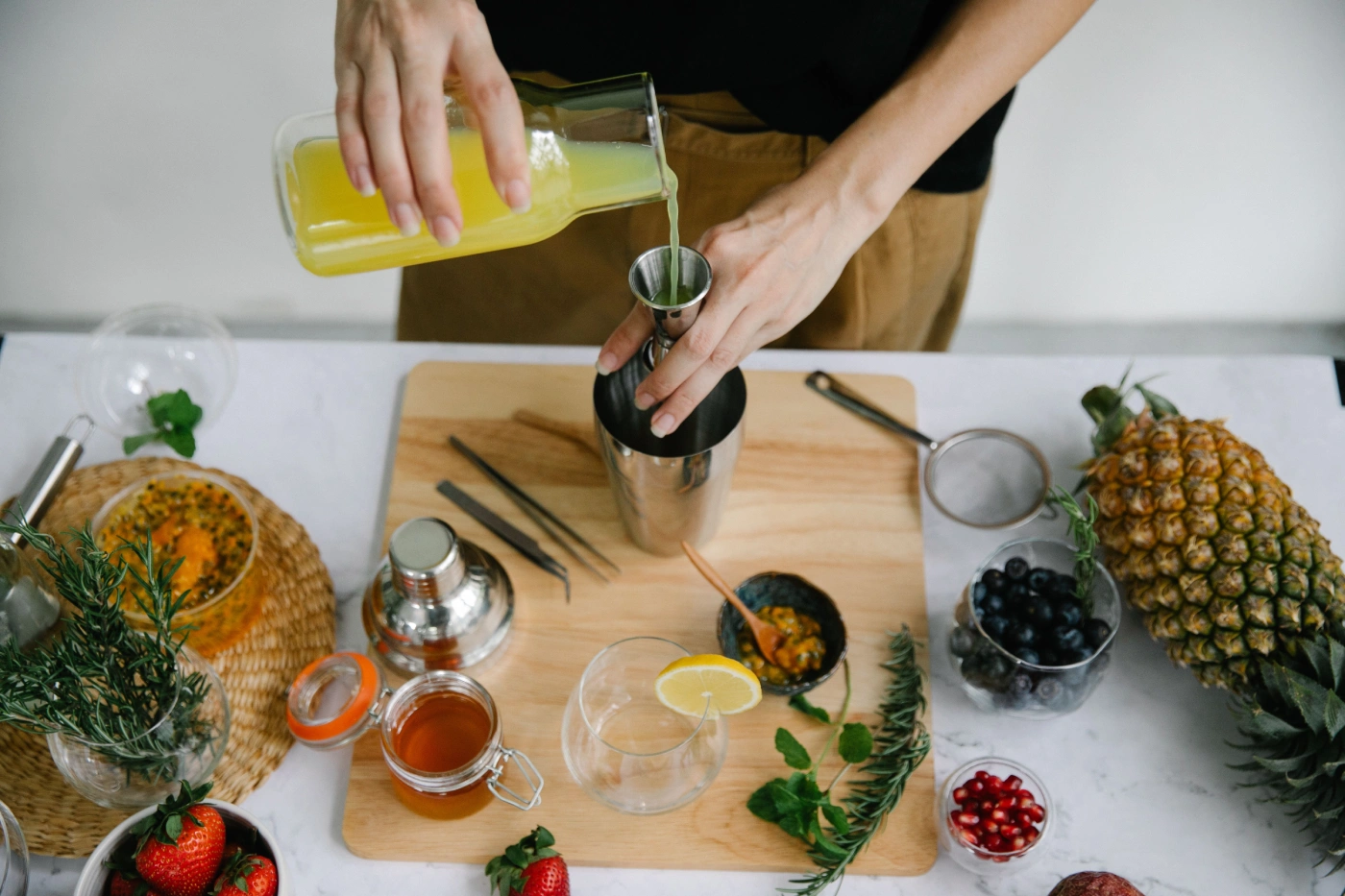
To maintain a clean and safe juicing station, organize your tools before you begin, wash produce under running water, prevent cross-contamination, and clean the juicer promptly after use. This checklist walks you through a refreshing cucumber, apple, and lemon juice while showing how to build safer habits around preparation, serving, and storage. For more recipes and practical drink guidance, visit healthy detox drinks.
This recipe is worth trying because it uses a short list of familiar ingredients and delivers a crisp, lightly tart drink without complicated equipment or a long prep session. It is not a substitute for a balanced meal, and it does not remove toxins or provide guaranteed health results. Instead, it is a simple homemade beverage that can fit into an everyday kitchen routine when prepared and stored carefully.
For more general guidance, browse these food safety guides before making fresh drinks at home.
Cucumber, Apple, and Lemon Juice at a Glance
- Prep time: 15 minutes
- Total time: About 25 minutes, including cleanup
- Makes: 2 servings, about 8 ounces each
- Best equipment: Juicer, produce brush, clean cutting board, sharp knife, fine-mesh strainer if desired, and a clean covered container
Ingredients
- 1 medium English cucumber, about 10 to 12 ounces
- 2 medium crisp apples, such as Gala, Honeycrisp, or Granny Smith
- 1 lemon
- 2 to 4 tablespoons cold water, optional for adjusting the texture
- Ice, optional, for serving
Choose firm, unbruised produce whenever possible. Apples can vary in sweetness, so the final flavor will depend on the variety you use. A tart apple creates a sharper drink, while a sweeter apple produces a rounder flavor. If you prefer a milder citrus note, use half the lemon first and add more juice only if needed.
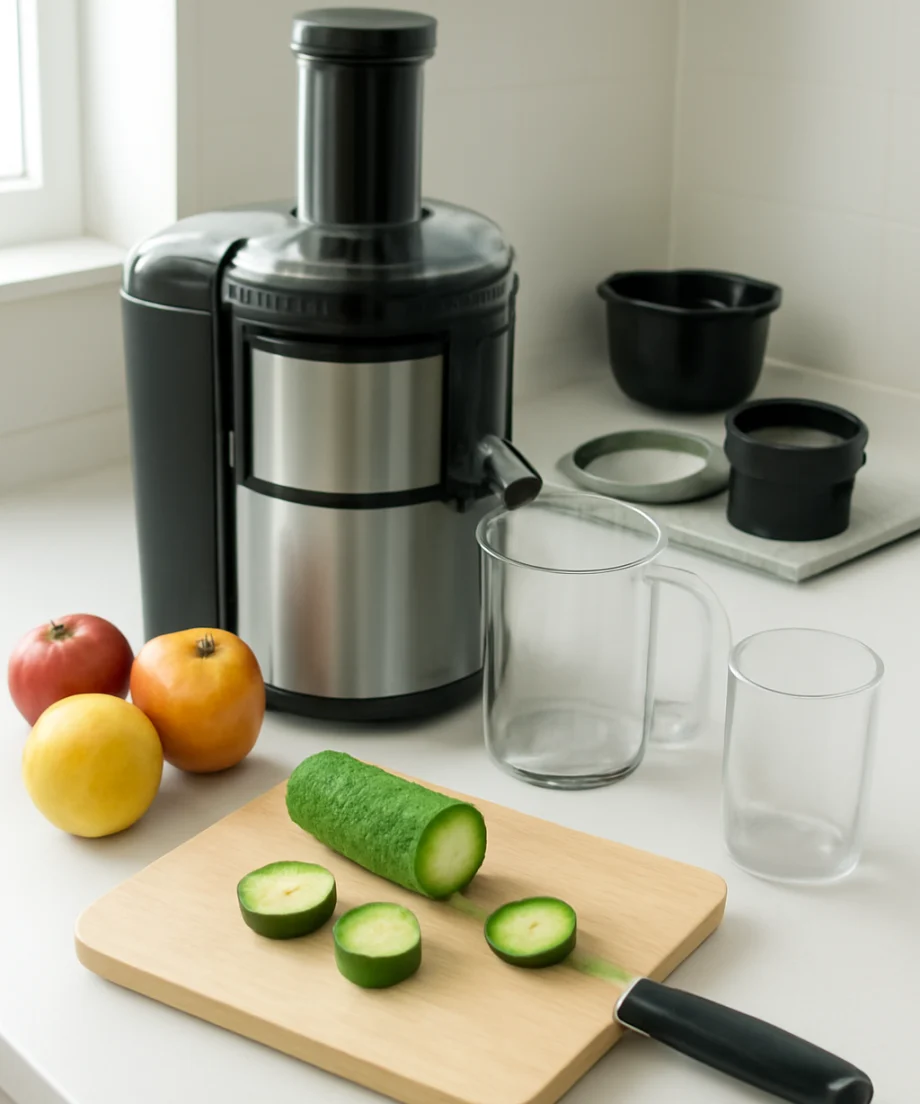
Clean and Safe Juicing Station Checklist
Before you start
- Clear the counter. Remove unrelated items, dish towels, mail, and anything that could come into contact with the produce or finished juice. A clear work surface makes it easier to notice spills and keep clean tools separate from used ones.
- Wash your hands. Use soap and clean running water, rubbing all hand surfaces for at least 20 seconds before handling ingredients. Wash again after touching a phone, trash, raw animal foods, or other potentially contaminated surfaces.
- Inspect the juicer. Make sure the machine is unplugged while you check the basket, feed chute, pulp container, lid, and seals. Look for old residue, cracks, loose parts, or buildup that could affect safe use. Follow the current manufacturer instructions for assembly and cleaning.
- Prepare clean tools. Set out a clean knife, cutting board, measuring spoon, strainer, and serving glasses. Keep clean tools away from the sink area if dirty dishes are nearby.
- Check the ingredients. Discard produce with extensive mold, a strong off odor, leaking areas, or significant spoilage. Do not assume that cutting away visible damage makes heavily spoiled produce safe to juice.
Wash and prepare the produce
- Wash the cucumber and apples. Rinse them under cool running water and rub the surfaces with clean hands. Use a produce brush for firm items when appropriate. Do not use soap, bleach, detergent, or commercial cleaning chemicals on fruits and vegetables.
- Wash the lemon. Rinse the outside even if you plan to remove the peel. A knife can transfer surface debris from the peel to the cut fruit or cutting board.
- Dry or drain the produce. Excess water is not dangerous by itself, but draining the ingredients helps keep the work area less slippery and prevents unnecessary splashing.
- Cut ingredients to fit the feed chute. Cut the cucumber and apples into pieces that match the juicer opening. Remove apple stems and cut away any damaged sections. Follow the juicer manual for guidance on seeds, cores, and appropriate produce sizes.
- Prepare the lemon separately. Peel the lemon if your juicer instructions do not recommend processing citrus peel. Remove visible seeds, then cut the lemon into pieces that fit the machine.
How to Make Cucumber, Apple, and Lemon Juice
- Place the juicer on a stable, dry surface with the power cord positioned away from water and the edge of the counter.
- Set the juice container beneath the outlet and confirm that the pulp container is securely in place.
- Turn on the juicer according to the manufacturer’s instructions. Add the cucumber pieces slowly, using only the supplied pusher. Never use your fingers, a spoon, or a knife to push produce into the feed chute.
- Add the apple pieces one at a time. Alternate apple and cucumber pieces if your machine handles mixed produce more smoothly that way.
- Add the prepared lemon pieces last. Stop the machine if it becomes clogged, unplug it, and follow the manufacturer’s instructions for clearing the blockage.
- Stir the juice gently. If the flavor is especially concentrated, add 2 tablespoons of cold water, taste, and add up to 2 more tablespoons if desired.
- Pour the juice into clean glasses over ice, or serve it chilled without ice. Taste before serving and adjust only with water or additional lemon; do not add ingredients that mask an off odor or signs of spoilage.
Food-Safety Practices After Juicing
Fresh juice is perishable because it has been cut, crushed, and exposed to equipment and air. It is safest to drink it promptly rather than leaving it at room temperature. If you are not serving it right away, pour it into a clean, covered container and refrigerate it promptly. Keep the refrigerator at 40°F or below, and follow current guidance from reliable food-safety authorities for refrigerated fresh juice.
Do not pour fresh juice into a container that previously held another drink unless it has been thoroughly washed and dried. Leave as little empty space as practical, seal the container, label it with the preparation date, and use it as soon as possible. If the juice develops an unusual smell, flavor, appearance, gas, or separation that concerns you, discard it rather than tasting it repeatedly to decide whether it is safe.
Clean the juicer immediately after use. Unplug the appliance, separate removable parts, and rinse away pulp before it dries. Wash parts with warm water and dish soap as directed by the manufacturer. Some components may be dishwasher-safe, but verify this in the current manual rather than assuming. Let parts air-dry completely before reassembly or storage. Wipe the motor base with a damp cloth; never immerse it in water.
Wash the cutting board, knife, counter, sink, and any splashed surfaces. Replace visibly dirty towels and wash reusable cloths regularly. For additional storage and handling information, see the Food Safety & Storage section.
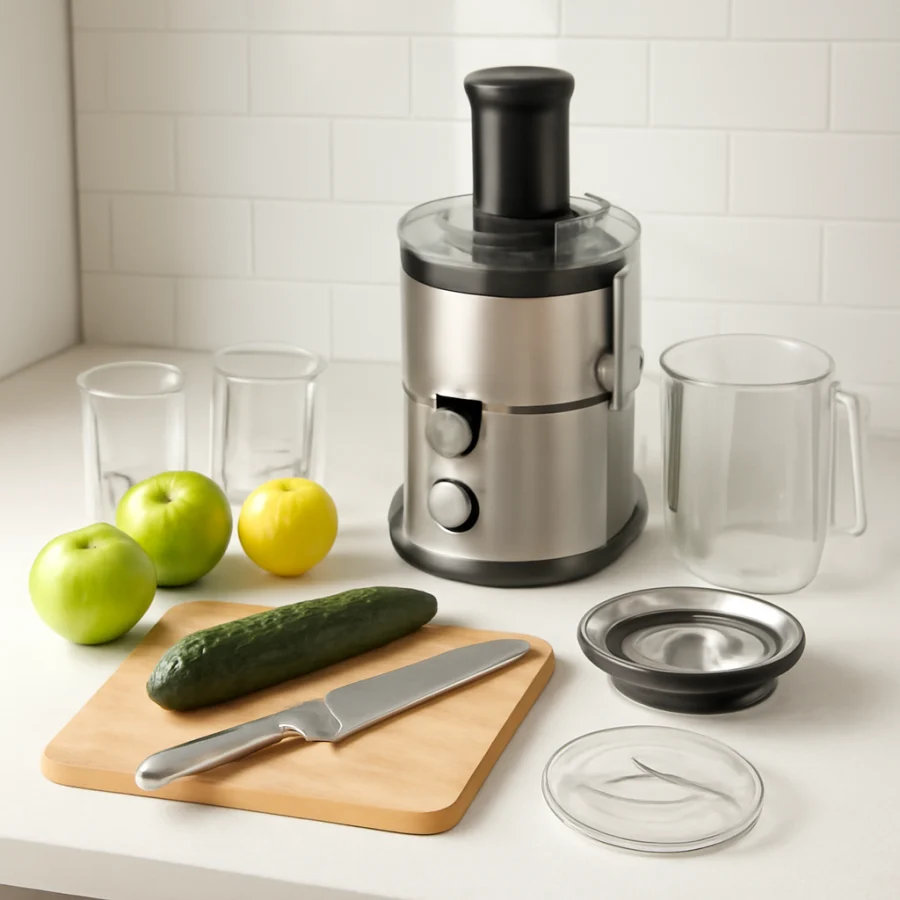
Helpful Tips and Ingredient Alternatives
- For a less tart drink: Use a sweeter apple and begin with half a lemon.
- For a sharper flavor: Use a tart apple such as Granny Smith and add the full lemon gradually.
- For a thinner texture: Stir in cold water a tablespoon at a time.
- For a different produce combination: Replace part of the cucumber with celery or use a peeled pear in place of one apple. Wash and prepare all substitutions using the same food-safety steps.
- For less pulp: Pour the juice through a clean fine-mesh strainer. Wash the strainer promptly because fine pulp can dry quickly.
- For easier cleanup: Keep a compost or waste bowl beside the juicer, but do not allow it to touch clean produce, utensils, or the juice container.
- For serving: Use clean glasses and add a cucumber ribbon or lemon wedge only after washing the garnish. Serve immediately for the freshest texture.
If you are comparing different preparation methods, the site’s juicing and blending resources can help explain how equipment changes texture, pulp, and cleanup.
Choosing Equipment for a Safer Juicing Station
A good juicer is not defined only by speed or the amount of juice it produces. Look for a model with removable parts that are easy to inspect, clear assembly instructions, stable feet, and a feed chute that allows ingredients to be added without placing hands near moving parts. Dishwasher guidance, replacement-part information, and a readable safety manual are also practical considerations.
Before buying or using any appliance, check the current manufacturer information for cleaning instructions, approved foods, operating limits, and electrical precautions. Product designs and instructions can change, so do not rely on an old review or a secondhand description for safety details.
Frequently Asked Questions
Can I make this juice in a blender?
Yes. Blend the washed, chopped ingredients with a small amount of cold water, then pour the mixture through a clean fine-mesh strainer if you want a thinner drink. Follow the blender manufacturer’s instructions and avoid overfilling the jar.
Should I peel the cucumber?
Not necessarily. The cucumber peel can remain if the cucumber is thoroughly washed and the texture is acceptable to you. Peel it if the skin is waxy, tough, damaged, or likely to affect the flavor.
How long can fresh juice sit out?
Fresh juice should not be left at room temperature for extended periods. Serve it promptly, refrigerate leftovers in a clean covered container, and use conservative food-safety judgment. When in doubt about time or temperature control, discard it.
Can I prepare the juice the night before?
You can prepare it ahead, but the best practice is to make only what you expect to use soon. Refrigerate it promptly in a clean, sealed container and check it before serving. Do not prepare a large batch for prolonged storage without following reliable current food-safety guidance.
What if my juice separates?
Some separation is normal in fresh juice. Stir it gently before serving. Separation alone does not confirm that a drink is spoiled, but an off odor, unusual gas, mold, or other concerning change means it should be discarded.
A consistent clean and safe juicing station checklist makes homemade drinks easier to prepare and easier to enjoy responsibly. Start with clean hands and sound produce, keep raw ingredients and finished juice protected, operate the machine safely, and wash every removable part promptly when you finish.



Comments
0No comments yet. Be the first to share a helpful note or question.
Leave a Comment
Your email address will not be published. Comments are reviewed before appearing on the site.