
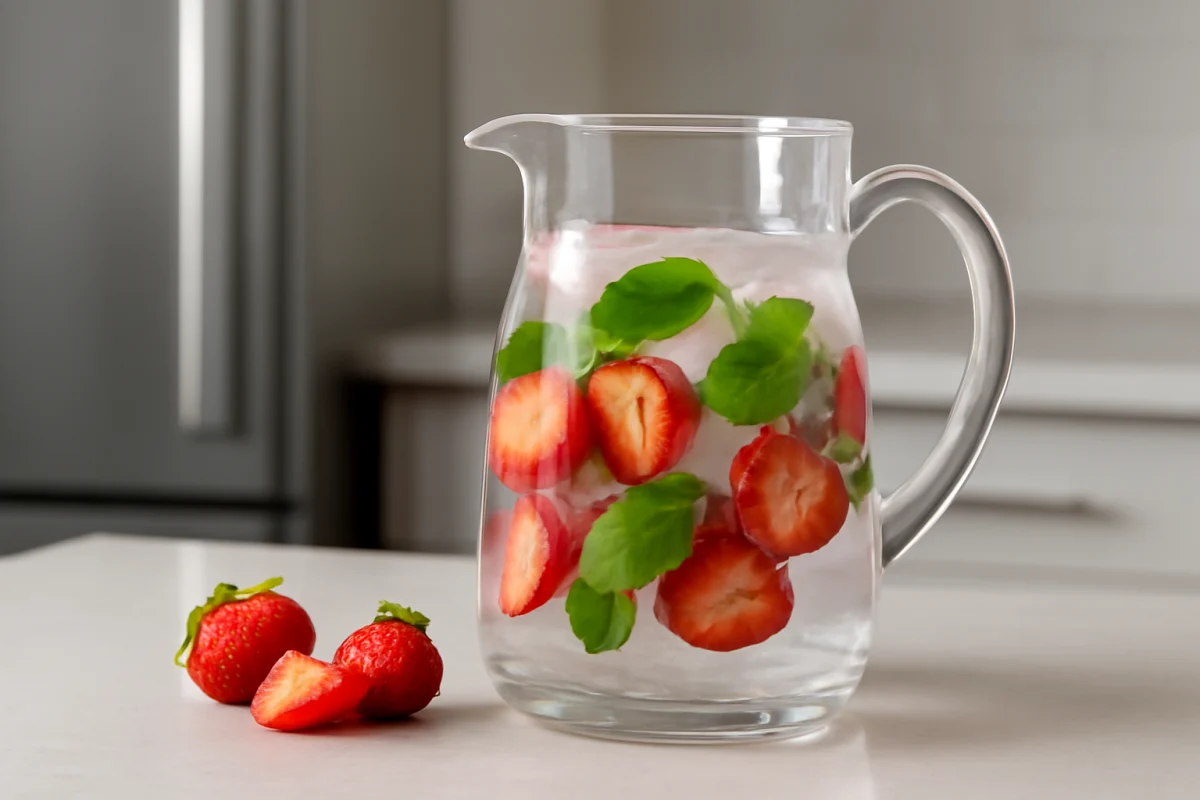
The safest way to store infused water is to refrigerate it promptly in a clean, covered container and use it within a short period, especially when fresh fruit or herbs are involved. For a practical recipe, try strawberry-basil infused water: it offers a refreshing flavor without added sweeteners, and careful storage helps maintain its quality. For more recipes and practical drink guidance, visit homemade detox drinks.
Infused water is not a detox treatment or a replacement for balanced meals. It is simply water flavored with fruits, vegetables, herbs, or spices. The ingredients can make plain water more appealing, which may help some people choose water more often. Because cut produce can carry bacteria and spoil more quickly than whole produce, preparation and storage matter.
Strawberry-Basil Infused Water at a Glance
- Prep time: 10 minutes
- Infusion time: 30 minutes to 2 hours
- Total time: About 2 hours and 10 minutes
- Servings: 4 cups, or 2 large servings
Ingredients
- 4 cups cold drinking water
- 4 medium strawberries
- 4 to 6 fresh basil leaves
- 1 teaspoon fresh lemon juice, optional
- Ice, for serving, optional
Choose firm strawberries without mold, leaking juice, or damaged areas. Fresh basil should look perky and free of slimy or discolored leaves. Filtered water is not required if your tap water is safe to drink, although you can use chilled filtered water if you prefer its taste.
How to Make Strawberry-Basil Infused Water
- Wash your hands and equipment. Wash your hands with soap and water before handling the produce. Clean the pitcher, knife, cutting board, and any reusable bottle you plan to use.
- Rinse the produce. Rinse the strawberries and basil under cool running water. Do not use soap, bleach, or household cleaners on produce. Gently rub the strawberries with clean fingers, then drain them well.
- Prepare the strawberries. Remove the green tops and slice the berries into thin pieces. Discard any bruised or moldy sections. If a strawberry has visible mold, discard the whole berry rather than cutting around the affected spot.
- Bruise the basil lightly. Gently clap or press the basil leaves between clean fingers to release aroma. Avoid tearing them into tiny pieces, which can make the water cloudy and leave more plant material floating in the drink.
- Combine the ingredients. Place the strawberries and basil in a clean, covered pitcher. Add the water and optional lemon juice.
- Chill promptly. Cover the pitcher and place it in the refrigerator. Let the water infuse for 30 minutes to 2 hours. Taste it before serving; a longer infusion is not always better because fruit can become soft and the flavor may turn overly tart or vegetal.
- Serve safely. Pour the water into clean glasses over ice, if desired. If you are serving it outdoors or at a gathering, keep the pitcher cold and return it to the refrigerator rather than leaving it at room temperature for extended periods.
How to Store Infused Water Safely
Store the covered pitcher in a refrigerator at or below 40°F. Refrigeration slows the growth of microorganisms, but it does not make infused water shelf-stable. Keep the container away from raw meat, poultry, seafood, and eggs to reduce the chance of cross-contamination.
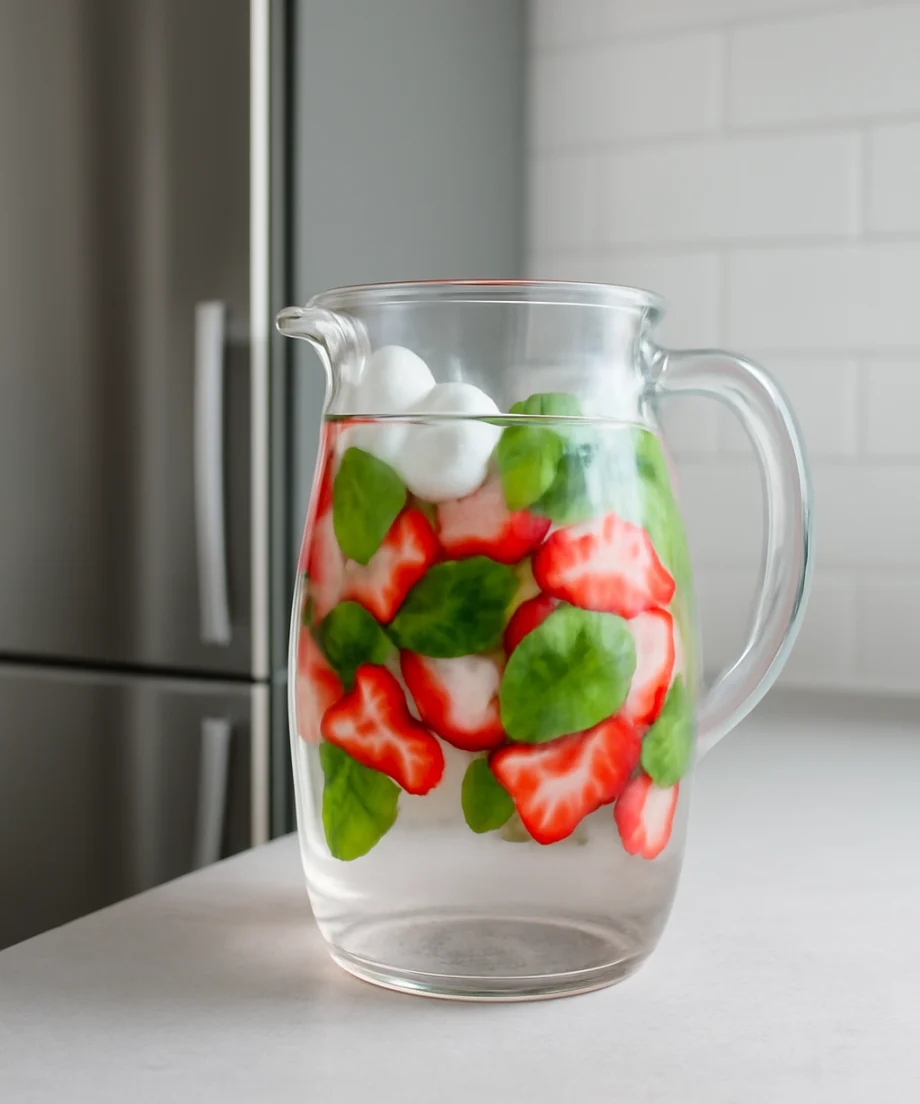
For the best quality, drink strawberry-basil infused water within 24 hours. You may remove the fruit and herbs after the initial infusion if you prefer a cleaner flavor and texture. If the water still smells and tastes fresh, it can generally be used later within a short refrigerated storage period, but the safest approach is to prepare only as much as you expect to drink that day.
When in doubt, throw it out. Discard the water if it develops an unpleasant odor, unusual cloudiness, a fizzy quality, slimy fruit, visible mold, or an off taste. Do not taste a questionable drink repeatedly to decide whether it is safe. For broader guidance, consult the site’s food safety and storage guides and reliable current food-safety authorities.
Room-temperature and outdoor serving limits
Do not leave fresh-fruit infused water sitting out all day. Perishable foods and drinks should not remain in the temperature danger zone for long periods. A practical approach is to serve a small amount at a time, keep the main container refrigerated, and use an insulated cooler with sufficient ice when transporting it.
If the pitcher has been used for self-service, avoid topping it off with new water and fresh ingredients without washing the container. Empty it, clean it thoroughly, and prepare a new batch. This simple step helps prevent old fruit residue from carrying over into the next serving.
What Helps Preserve Flavor and Nutrient Quality?
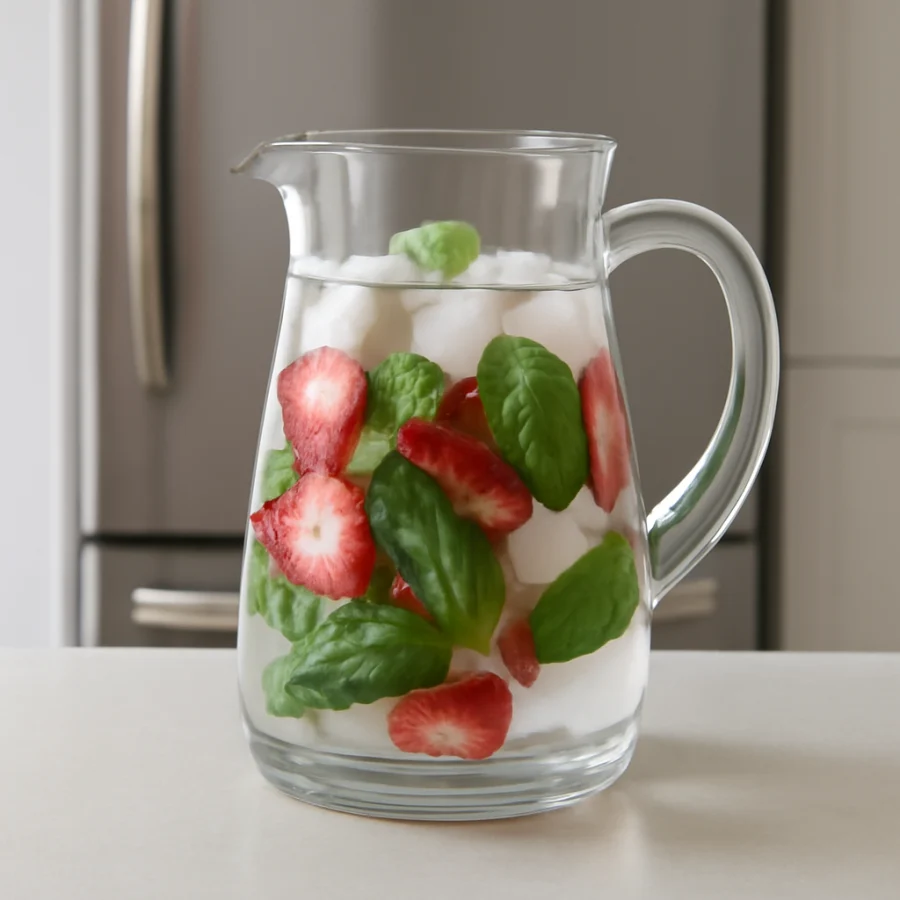
Fresh produce contains naturally occurring nutrients and plant compounds, but the amount retained in the water varies. Infused water is not a reliable way to obtain a measured amount of vitamins or minerals because much of the produce remains in the pitcher and only some soluble compounds move into the water. The longer fruit is cut and exposed to air, light, and water, the more its texture and flavor can change.
Use these quality-focused practices:
- Start with fresh produce. Fresh, undamaged ingredients generally provide better flavor and hold up longer than overripe produce.
- Cut just before use. Preparing the strawberries shortly before infusion limits unnecessary exposure to air.
- Keep the pitcher covered. A lid helps protect the drink from refrigerator odors, airborne particles, and accidental spills.
- Keep it cold. A consistently cold refrigerator is better than repeated warming and chilling.
- Protect it from light. An opaque or tinted container may help preserve appearance and reduce exposure to light, although cleanliness and refrigeration are more important.
- Avoid excessive handling. Use clean utensils and do not place used straws, hands, or tasting spoons into the pitcher.
- Make smaller batches. A two- or four-cup batch is often easier to finish while the flavor is at its best.
Ingredient Alternatives
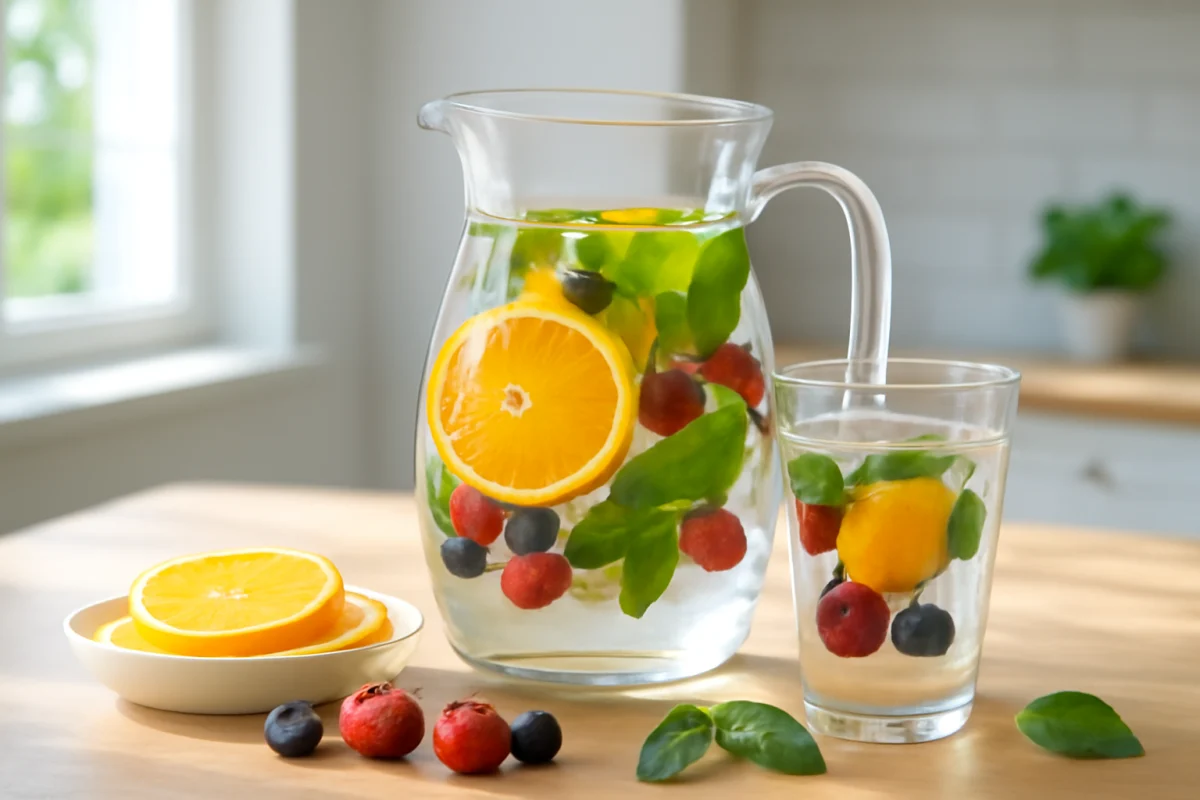
You can adapt this recipe while keeping the same storage principles. Replace strawberries with sliced peaches, oranges, apples, pineapple, or cucumber. Try mint, rosemary, thyme, or a small piece of fresh ginger instead of basil. If using citrus slices with the peel, scrub the whole fruit under running water before slicing. Citrus peel can add bitterness during a long infusion, so remove the slices when the flavor becomes strong.
Frozen fruit can chill the drink and add flavor, but choose plain frozen fruit without added sugar or syrup. It should remain frozen until use and be handled with clean utensils. For a less delicate option, add a small amount of freshly grated ginger or a cinnamon stick, then remove the solid ingredients before storage if the flavor becomes intense.
If you want a more substantial fruit flavor, consider blending or juicing separately rather than leaving large amounts of pulp in a pitcher for days. Blended and juiced drinks have their own storage considerations; the juicing and blending guides can help you compare preparation methods.
Serving Suggestions
Serve the strawberry-basil water with a meal, after light activity, or whenever you want an unsweetened alternative to soda or a flavored drink. Pour it over ice just before drinking instead of storing it with a large amount of ice, which can dilute the flavor as it melts. For a party, use a small serving pitcher and refill it from a refrigerated batch rather than leaving the full supply on the table.
You can also freeze a few strawberry slices or basil leaves in ice cubes, provided the ingredients were washed and handled safely. Add the cubes to individual glasses shortly before serving. This keeps the presentation attractive without repeatedly opening the main pitcher.
Common Storage Mistakes to Avoid
- Keeping it on the counter overnight: Fresh fruit and herbs should not be treated like shelf-stable flavorings.
- Using unwashed produce: Rinsing whole ingredients before cutting helps reduce surface contamination.
- Storing it uncovered: An uncovered pitcher can absorb refrigerator odors and be exposed to spills or contaminants.
- Using a dirty reusable bottle: Wash and dry bottles according to the manufacturer’s instructions, paying attention to caps, threads, and rubber seals.
- Leaving fruit in the water indefinitely: Long storage can produce mushy pieces, bitterness, and a less appealing drink.
- Relying on smell alone: Some harmful microorganisms do not create an obvious odor or visible change, so time and temperature still matter.
Frequently Asked Questions
How long does homemade infused water last in the refrigerator?
For the best flavor and quality, use fresh-fruit infused water within 24 hours. If you remove the produce and the water remains properly refrigerated, it may stay acceptable for a short additional period, but preparing smaller batches is the more cautious choice.
Can infused water sit out during a workout or picnic?
It is better to keep it in an insulated cooler with ice and serve small portions. Do not leave a fresh-fruit drink at room temperature for an extended period. When the temperature history is uncertain, discard the remaining drink.
Should I eat the fruit after infusing the water?
You can eat the fruit if it has been handled safely and still looks and smells fresh, but it may be soft or less flavorful. Discard it if it has been left warm, shows spoilage, or has an unusual texture.
Does storing infused water in glass preserve nutrients better?
Glass is easy to clean and does not typically retain flavors, but the container material is not a guarantee of nutrient retention. Cleanliness, a tight cover, refrigeration, fresh ingredients, and short storage are more important factors.
Can I prepare infused water several days ahead?
For fresh fruit and herbs, making it several days ahead is not recommended. Prepare a modest batch, refrigerate it promptly, and refresh it daily or as needed. For additional recipe ideas, visit the drink recipes section.
Safe storage makes infused water easier to enjoy without unnecessary waste. Start with clean, fresh ingredients, refrigerate the covered drink promptly, limit the storage time, and discard anything that seems questionable. These habits support a refreshing beverage while keeping expectations realistic: infused water adds flavor to hydration, but it does not remove toxins, treat illness, guarantee weight loss, or replace a balanced eating pattern.


Comments
0No comments yet. Be the first to share a helpful note or question.
Leave a Comment
Your email address will not be published. Comments are reviewed before appearing on the site.