
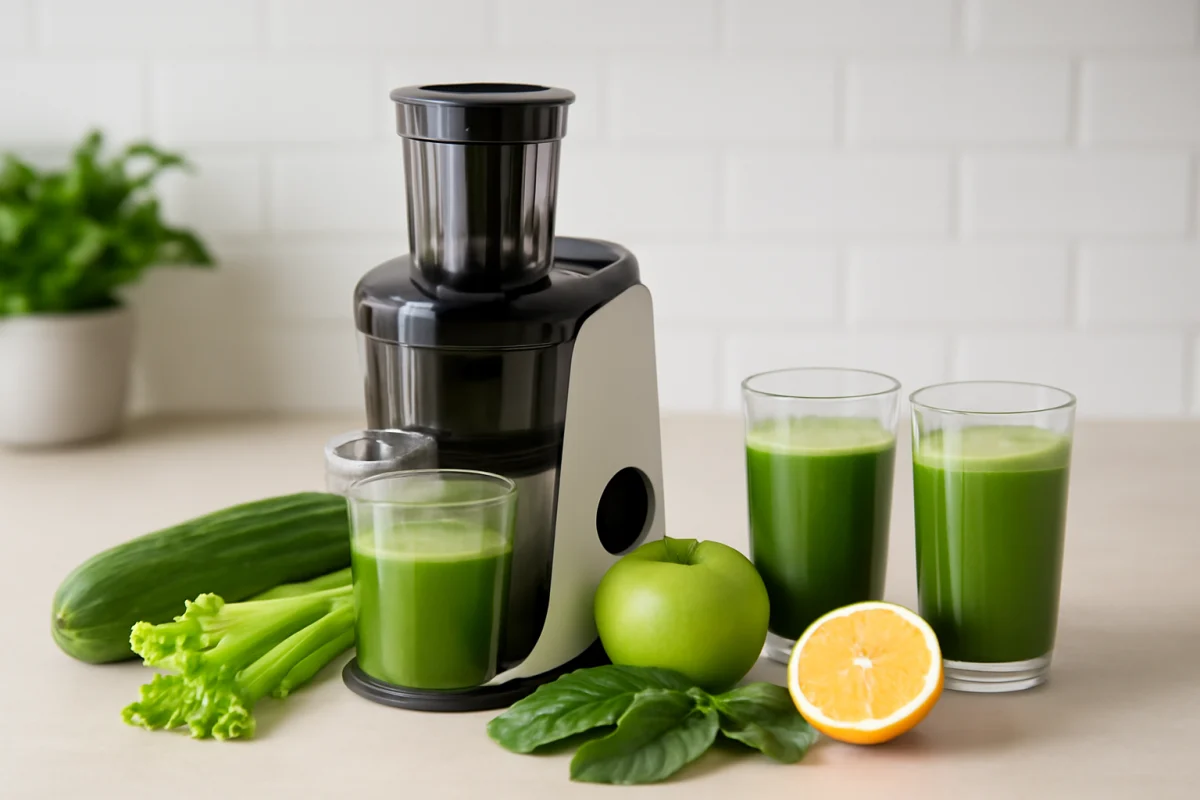
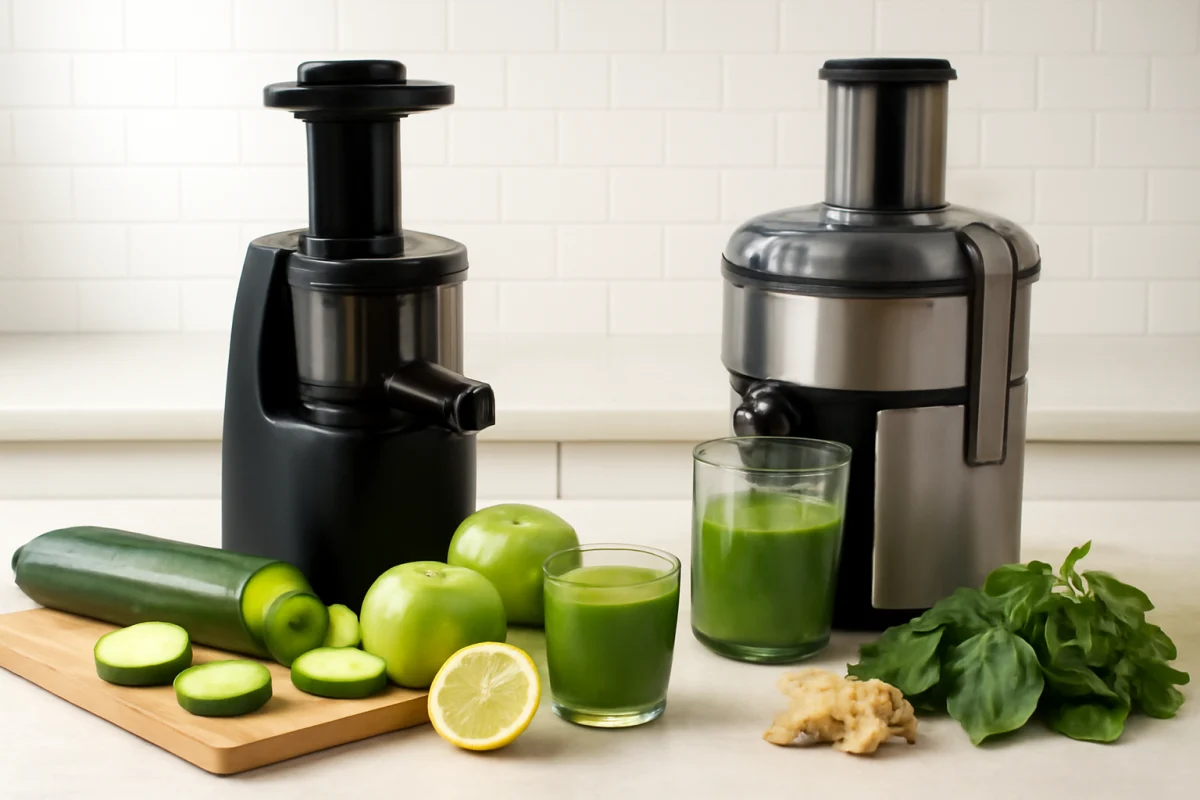
The best way to judge a juicer is to consider how it handles the drinks you actually plan to make. This beginner green juice recipe is a useful, practical test because it combines leafy greens, firm produce, and juicy ingredients. User reviews and ratings can then help you evaluate whether a juicer is easy to feed, comfortable to clean, and suitable for your routine—not just impressive in a product description. For more recipes and practical drink guidance, visit natural cleanse drinks.
This recipe makes a fresh, lightly sweet green juice with cucumber, celery, green apple, lemon, and spinach. It is intended as a beverage to enjoy alongside a varied diet, not as a replacement for balanced meals or professional care. If you are comparing machines, notice how reviewers describe everyday details such as pulp handling, noise, assembly, storage, and cleanup. Those comments often reveal the true value of a juicer more clearly than a list of features.
Why This Beginner Green Juice Recipe Is Worth Trying
A simple green juice can show you how a juicer performs across several ingredient textures. Cucumber and lemon contribute plenty of liquid, celery has firm fibrous stalks, apple adds sweetness and body, and spinach can challenge a machine that struggles with leafy greens. You do not need expensive or unusual ingredients to learn whether a juicer suits your kitchen.
The flavor is fresh and bright, with the apple balancing the grassy notes of spinach and celery. Lemon adds acidity, while cucumber keeps the drink light. Because the ingredient list is short, it is also easy to adjust after your first batch. You can make it less sweet, more citrusy, or milder without changing the basic method.
Recipe at a Glance
- Preparation time: 10 minutes
- Total time: 15 minutes
- Servings: 2 small servings
- Equipment: Juicer, cutting board, knife, fine-mesh strainer if desired, and two glasses
Ingredients
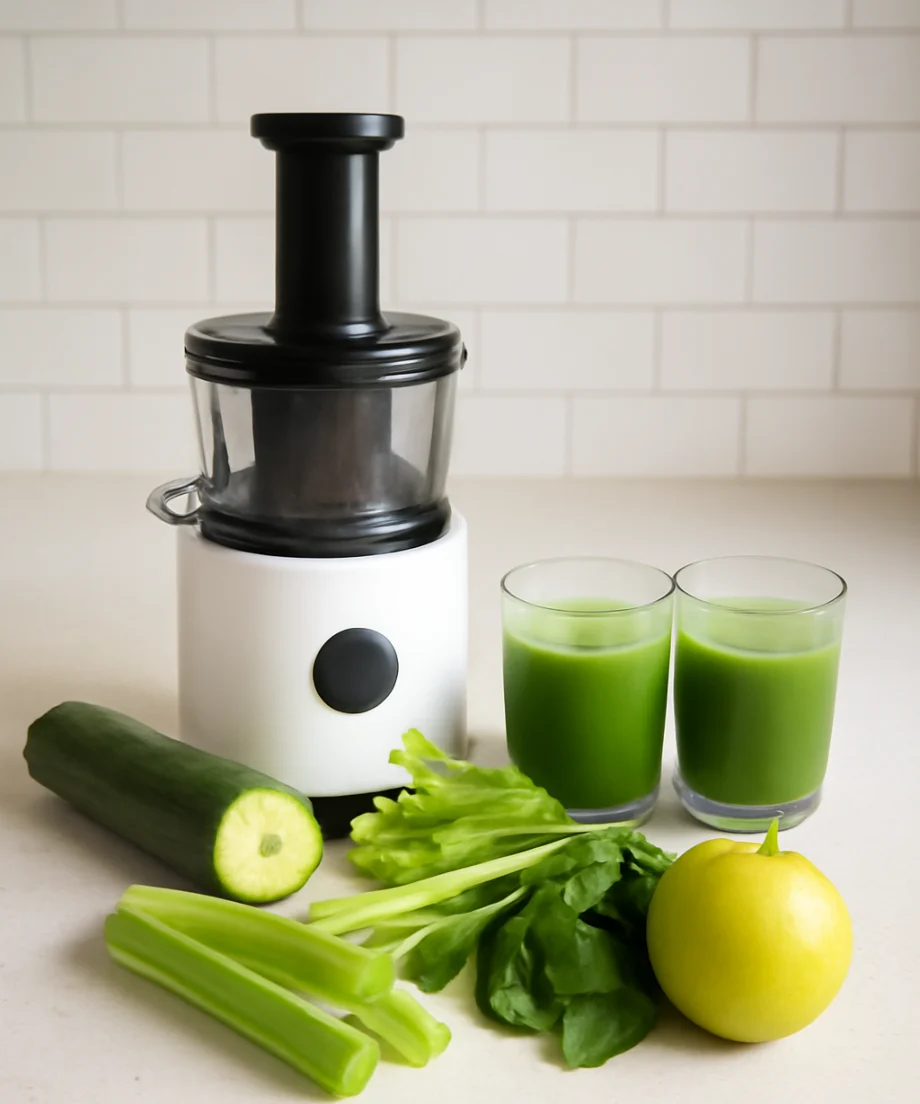
- 1 medium cucumber, rinsed and cut into pieces that fit your juicer chute
- 2 celery stalks, rinsed and cut into shorter pieces
- 1 medium green apple, rinsed, cored, and quartered
- 2 packed cups baby spinach, rinsed and drained
- 1/2 lemon, peeled and cut into sections, with seeds removed
- 1/2 cup cold water, optional for a lighter drink or blending adjustment
- Ice, optional, for serving
Use produce that is fresh and free from visible spoilage. If your juicer manufacturer gives specific instructions about citrus peel, seeds, or produce size, follow those instructions before preparing the ingredients.
How to Make the Green Juice
- Wash your hands and produce. Rinse the cucumber, celery, apple, spinach, and lemon under cool running water. Clean your work surface and utensils. Produce-washing guidance can change, so consult reliable current food-safety information when you have questions.
- Prepare the ingredients. Cut the produce into pieces appropriate for your machine. Remove the apple stem and core, peel the lemon, and remove visible seeds. Do not force large pieces into the chute.
- Start with the leafy greens. Feed the spinach in small handfuls, alternating with a piece of cucumber or apple if your juicer tends to leave greens in the pulp bin. This can help move softer ingredients through the machine.
- Juice the remaining produce. Process the celery, cucumber, apple, and lemon according to your machine’s instructions. Use the pusher only as directed, and never place your fingers or utensils into the chute while the juicer is running.
- Stir and taste. Pour the juice into a pitcher or glasses and stir. Add a small amount of cold water if the flavor is too concentrated. If the drink is too tart, add a little more apple juice from another apple rather than relying on added sugar.
- Serve promptly. Pour over ice if desired and enjoy soon after preparation for the freshest flavor and texture.
How the Recipe Helps You Evaluate a Juicer
A juicer that looks attractive on a store page may still be inconvenient for your habits. User reviews are most useful when they describe repeated, specific experiences rather than simply assigning a star rating. As you read, look for comments related to this recipe and your likely routine.
Leafy-green performance
Search reviews for practical descriptions of spinach, kale, herbs, or other soft ingredients. A reviewer who explains whether greens come out damp, wrap around a filter, or require repeated processing is giving you more useful information than a vague statement that the machine is “powerful.” No juicer extracts every ingredient in exactly the same way, so focus on patterns across multiple detailed reviews.
Chute size and preparation time
The apple and celery in this recipe must be cut to a safe size for the machine. Reviews can tell you whether users find that preparation manageable or tedious. A smaller chute is not automatically a problem, especially if you already enjoy careful prep. However, repeated complaints about extensive chopping may matter if you want a quick weekday drink.
Cleanup and pulp management
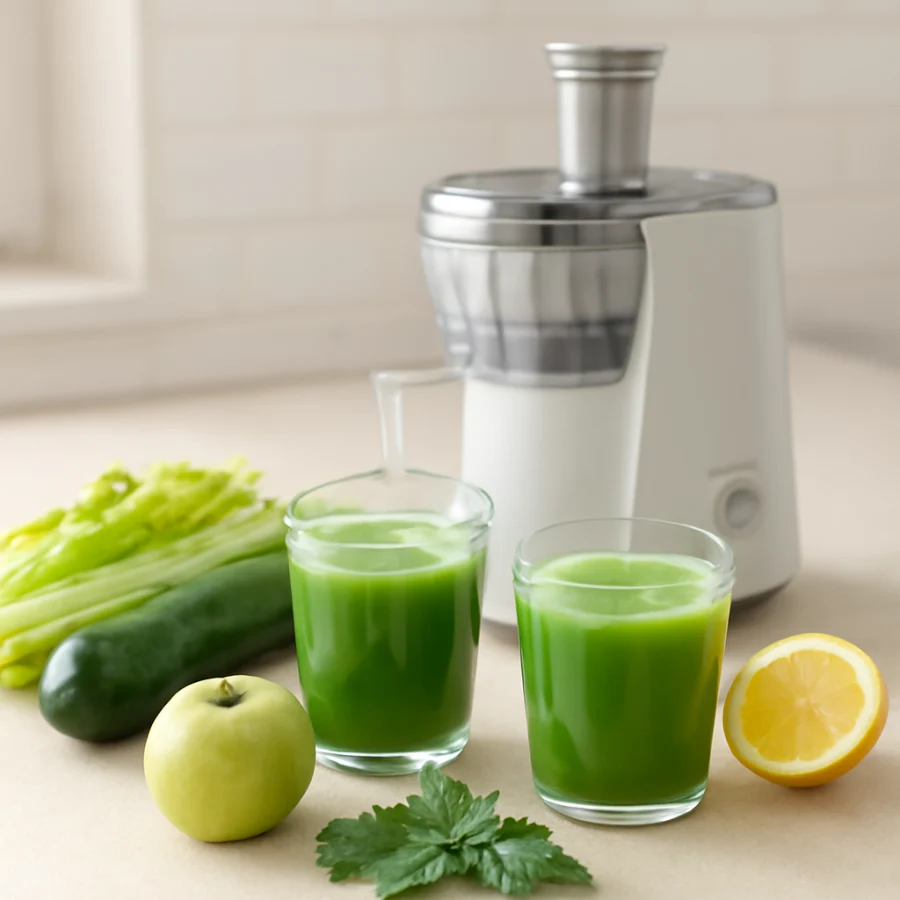
Cleanup is one of the strongest indicators of whether a juicer will become part of your routine. Look for details about how many parts need washing, whether pulp collects in awkward spaces, and whether the included brush is useful. Pay attention to reviewers who explain how long cleanup takes in their own kitchens, while remembering that individual routines differ.
Noise, stability, and storage
Reviews may reveal whether the machine moves on the counter, feels loud in a small apartment, or is difficult to store between uses. These practical concerns can outweigh extra settings that you may never use. A compact machine that is easy to reach may deliver more everyday value than a larger model that stays in a cabinet.
Review quality and consistency
Read both favorable and critical reviews, and check whether comments are consistent over time. A single complaint may describe a defective unit, unusual ingredients, or incorrect assembly. Several independent reviewers mentioning the same issue deserves more attention. Also verify current product specifications, warranty terms, included accessories, and care instructions through the manufacturer because those details can change.
Ingredient Alternatives
- For a sweeter flavor: Replace the green apple with a red apple or add half a ripe pear.
- For a milder celery note: Use one celery stalk and add extra cucumber.
- For a more peppery drink: Add a small piece of fresh ginger, if your juicer instructions allow it.
- For a different leafy green: Substitute a small amount of romaine or tender kale for the spinach. Tough stems may need trimming.
- For a citrus-free version: Omit the lemon and add a splash of cold water. The result will be less tart.
Make one change at a time if you are using the recipe to compare machines. That makes it easier to identify whether differences come from the juicer or from the ingredients.
Serving and Storage Tips
Serve the juice in chilled glasses with ice if you like a colder drink. A small pitcher is convenient when serving two people, but stir before pouring because natural separation is normal. Pair the juice with a meal or snack that includes satisfying foods rather than treating it as a complete substitute for eating.
For best quality, drink fresh juice promptly. If you need to store it briefly, transfer it to a clean, airtight container, fill it as close to the top as practical, refrigerate it promptly, and use it within a short period. Follow current food-safety guidance and your juicer’s care instructions. Discard juice that has an unusual odor, appearance, or flavor, and do not leave it at room temperature for extended periods. Wash removable juicer parts after use so residue does not dry onto filters or seals.
Frequently Asked Questions
Can this recipe be made in a blender?
Yes. Blend the ingredients with the optional water until smooth, then strain if you prefer a thinner drink. A blender retains more of the produce’s solid material, so the texture will differ from juice. Follow the blender manufacturer’s guidance for ingredient amounts and use.
What should I look for in juicer ratings?
Ratings can help you spot broad satisfaction or recurring problems, but the written comments usually provide more context. Look for repeated observations about cleanup, leafy greens, noise, durability, ease of assembly, and customer support. A high rating does not guarantee that a machine fits your needs.
Is a slow or masticating juicer always better?
Not necessarily. Different juicer designs involve tradeoffs in speed, size, price, preparation, cleanup, and handling of particular ingredients. Choose based on the drinks you plan to make and the habits you can maintain. Reviews from people using similar recipes may be more relevant than general comparisons.
Can I prepare this green juice ahead of time?
Fresh is preferable for flavor and texture. If preparing ahead is necessary, refrigerate the juice promptly in a clean airtight container and use it soon. Do not rely on a smell test alone to determine safety, and discard any juice that has been mishandled or left out too long.
Does this drink replace a balanced meal?
No. This recipe is a beverage and does not provide the variety of foods needed for a balanced eating pattern. Enjoy it with meals or snacks that meet your preferences and needs. If you have a medical condition, food allergy, or dietary concern, ask a qualified professional for personalized guidance.
For more preparation ideas, browse the site’s drink recipes and juicing and blending guides. When comparing equipment, the most valuable review is the one that helps you predict your own experience: how often you will use the machine, how much preparation it requires, and whether cleanup feels manageable every time.

Comments
0No comments yet. Be the first to share a helpful note or question.
Leave a Comment
Your email address will not be published. Comments are reviewed before appearing on the site.