
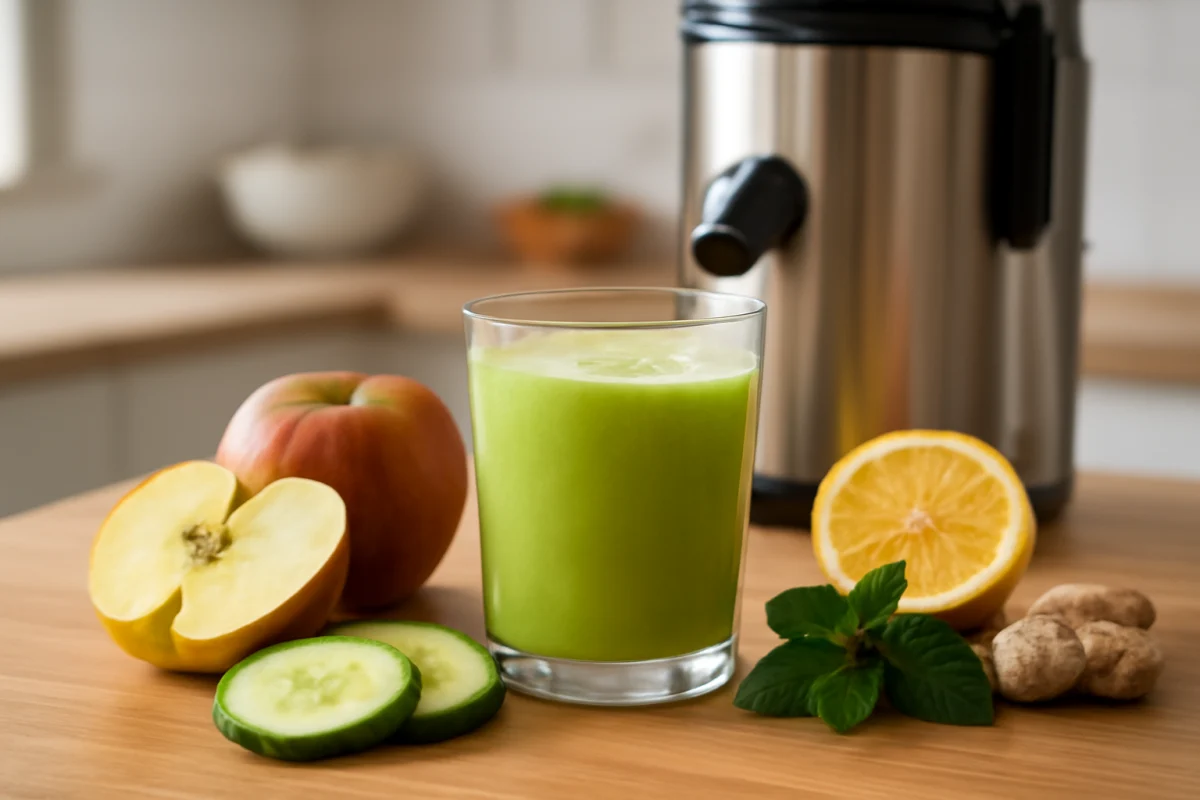
Cold-pressed juice is juice extracted with a hydraulic press rather than a high-speed spinning blade. The term describes the extraction method, not a guarantee that a drink is healthier, safer, fresher, or better for everyone. If you want to understand the label and try the flavor at home, this cucumber-apple-lemon juice is a simple place to start. For more recipes and practical drink guidance, visit refreshing detox drinks.
This recipe combines crisp cucumber, sweet apple, tart lemon, and fresh mint. It is refreshing without relying on added sugar, and it can help you compare the taste and texture of freshly made juice with the packaged drinks you see in a refrigerator case. It is a beverage to enjoy alongside regular meals and snacks—not a replacement for a balanced eating pattern or professional care.
What “cold-pressed” means on a juice label
In general, cold-pressed juice is made by first crushing produce and then applying pressure to separate the liquid from much of the pulp and fiber. Unlike a centrifugal juicer, which shreds produce with a rapidly spinning blade, a press does not depend primarily on high-speed spinning to extract the juice.
The word “cold” can be easy to misunderstand. Cold-pressed does not necessarily mean that the juice was never exposed to warmth. Friction during processing, transportation, storage, or filling can affect temperature. The exact process varies by producer, so check the current label or manufacturer information if a particular method matters to you.
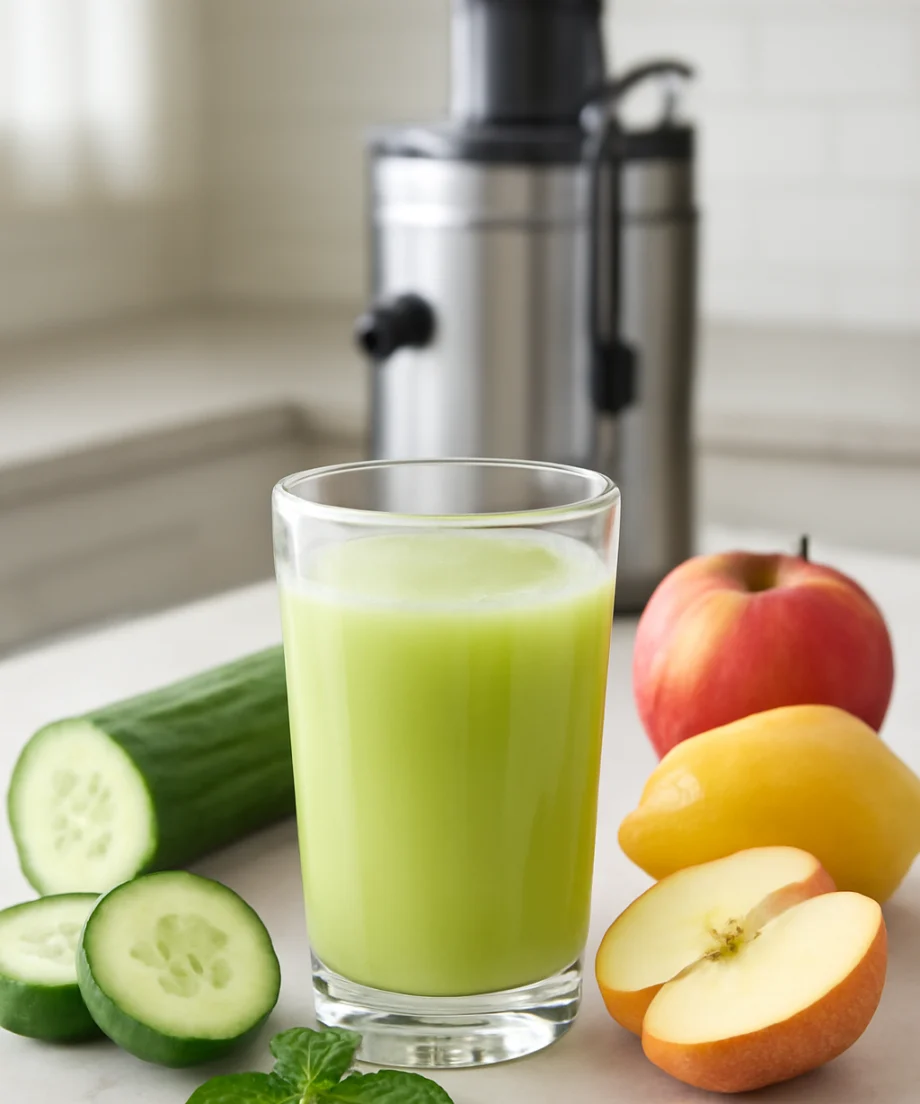
Cold-pressed also does not automatically mean raw, organic, unpasteurized, low in sugar, or free of preservatives. Some refrigerated juices are treated with high-pressure processing or another method intended to reduce microorganisms while preserving a fresh-style flavor. Other juices may be pasteurized. Read the label for details instead of assuming that the phrase “cold-pressed” answers every question.
How cold-pressed juice differs from other juice
Centrifugal juicing
A centrifugal juicer grates produce with a fast-spinning blade and uses centrifugal force to separate juice from pulp. It is often quick and convenient, especially for firm fruits and vegetables. The juice may develop foam or separate more noticeably, and the machine can produce a different texture from a press.
Blending
A blender breaks produce into a thicker mixture that usually retains more of the original pulp and fiber. If you strain a blended drink through a fine-mesh sieve or nut-milk bag, you will remove some of that material, but the result is not necessarily the same as juice made with a hydraulic press.
Packaged juice processing
Packaged cold-pressed juice may be bottled soon after extraction, but it still needs a defined safety and storage process. Look for the use-by date, refrigeration instructions, ingredient list, and any statement about pasteurization or high-pressure processing. A refrigerated bottle is not automatically safe to keep at room temperature, and an unopened product should be handled according to its label.
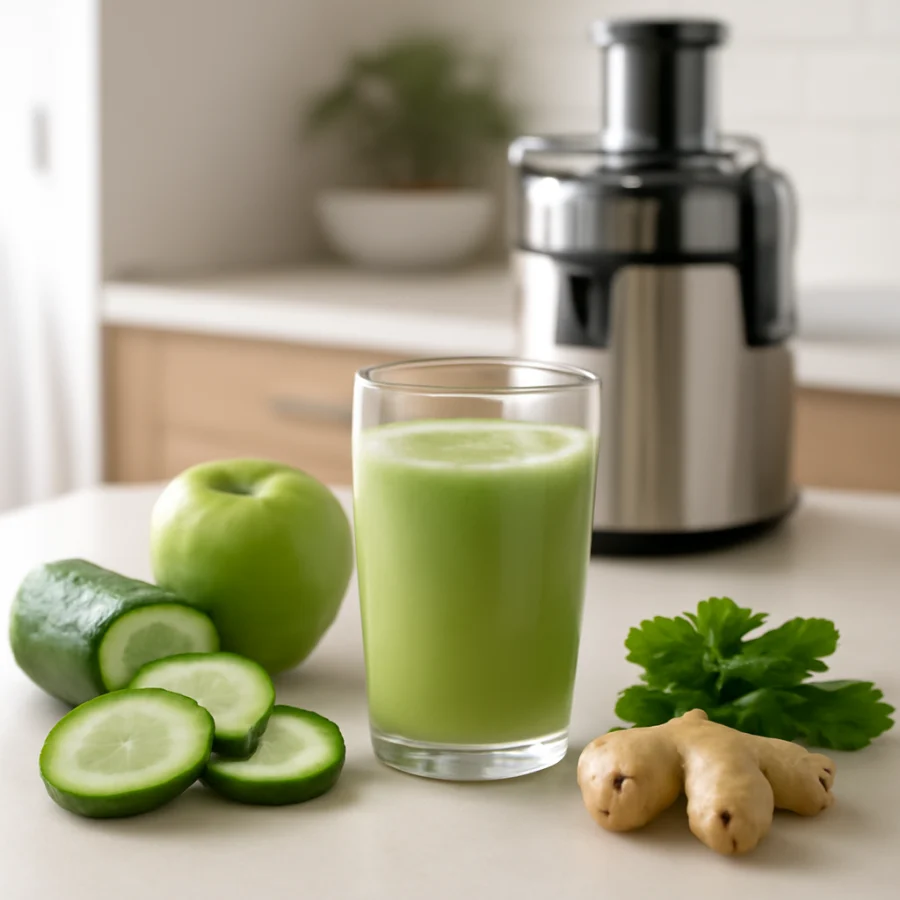
For more ingredient and preparation guidance, browse the Juicing & Blending section.
Cucumber-Apple-Lemon Cold-Pressed Juice
This recipe is designed for a home juicer. It works particularly well with a slow or masticating juicer, although the exact yield depends on the size and juiciness of your produce. The drink has a light green color, gentle sweetness, and a clean citrus finish.
- Preparation time: 15 minutes
- Total time: 20 minutes
- Servings: 2 small servings, about 8 ounces each
Ingredients
- 2 medium English cucumbers, about 1 pound total, rinsed
- 2 medium sweet-tart apples, such as Granny Smith, Honeycrisp, or Pink Lady, rinsed
- 1 medium lemon
- 8 to 10 fresh mint leaves, rinsed
- 1 small piece fresh ginger, about 1/2 inch, peeled if desired
- Ice, for serving, optional
Instructions
- Wash your hands and produce. Rinse the cucumbers, apples, lemon, mint, and ginger under cool running water. Use a clean produce brush for firm surfaces if needed. Do not use soap or household cleaners on produce.
- Prepare the ingredients. Trim the cucumber ends. Cut the apples into pieces that fit your juicer, and remove the stems. Follow your juicer’s instructions regarding seeds and cores. Peel the lemon if your machine requires it, then cut it into pieces. A small amount of lemon zest can add bitterness, so remove most of the peel unless your recipe specifically calls for it.
- Juice gradually. Feed the cucumber, apple, mint, ginger, and lemon through the machine in alternating handfuls. Alternating softer and firmer ingredients can help move the produce through some juicers, but follow the appliance’s instructions and never force food into the feed chute.
- Stir and taste. Pour the juice into a clean pitcher and stir. If the flavor is too tart, add another piece of apple rather than refined sweetener. If it is too sweet, add a little more lemon. Produce varies, so small adjustments are expected.
- Serve promptly. Pour into clean glasses over ice if desired. Stir again immediately before drinking because natural separation is normal.
Helpful ingredient alternatives
You can adapt this recipe without losing its basic character. Replace half of the cucumber with celery for a more savory drink, or use a small pear in place of one apple for a softer sweetness. Lime can replace lemon, although it may taste sharper. Parsley can stand in for mint if you prefer an herbal note.
If ginger is too intense, leave it out or use a very small slice. If you do not have a juicer, blend the ingredients with 1/2 to 1 cup of cold water, then strain the mixture through a fine-mesh sieve. Straining creates a thinner drink, while leaving it unstrained produces a thicker beverage with more pulp. Neither method is automatically superior; the best choice depends on the texture you enjoy and the equipment available.
Tips for better flavor and texture
- Chill the produce first. Refrigerated cucumbers and apples can produce a more refreshing drink without diluting it with much ice.
- Use flavorful apples. A very mild apple may produce a flat-tasting juice. A sweet-tart variety usually gives the drink more balance.
- Keep the ginger restrained. Ginger can become the dominant flavor quickly. Start with less and add more the next time if needed.
- Expect natural separation. Juice made from fresh produce is not always uniform. A quick stir is usually enough to recombine it.
- Do not judge a label by the process alone. Compare the ingredient list, added sugar information, serving size, refrigeration directions, and use-by date.
Serving ideas
Serve a small glass with breakfast, a snack, or a light meal. You can garnish it with a cucumber ribbon, a mint sprig, or a thin lemon wheel. For a sparkling variation, pour the finished juice into a glass and top it with a small amount of plain seltzer just before serving. This changes the texture and flavor without requiring added syrup.
Because juice is easy to drink quickly, pouring a modest serving and enjoying it slowly can make the experience more satisfying. If you want more fiber, pair the drink with whole fruit, vegetables, oats, beans, nuts, or another nourishing food rather than relying on juice alone.
Storage and food-safety notes
Fresh homemade juice has not been treated with a commercial process designed to extend shelf life or reduce microorganisms. For that reason, make only what you plan to drink soon. Refrigerate leftovers promptly in a clean, tightly covered container and keep the refrigerator at 40°F or below. For the best quality, use the juice within 24 hours.
Do not leave fresh juice sitting at room temperature for extended periods. Discard it if it has an unusual odor, visible mold, or a clearly spoiled appearance. Cleaning the juicer according to the manufacturer’s instructions after use is important because pulp and liquid can remain in small parts. For broader guidance, see the Food Safety & Storage resources.
Packaged juice should be stored exactly as the label directs. If the bottle says “keep refrigerated,” follow that instruction even when the product is described as cold-pressed. Check current product information because processing methods, ingredients, and storage directions can differ between products and may change over time.
Frequently asked questions
Is cold-pressed juice healthier than regular juice?
Not necessarily. Cold pressing describes how juice is extracted. It does not by itself establish the drink’s nutrient content, sugar level, safety, or role in your diet. Compare the full label and choose a drink that fits your preferences and routine.
Does cold-pressed mean unpasteurized?
No. Some cold-pressed juices are unpasteurized, while others receive pasteurization, high-pressure processing, or another treatment. Read the bottle for the current processing and safety information.
Can I make this recipe in a blender?
Yes. Blend the prepared ingredients with 1/2 to 1 cup of cold water, then strain if you want a juice-like texture. The unstrained version will be thicker and will retain more pulp.
How long does homemade cold-pressed juice last?
For the best quality, drink it soon after making it. If you have leftovers, refrigerate them promptly in a clean covered container and use them within 24 hours. When in doubt about safety or freshness, discard the juice.
Does this drink replace a meal or cleanse the body?
No. This recipe is simply a refreshing beverage. It should not be used as a restrictive cleanse, fasting plan, meal replacement, or treatment for a health condition. A varied eating pattern, adequate hydration, and appropriate professional guidance are more dependable foundations for well-being.
Understanding the term “cold-pressed” makes it easier to read juice labels with realistic expectations. The process may influence flavor, texture, and how a product is marketed, but the label still deserves a closer look. At home, this cucumber-apple version offers a fresh, flexible way to enjoy produce while keeping preparation and food safety straightforward.

Comments
0No comments yet. Be the first to share a helpful note or question.
Leave a Comment
Your email address will not be published. Comments are reviewed before appearing on the site.