
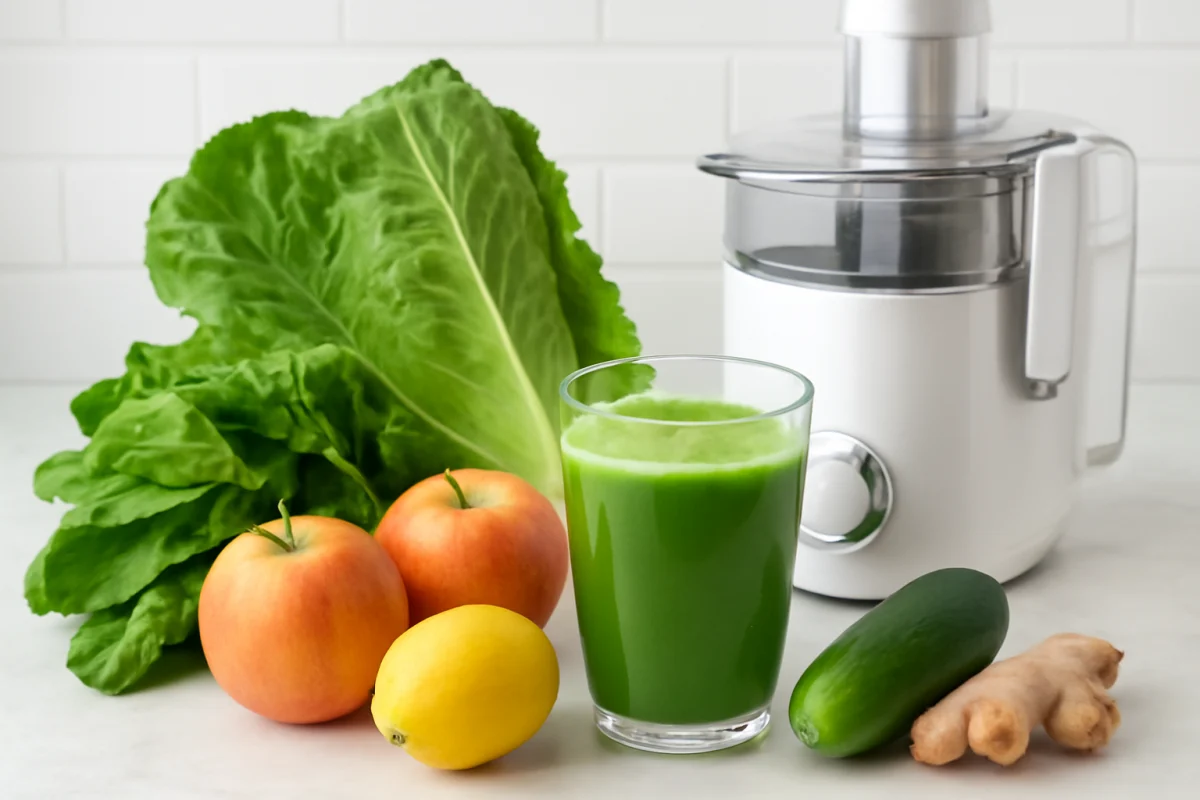
The best fruits that pair well with leafy greens in homemade juice are apples, citrus, pineapple, cucumber, pears, and mild berries. These ingredients can soften the earthy flavor of kale, spinach, romaine, or chard without relying on added sugar. A simple apple-lemon green juice is an approachable place to start because it tastes bright, uses widely available ingredients, and can be adjusted to suit your preferences. For more recipes and practical drink guidance, visit detox beverage ideas.
This recipe is designed as a fresh beverage to enjoy alongside a balanced meal or snack. It is not a substitute for a varied diet, and no juice can remove toxins, cure illness, or guarantee weight loss. The main appeal is its flavor, color, and convenient way to use a few servings of produce in one drink.
Apple-Lemon Green Juice at a Glance
- Preparation time: 10 minutes
- Total time: 15 minutes
- Makes: 2 servings, about 8 ounces each
- Best equipment: Juicer or high-speed blender
- Main flavor: Crisp, lightly sweet, lemony, and fresh
Ingredients
- 2 medium sweet-tart apples, such as Gala, Fuji, or Honeycrisp
- 2 packed cups baby spinach
- 1 packed cup chopped romaine lettuce
- 1/2 medium cucumber
- 1/2 lemon, peeled and seeded
- 1-inch piece fresh ginger, peeled, optional
- 1/2 cup cold water, only if using a blender
- Ice, for serving, optional
Use produce that is fresh, firm, and free from visible spoilage. If you prefer a less sweet drink, use one apple instead of two and add extra cucumber or romaine. For a sweeter flavor, choose ripe pears or add a few pineapple chunks. Because produce varies in size and juicer yield, the final volume may be slightly different from the estimate above.
How to Make This Homemade Green Juice
- Wash your hands and equipment. Clean your hands, cutting board, knife, juicer parts, blender jar, and strainer before beginning. Wash the produce under cool running water, even when you plan to peel it. Do not use soap or household cleaners on fruits and vegetables.
- Prepare the ingredients. Remove apple stems and cut the apples into pieces that fit your juicer chute. Peel and seed the lemon if needed. Cut the cucumber into manageable pieces and roughly chop the romaine. Peel the ginger if using it.
- Juice the produce. Feed the apples, spinach, romaine, cucumber, lemon, and ginger through the juicer, following the instructions for your machine. Alternating softer greens with firmer apple pieces can help move leafy ingredients through some juicers.
- Stir and taste. Pour the juice into a pitcher or two glasses and stir. If the flavor is too earthy, add another squeeze of lemon or a few more apple pieces during juicing. If it is too sharp, dilute it with cold water.
- Serve promptly. Pour over ice if desired and drink soon after preparation for the freshest flavor. Stir again just before serving because natural separation is normal.
Blender Method
If you do not have a juicer, chop the apples, cucumber, greens, lemon, and ginger into small pieces. Add them to a high-speed blender with the 1/2 cup of cold water. Blend until as smooth as possible. For a pulp-free drink, pour the mixture through a fine-mesh strainer or nut-milk bag into a clean container, pressing gently with a spoon. For more fiber and a thicker texture, skip straining and serve it as a blended produce drink.
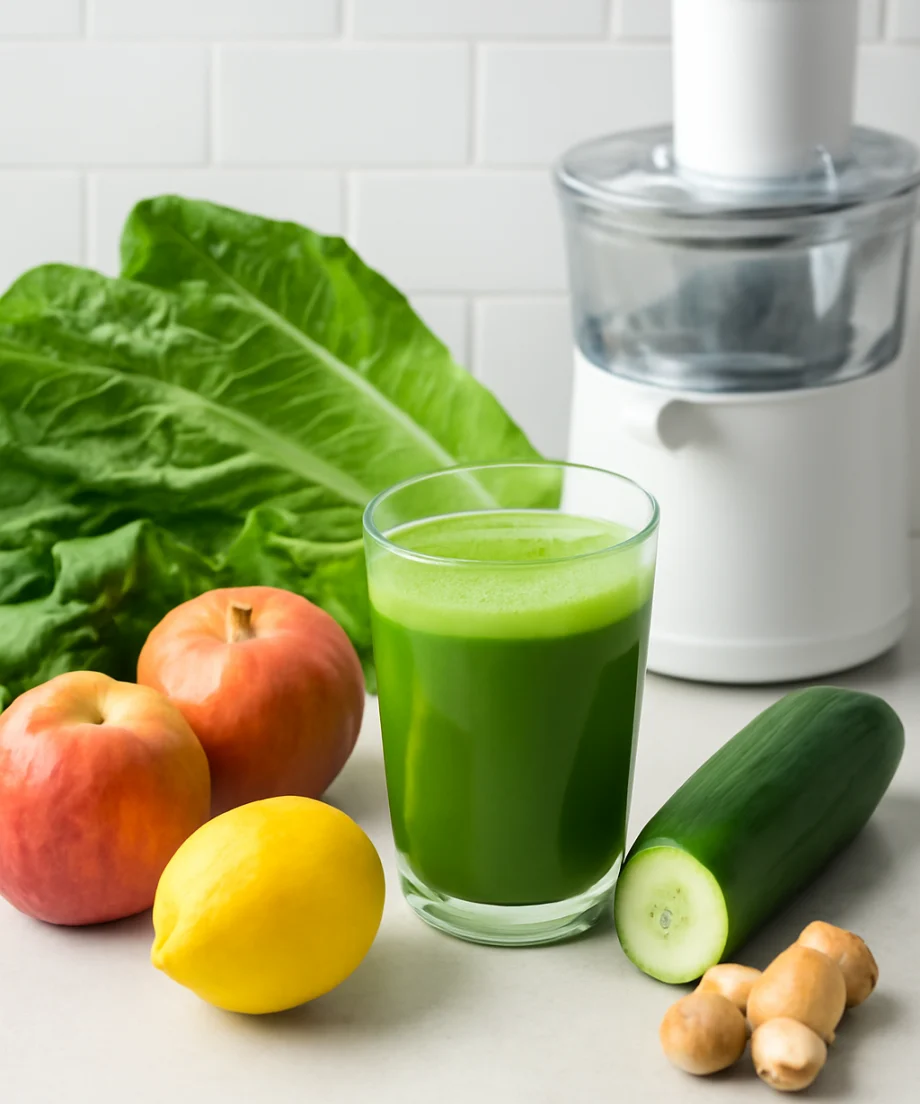
A blender method generally creates a different beverage from a juicer. The mixture may be thicker, more filling, and more textured because the blended produce remains in the drink. Either method can work; the better choice depends on whether you prefer a clear juice or a fiber-containing smoothie-like texture.
Why These Fruits Work with Leafy Greens
Leafy greens can taste grassy, peppery, or slightly bitter, especially when using mature kale, collards, or chard. Fruit contributes sweetness and acidity, which can make those flavors easier to balance. The amount you need depends on the green, the fruit’s ripeness, and your personal taste.
Apples
Apples are one of the most flexible choices for homemade green juice. They add crisp sweetness and enough water to help create a drinkable texture. Tart varieties bring more brightness, while sweeter varieties produce a rounder flavor. Keep the skin on if the apples are thoroughly washed and your equipment handles it well. Remove damaged sections, stems, and seeds before juicing.
Citrus
Lemon, lime, oranges, grapefruit, and mandarins can add a clean, lively note. Lemon and lime are especially useful when a juice tastes flat or overly grassy. Peel citrus before placing it in a juicer because the outer peel can be bitter and may not be suitable for the machine. Citrus can also make a drink taste sharper, so start with a small amount and adjust.
Pineapple
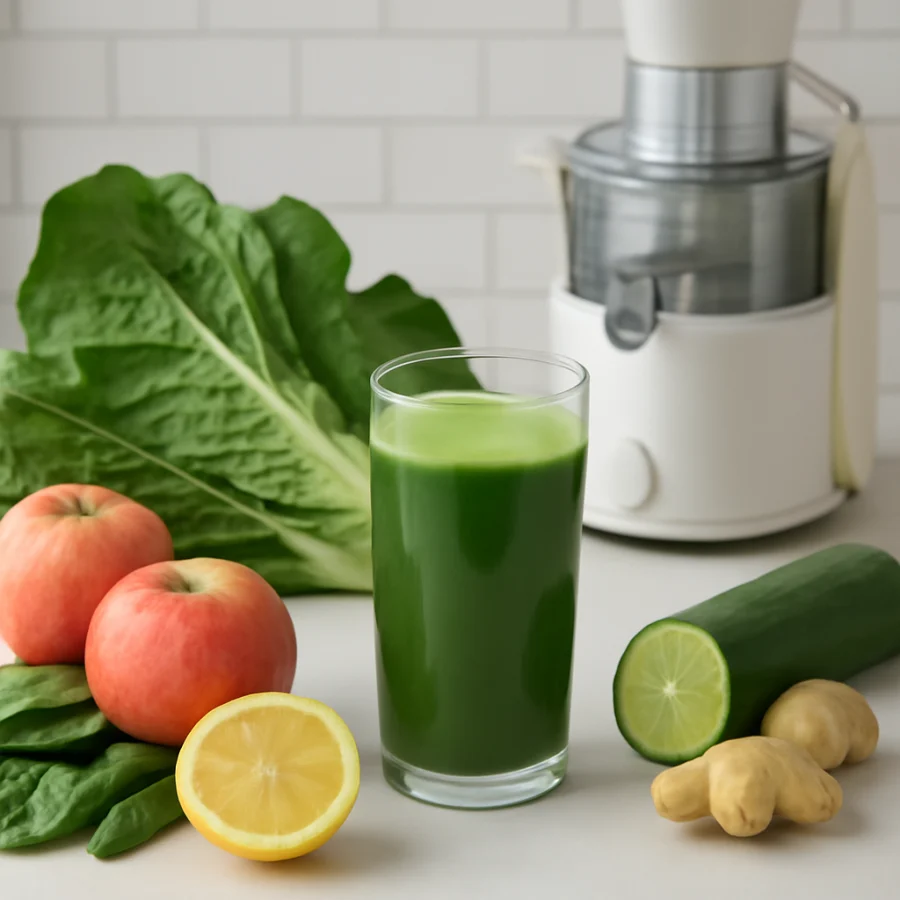
Pineapple pairs particularly well with spinach, kale, and cucumber. It has a strong sweet-tart flavor that can stand up to assertive greens. Remove the tough outer peel and core before juicing. Fresh pineapple is convenient when available, but unsweetened frozen pineapple can work in a blender after it has thawed enough for safe, even blending. Canned pineapple may make the drink sweeter and should be drained if used.
Pears
Pears create a softer, floral sweetness than apples. They are a good match for spinach, romaine, celery, and mild herbs. Choose ripe but firm pears so they are flavorful without being overly mushy. Very soft fruit can be difficult for some juicers and may produce a thicker, less consistent result.
Berries
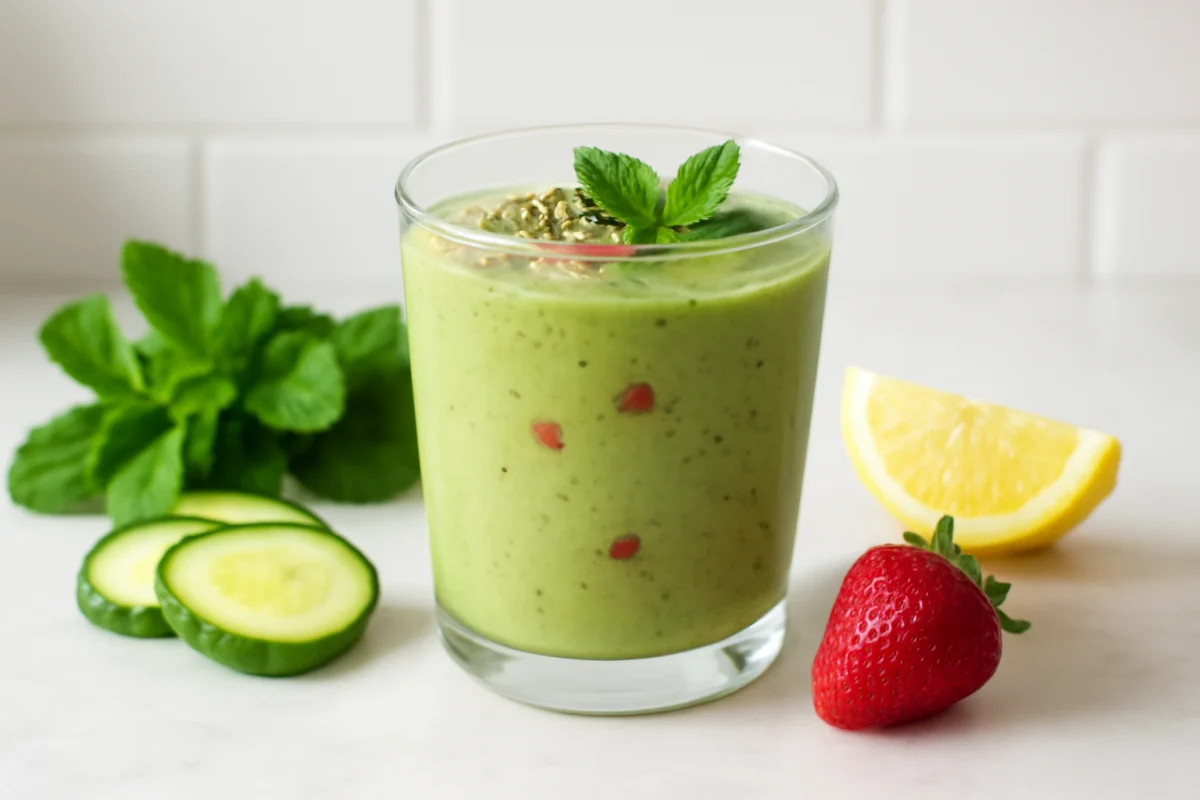
Strawberries, blueberries, raspberries, and blackberries add color and a tart fruit flavor. Berries contain less juice than apples or citrus, so they may work best in a blender or combined with a more water-rich ingredient such as cucumber. Remove any moldy or damaged berries, and rinse them gently under cool running water immediately before use.
Mild fruits and vegetables that act like fruit partners
Cucumber and watermelon are not botanical fruits used in the same way as apples or citrus, but they are useful in green drinks because they add water and a mild flavor. Cucumber works with lemon, lime, apple, mint, and ginger. Watermelon pairs with spinach and lime, although it can make a juice quite thin. Avocado is better suited to blended drinks than juiced beverages because it contributes creaminess rather than liquid.
Easy Ingredient Alternatives
- Spinach instead of romaine: Use extra spinach for a softer, milder green flavor.
- Kale instead of spinach: Remove tough stems and begin with a small amount because kale can be more assertive.
- Orange instead of lemon: Use a peeled orange for a sweeter citrus profile.
- Pear instead of apple: Substitute one medium ripe pear for one apple.
- Pineapple instead of cucumber: Add pineapple when you want a stronger sweet-tart flavor.
- Fresh herbs: A few mint leaves or a small amount of parsley can add character, but strong herbs can quickly dominate the drink.
Helpful Preparation and Serving Tips
Start with mild greens if you are new to green juice. Baby spinach and romaine are usually less intense than collards, mustard greens, or large kale leaves. A practical starting balance is two parts mild fruit to one part leafy greens, followed by adjustments after tasting. Once you know which flavors you enjoy, you can reduce the fruit or experiment with stronger greens.
Chill ingredients before juicing if you like a cold drink without much ice. Ice can dilute the flavor as it melts, so serve the juice in a chilled glass when possible. For a more substantial pairing, serve a small glass with breakfast, a sandwich, grain bowl, eggs, yogurt, nuts, or another balanced food. Juice is easy to drink quickly, so pouring a measured serving can help you stay aware of how much you are consuming.
For more ideas about equipment and texture, explore the site's juicing and blending guides and drink recipes.
Storage and Food Safety
Fresh juice is perishable. Pour leftovers into a clean, covered container and refrigerate promptly. Keep the refrigerator at 40°F or below, and follow current guidance from reliable food-safety authorities for storing fresh, unpasteurized juice. For best quality, drink it as soon as possible rather than storing it for several days. Discard juice that develops an unusual odor, flavor, appearance, or signs of fermentation.
Do not leave homemade juice at room temperature for extended periods. Keep it cold during transport, and avoid returning a partially consumed glass to the storage container. If serving juice to someone who is pregnant, very young, older, or immunocompromised, take extra care because fresh unpasteurized juice may carry food-safety risks. For additional guidance, visit the food safety and storage section.
Frequently Asked Questions
What are the best fruits for beginners making green juice?
Apples, pears, oranges, and pineapple are easy starting points because they provide noticeable sweetness and bright flavor. Begin with a mild leafy green such as baby spinach or romaine before trying more strongly flavored greens.
Can I use frozen fruit?
Frozen fruit is generally more suitable for a blended drink than a centrifugal or masticating juicer. Thaw pieces enough to follow your appliance's instructions, and do not force hard or frozen ingredients through equipment that is not designed for them.
Should I peel apples and cucumbers?
Peeling is usually optional when the produce is washed and the skin is in good condition. Peel citrus because the outer peel can be bitter. Always remove visibly damaged areas, and follow your appliance manufacturer's preparation directions.
How can I make green juice less bitter?
Use more apple, pear, orange, or pineapple; add cucumber; or include a small amount of lemon. You can also switch from mature kale or chard to baby spinach or romaine. Adjust gradually so the drink does not become overly sweet or acidic.
Is homemade green juice a complete meal?
No. Strained juice is not a complete replacement for meals because it may provide little protein and limited fiber. Enjoy it as one part of an overall eating pattern that includes a variety of foods. If you have a medical condition, take medication, or have specific dietary needs, ask a qualified health professional for personalized guidance.
With apples, lemon, cucumber, and mild greens, you can create a balanced-tasting homemade juice without complicated ingredients. Once you find a combination you enjoy, try swapping in pears, pineapple, citrus, or berries while keeping food safety and realistic portions in mind.

Comments
0No comments yet. Be the first to share a helpful note or question.
Leave a Comment
Your email address will not be published. Comments are reviewed before appearing on the site.