
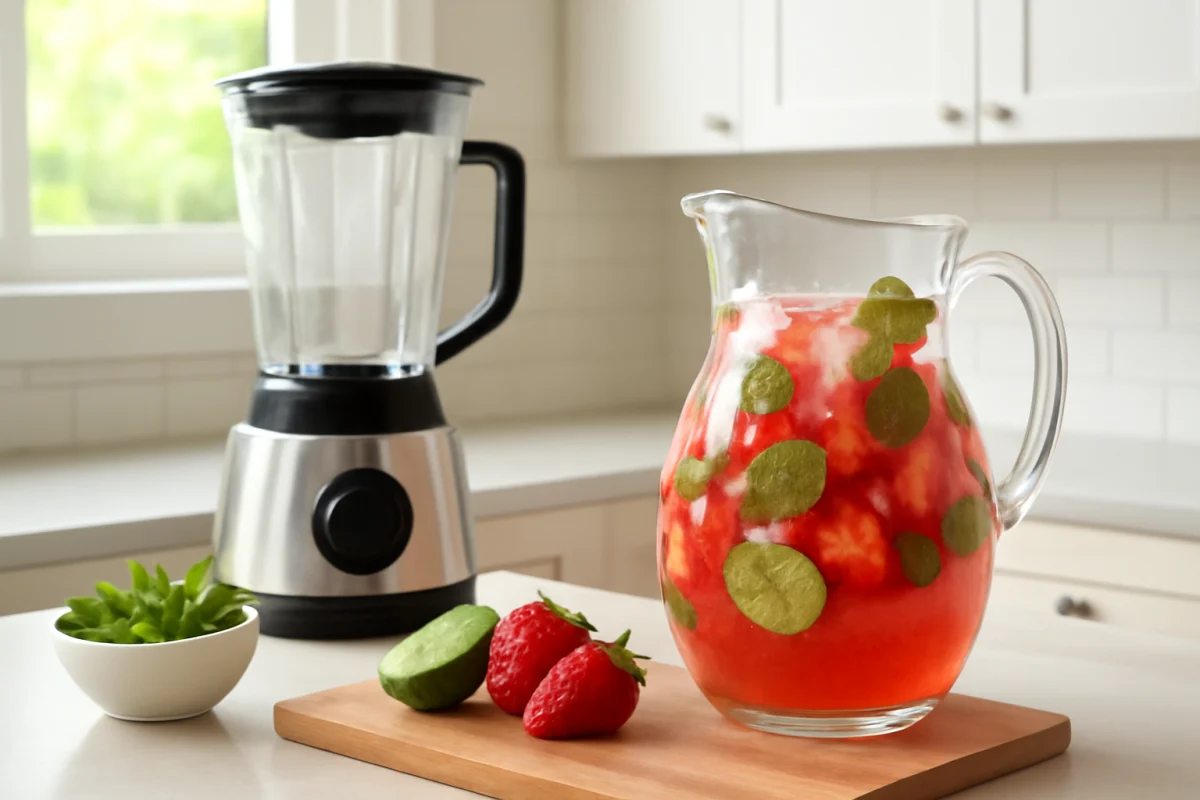
No, you do not need a juicer to make fresh fruit drinks. A blender, fine-mesh strainer, or even a fork and pitcher can help you prepare a bright strawberry-citrus drink at home. This recipe uses whole fruit, water, lime, and mint for a refreshing option that is easy to adjust and does not require special equipment. For more recipes and practical drink guidance, visit fruit infused detox water.
Fresh fruit drinks can be enjoyable when you want something more flavorful than plain water but do not want a complicated recipe. The drink below has a lightly pulpy texture if you blend it, or a smoother texture if you strain it. It is not a replacement for balanced meals, and it does not “detox” the body or provide guaranteed health results. Instead, think of it as a simple homemade beverage made with familiar ingredients.
If you are comparing methods, a juicer is useful for separating liquid from firm produce, but it is not essential for soft fruits such as strawberries, oranges, and limes. For more ideas about choosing between appliances and manual methods, explore these juicing and blending guides.
Strawberry-Lime Mint Fruit Drink Without a Juicer
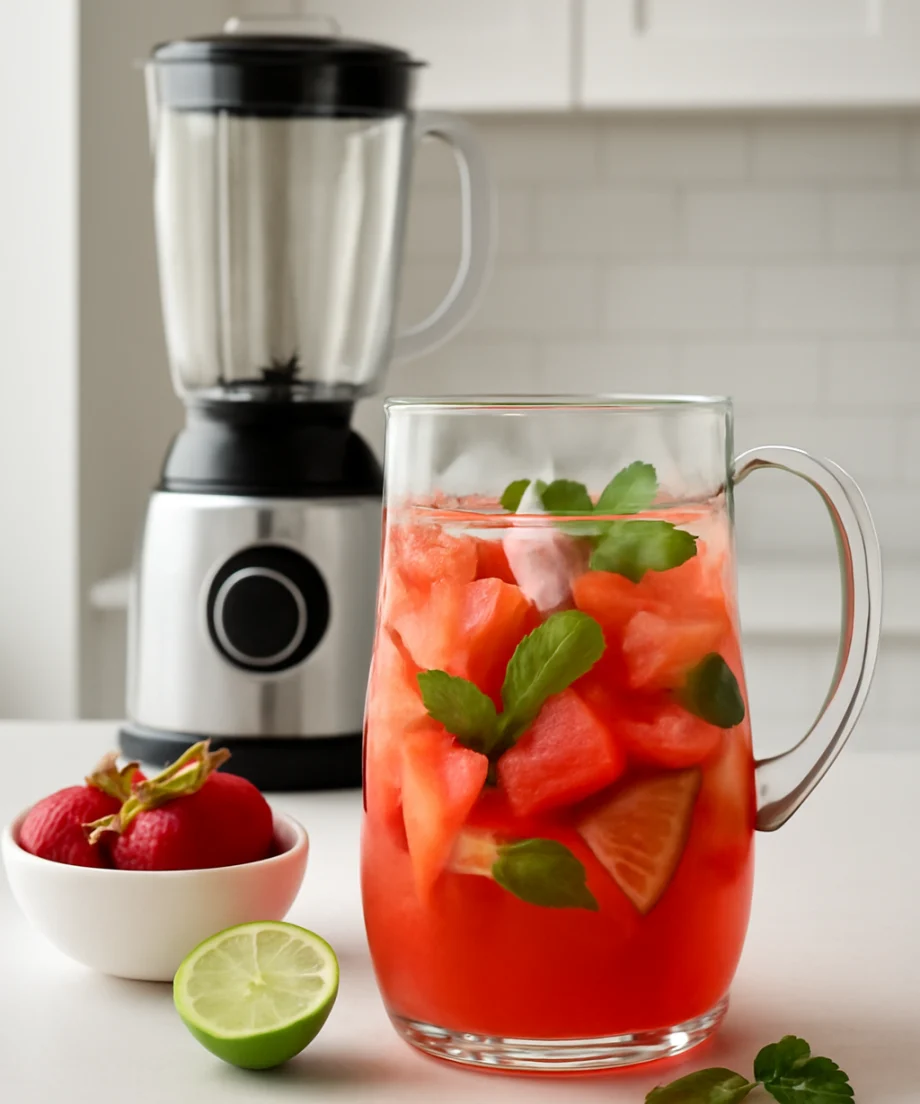
This recipe makes a lightly sweet, citrusy drink with a fresh mint finish. Blending the strawberries gives the drink body, while lime adds brightness. You can strain it for a cleaner texture or leave some fruit pulp in the pitcher.
- Prep time: 10 minutes
- Total time: 15 minutes, plus optional chilling
- Servings: 4
Ingredients
- 2 cups hulled fresh strawberries
- 2 cups cold water
- 1/4 cup fresh lime juice, from about 2 to 3 limes
- 2 tablespoons honey or maple syrup, optional
- 8 to 10 fresh mint leaves, plus more for serving
- 1 cup ice, for serving
- Lime wheels or sliced strawberries, optional garnish
How to Make the Drink
- Wash your hands and produce. Rinse the strawberries, limes, and mint under cool running water. Dry the mint gently with a clean towel. Remove the strawberry tops and discard any fruit that is moldy, badly bruised, or leaking.
- Prepare the lime juice. Roll the limes firmly on the counter before cutting them. This can help release more juice. Juice them by hand with a citrus reamer, fork, or small press, then remove visible seeds.
- Blend the strawberries. Add the strawberries, 1 cup of the cold water, lime juice, honey or maple syrup if using, and mint to a blender. Blend until the mixture is mostly smooth, about 30 to 45 seconds depending on the blender.
- Adjust the texture. Pour the mixture through a fine-mesh strainer into a pitcher if you prefer a smoother drink. Press gently with a spoon to collect the liquid, but do not force every bit of pulp through. For a thicker, more fruit-forward drink, skip straining.
- Finish the pitcher. Stir in the remaining 1 cup of cold water. Taste the drink and adjust it with a little more lime for tartness, water for a lighter flavor, or a small amount of sweetener if needed.
- Serve cold. Fill four glasses with ice and pour in the drink. Garnish with mint, a lime wheel, or a strawberry slice. Stir just before serving because fruit particles may settle.
Why This Recipe Works Without a Juicer
Juicers are designed to extract liquid from produce while separating much of the pulp. That can be convenient for hard fruits and vegetables, but strawberries are soft enough to break down in a standard blender. Lime juice can be extracted with a handheld tool, and water helps create a pourable consistency.
This method also gives you more control over the final texture. Straining creates a thinner drink, while leaving the blended fruit in the pitcher produces a fuller mouthfeel. Neither approach is automatically better. The right choice depends on whether you prefer a clear, smooth beverage or a drink with visible fruit particles.
For fruits that do not blend smoothly, such as oranges with excess membrane or fibrous pineapple, you may want to chop them into smaller pieces first. Remove thick peels, seeds, and hard cores before blending. A blender will not always produce the same clean texture as a juicer, especially with fibrous produce.
Helpful Ingredient Alternatives
Fruit swaps
Raspberries can replace some or all of the strawberries, although they may leave more seeds. Peaches work well when they are ripe and soft; remove the pit before blending. Watermelon can replace the strawberries for a very different, lighter drink, but reduce the added water because watermelon already contains plenty of liquid.
Citrus options
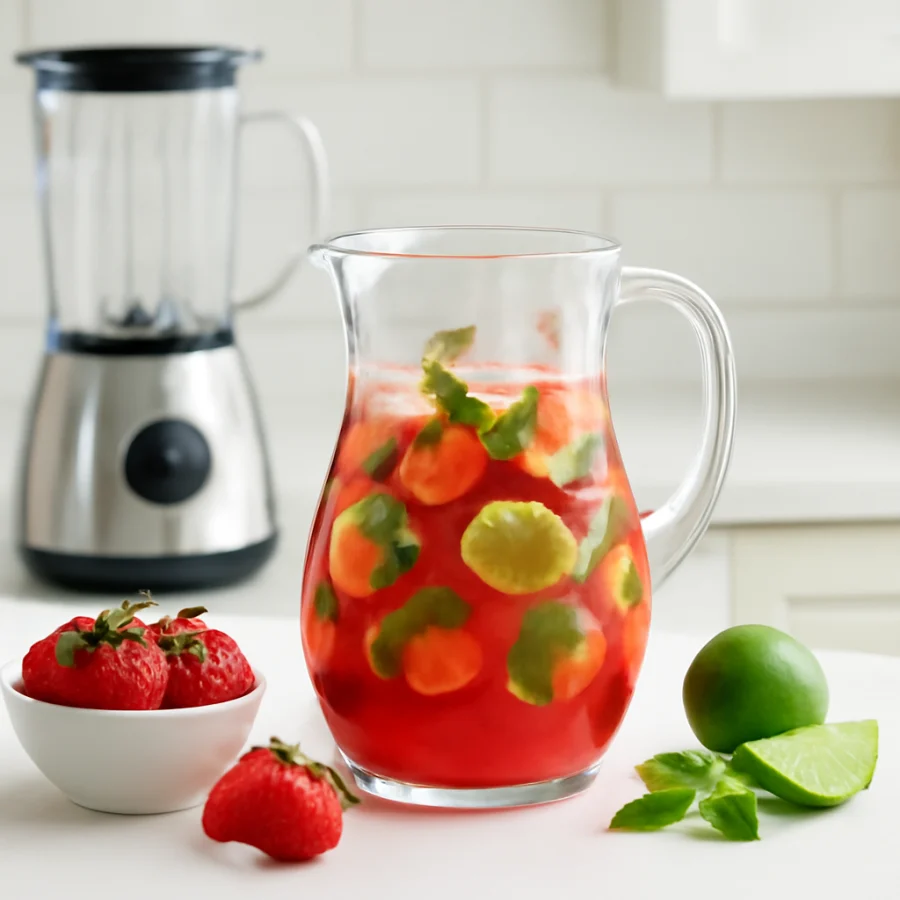
Lemon juice can replace lime juice if that is what you have available. Orange juice will make the drink sweeter and less tart, so you may want to use less optional sweetener. If using bottled citrus juice, check the label because products vary in added ingredients and flavor.
Sweetener choices
The sweetness of fresh fruit changes from batch to batch. Taste the drink after blending before adding honey or maple syrup. You can also leave out added sweetener entirely, use a small amount of sugar dissolved in water, or add a ripe banana for a thicker texture. Honey is not suitable for infants under 12 months.
Herb alternatives
Mint gives the recipe a cool, fresh flavor, but basil can create a softer, more aromatic drink. You can also omit herbs if you want the strawberry and lime flavors to stand out more clearly.
Tips for Better Fresh Fruit Drinks
- Use ripe fruit, not spoiled fruit. Ripeness can improve flavor, but moldy or fermenting fruit should not be blended to save it.
- Chill the ingredients first. Cold fruit and water reduce the need for a large amount of ice, which can dilute the drink.
- Do not over-sweeten immediately. Let the flavors combine for a minute, then taste and adjust.
- Strain in stages. If your strainer clogs, work with smaller amounts and stir the pulp gently rather than pressing aggressively.
- Keep the drink flexible. Add sparkling water just before serving for a fizzy version. Pour slowly because the fruit mixture may foam.
- Use a clean cutting board and knife. Keeping produce preparation separate from raw meat and seafood helps reduce cross-contamination risks.
For additional guidance on washing, chilling, and storing homemade beverages, see the site’s food safety and storage resources.
Serving Suggestions
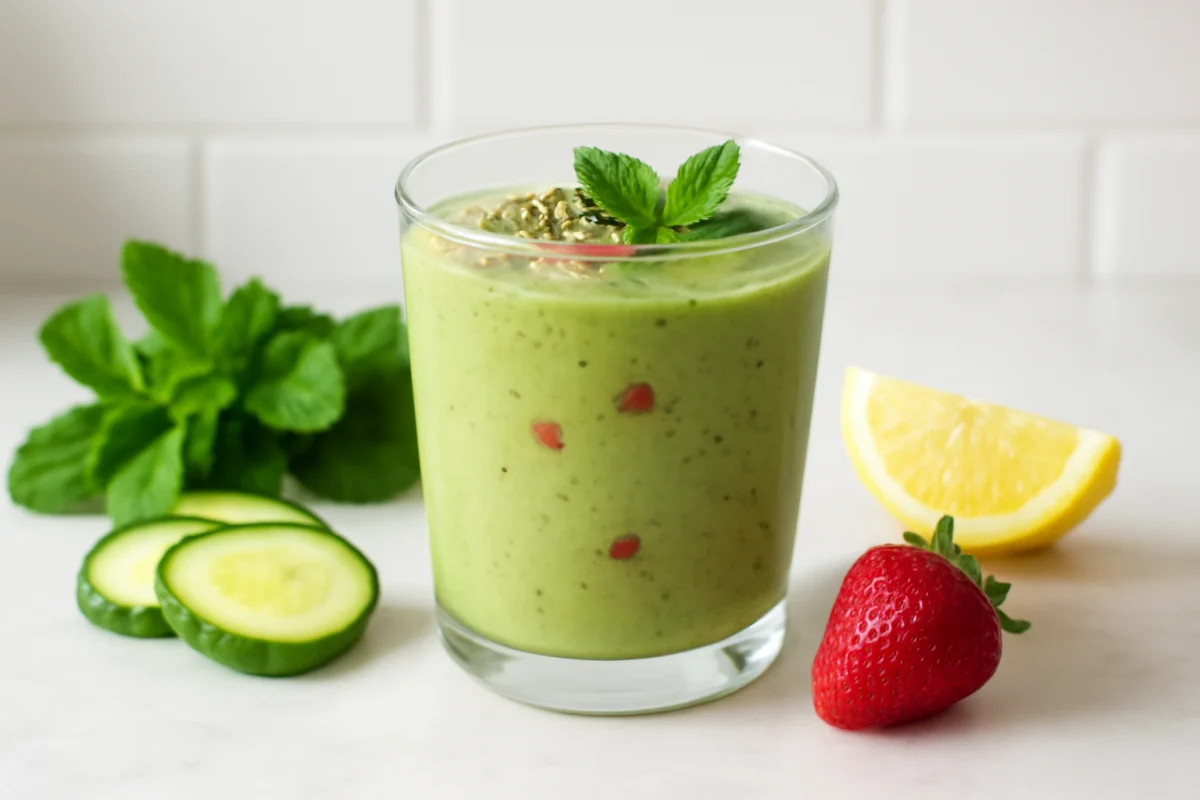
Serve this drink in small glasses over ice as part of breakfast, lunch, or an afternoon snack. It also works well beside a meal that includes a grain, protein, and additional fruits or vegetables. For a more substantial smoothie-style drink, blend in plain yogurt or milk, but expect the color and texture to change.
If you are serving guests, prepare the base in a pitcher and add ice to individual glasses instead of the pitcher. Ice in the pitcher melts over time and can make the flavor weaker. Add garnishes shortly before serving so the mint and fruit look fresh.
Storage and Food Safety
Pour leftovers into a clean, covered container and refrigerate them promptly. Because this drink contains fresh fruit, it is best enjoyed soon after preparation. Stir before serving, since separation is normal. Discard the drink if it develops an unusual smell, visible mold, unexpected fermentation, or an off flavor.
Do not leave the drink at room temperature for extended periods, particularly outdoors or in a warm kitchen. Wash the blender jar, knife, cutting board, strainer, and pitcher with hot, soapy water after use. Follow current guidance from reliable food-safety authorities for perishable homemade beverages. More general information is available in the publication’s food safety guides.
Can You Make It Without a Blender?
Yes. Finely chop the strawberries and place them in a pitcher with the lime juice and optional sweetener. Mash them with a muddler, potato masher, or the back of a sturdy spoon. Add the water and mint, stir well, and let the mixture stand in the refrigerator for about 15 to 30 minutes. Strain it before serving if you want fewer fruit pieces.
This no-blender method will not be as smooth as a blended version, but it can work when you only have basic kitchen tools. A fork can also mash small amounts of soft fruit in a bowl before you transfer the mixture to a pitcher.
Frequently Asked Questions
Is a juicer better than a blender for fresh fruit drinks?
Neither appliance is automatically better. A juicer separates liquid from pulp, while a blender keeps more of the fruit in the drink unless you strain it. Choose based on the texture you prefer and the produce you plan to use.
Can I use frozen strawberries?
Yes. Frozen strawberries can make the drink colder and may reduce the need for ice. Let them soften slightly if your blender has difficulty processing them, and follow the appliance manufacturer’s instructions.
Can I make this drink ahead of time?
You can prepare it a short time ahead and keep it covered in the refrigerator. Stir before serving because separation is normal. For the best flavor and texture, add ice and garnishes just before serving.
Does this drink replace water or a meal?
No. It can be one flavorful beverage in your routine, but it should not be treated as a substitute for regular water, balanced meals, or professional medical advice.
What is the easiest tool for straining the drink?
A fine-mesh kitchen strainer works well. If you do not have one, a clean food-safe cloth designed for kitchen use may work, although it can be slower and harder to clean. Avoid using materials that are not intended for contact with food.
With a blender, a citrus tool, or a little manual mashing, you can make fresh fruit drinks without buying a juicer. Start with this strawberry-lime combination, adjust the texture and sweetness to suit your preference, and keep food-safety basics in mind from preparation through storage.

Comments
0No comments yet. Be the first to share a helpful note or question.
Leave a Comment
Your email address will not be published. Comments are reviewed before appearing on the site.