
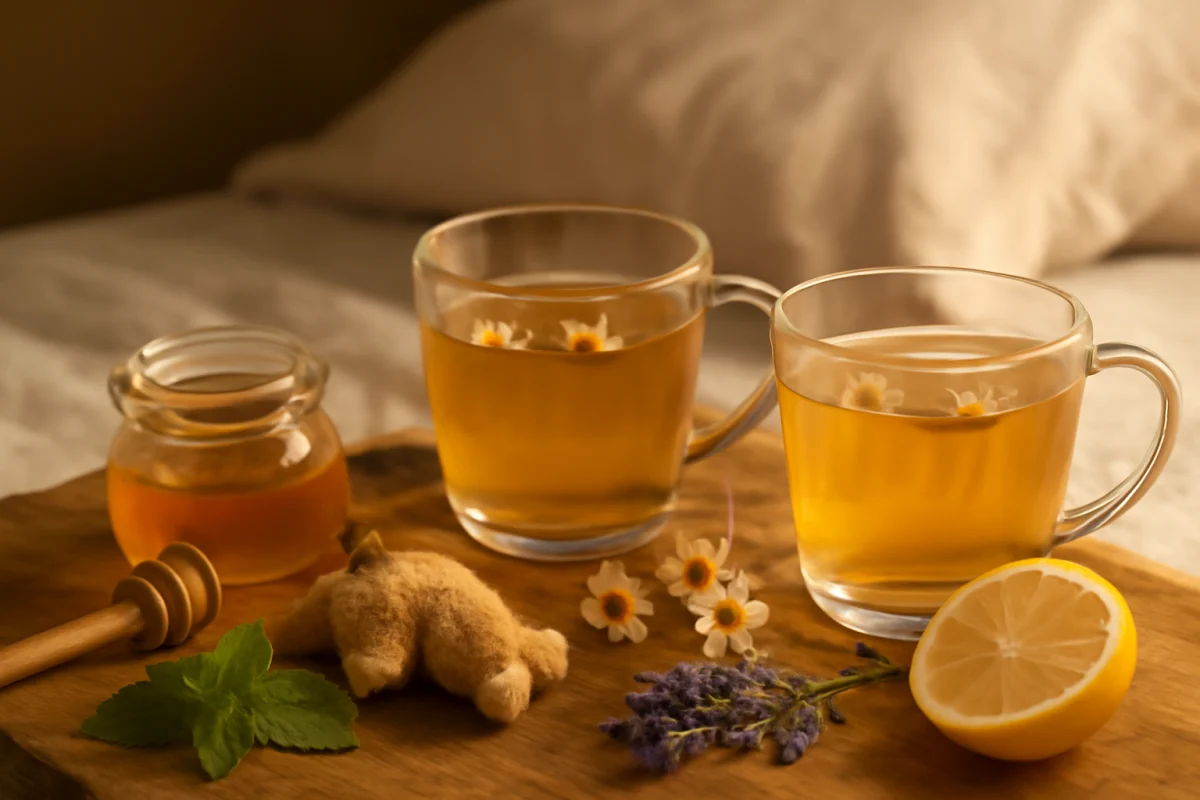
The best nighttime sleep detox tea recipes are simple, caffeine-free herbal infusions designed to make your evening routine feel calmer—not drinks that remove toxins or replace sleep, food, or medical care. This soothing blend combines chamomile, lemon balm, ginger, and a small amount of lavender for a floral, warming cup you can enjoy before bed. For more recipes and practical drink guidance, visit refreshing detox drinks.
Although “detox tea” is a common search term, your liver and kidneys already handle the body’s normal waste-processing functions. A homemade tea cannot flush out toxins, guarantee better sleep, or treat insomnia. It can, however, offer a comforting screen-free ritual, pleasant warmth, and a way to enjoy more fluids. If you are looking for practical drink ideas, explore these drink recipes for additional options.
Relaxing Nighttime Herbal Tea Recipe
This recipe makes a lightly floral, mildly citrusy tea with gentle ginger warmth. It is naturally caffeine-free when you use caffeine-free dried herbs, making it a suitable alternative to coffee, black tea, green tea, or energy drinks late in the day.
Prep time, total time, and servings
- Prep time: 5 minutes
- Steeping time: 8 to 10 minutes
- Total time: 13 to 15 minutes
- Servings: 2 cups
Ingredients
- 2 1/2 cups water
- 2 teaspoons dried chamomile flowers
- 2 teaspoons dried lemon balm
- 1/2 teaspoon dried culinary lavender
- 4 thin slices fresh ginger, lightly bruised with the side of a knife
- 1 teaspoon honey, optional and added to taste
- 1 teaspoon fresh lemon juice, optional
Use food-grade dried herbs from a reputable source. Culinary lavender is preferable to decorative lavender because decorative products may be treated, scented, or packaged for purposes other than consumption.
How to Make This Sleep Detox Tea Recipe
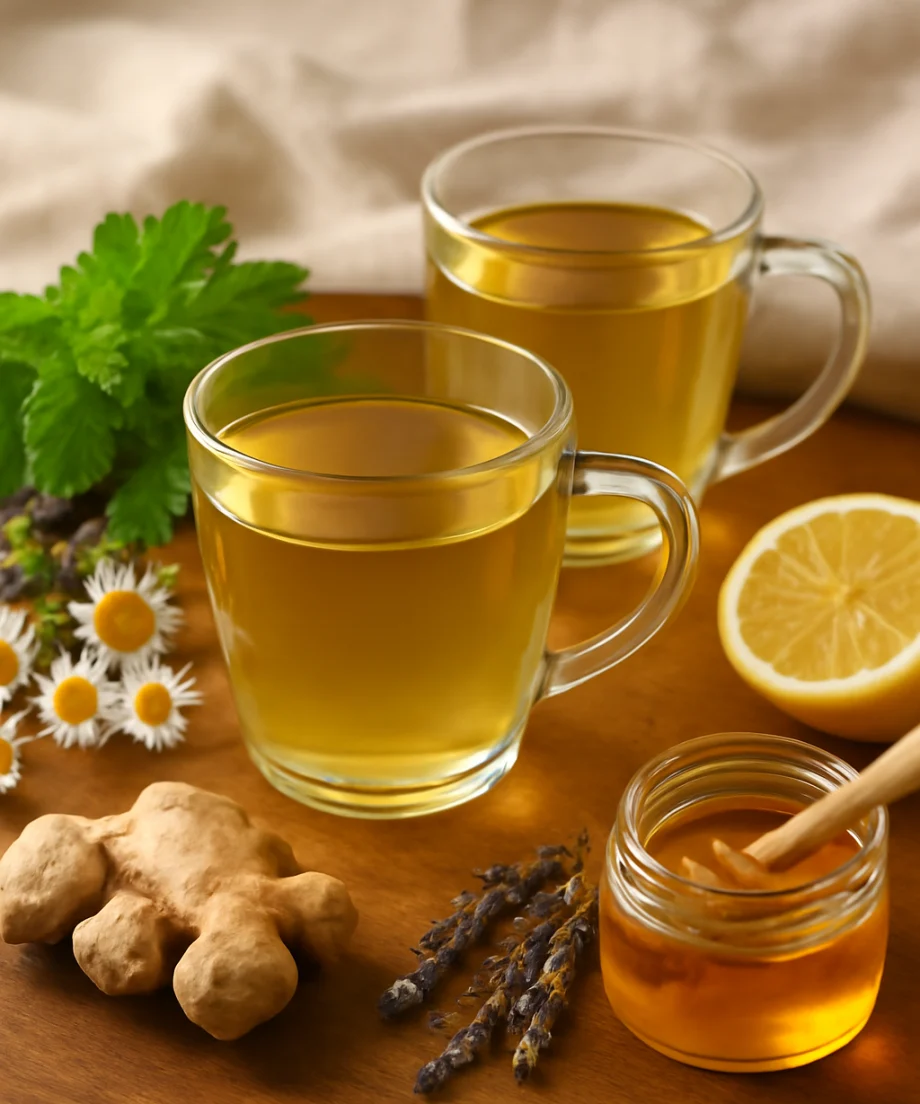
- Prepare the water. Bring 2 1/2 cups of water to a boil in a small saucepan or electric kettle. If you are using a saucepan, remove it from the heat once the water reaches a boil.
- Add the ginger. Place the ginger slices in a heatproof teapot, measuring cup, or two large mugs. Pour the hot water over the ginger and let it sit for about 2 minutes. This gives the tea a subtle spicy note without making it overly strong.
- Steep the herbs. Add the chamomile, lemon balm, and lavender. Cover the vessel with a lid, saucer, or small plate and steep for 8 to 10 minutes. Covering the tea helps retain its heat and keeps dust or kitchen debris out while it steeps.
- Strain carefully. Pour the tea through a fine-mesh strainer into two mugs. Press the herbs gently, but do not force a large amount of sediment through the strainer.
- Adjust the flavor. Stir in honey and lemon juice if desired. Let the tea cool slightly before tasting, since very hot liquid can make it difficult to judge the flavor.
- Serve warm. Enjoy the tea slowly about 30 to 60 minutes before bed, while leaving enough time to brush your teeth and settle into your normal nighttime routine.
Why These Ingredients Work in a Bedtime Routine
Each ingredient contributes flavor or sensory appeal, but none should be presented as a guaranteed sleep aid or detoxifier.
Chamomile
Chamomile has a mild apple-like flavor and is widely used in caffeine-free herbal teas. Its soft aroma can make a warm drink feel especially suitable for winding down. If you have an allergy to ragweed, daisies, chrysanthemums, or related plants, check with a qualified health professional before using chamomile, since cross-reactions may be possible.
Lemon balm
Lemon balm adds a fresh, lightly minty citrus character. It can make the blend taste brighter without adding caffeine. Choose plain dried lemon balm rather than a mixture that contains black tea, green tea, yerba mate, or other caffeinated ingredients.
Lavender
A small amount of culinary lavender gives the tea a floral aroma. Too much can taste perfumey or bitter, so start with 1/2 teaspoon for the full recipe. If lavender is not appealing, leave it out or replace it with a strip of lemon peel.

Ginger
Fresh ginger provides gentle heat and a clean, spicy finish. It is included for flavor rather than as a promise to improve sleep or cleanse the body. Use fewer slices for a milder cup, or omit it if you prefer a softer, floral tea.
Ingredient Alternatives and Flavor Variations
You can adapt this recipe while keeping it caffeine-free. Try one of the following combinations:
- Chamomile and vanilla: Steep the chamomile and lemon balm as directed, then add a small splash of alcohol-free vanilla flavoring or a clean piece of vanilla bean after straining.
- Mint and lemon: Replace the lavender with 1 teaspoon of dried peppermint and add lemon juice to taste. Peppermint may not be comfortable for people who experience reflux.
- Apple spice: Add one thin slice of apple and a small cinnamon stick while steeping. Remove the fruit and cinnamon before serving.
- Rooibos blend: Replace the chamomile and lemon balm with 2 teaspoons of plain rooibos tea. Check the label to confirm that the product is caffeine-free and does not include stimulating tea leaves.
- Honey-free version: Skip the sweetener and use lemon peel, orange peel, or a few crushed berries for aroma and a naturally brighter taste.
Be cautious with multi-herb “sleep” or “cleanse” blends. Read the full ingredient list and serving directions, especially if the product contains senna, cascara, strong laxative herbs, or stimulants. A nighttime drink should not cause urgent bathroom trips, dehydration, or stomach discomfort.
Helpful Preparation and Serving Tips
- Use freshly boiled water and measure the herbs consistently so you can adjust the flavor next time.
- Steep in a covered vessel for a fuller aroma and warmer serving temperature.
- Use a tea infuser with enough room for the herbs to expand. A cramped infuser can produce a weak or uneven cup.
- Keep the serving moderate if waking during the night to urinate is a concern. Drinking a large mug immediately before bed may be inconvenient for some people.
- Serve the tea with a small, balanced snack if you are genuinely hungry. This beverage is not intended to replace dinner or a nourishing evening meal.
- For a relaxing presentation, use a sturdy mug, dim lighting, and a quiet activity such as reading on paper or gentle stretching.
Food Safety and Storage
Use clean equipment, fresh water, and dry herbs stored according to the package directions. Wash your hands before handling fresh ginger and lemon. Rinse the lemon and scrub its surface before cutting or peeling it.
For the best flavor, drink the tea soon after preparation. If you make extra, cool it promptly in a clean, covered container and refrigerate it. Use refrigerated brewed tea within a reasonable short period and discard it if it develops an unusual smell, appearance, or taste. Do not leave brewed tea with honey, lemon, or fresh fruit sitting at room temperature for an extended period. For more general guidance, see these food safety and storage tips.
Reheat only the portion you plan to drink, and do not repeatedly warm and cool the entire batch. Follow current guidance from reliable food-safety authorities when storing homemade beverages.
Who Should Use Extra Caution?
Herbal products can interact with medicines or may not be appropriate for everyone. If you are pregnant or breastfeeding, have a chronic health condition, take prescription or over-the-counter medicines, or plan to give this tea to a child, ask a qualified health professional about the ingredients first. People with known plant allergies should avoid ingredients that may trigger a reaction.
If you regularly have trouble falling asleep, wake frequently, snore loudly, or feel unusually tired during the day, a tea is not a substitute for professional evaluation. Consider discussing persistent sleep concerns with a healthcare professional.
Frequently Asked Questions
Does nighttime sleep detox tea remove toxins?
No. The body’s liver, kidneys, lungs, digestive system, and other processes handle normal waste removal. This tea is best viewed as a flavorful, caffeine-free beverage that may support a calming routine, not as a detox treatment.
Can I drink this tea every night?
Many adults can enjoy a simple caffeine-free herbal tea as part of a varied diet, but individual tolerance differs. Review the ingredients with a qualified health professional if you take medication, have allergies, or have a medical condition.
Will this recipe cure insomnia?
No. A warm drink may be comforting, but it cannot cure insomnia or guarantee sleep. Persistent or severe sleep problems deserve professional attention and a broader look at sleep habits, health, and medications.
Can I use tea bags instead of loose herbs?
Yes. Use caffeine-free chamomile and lemon balm tea bags, then add ginger and a very small amount of culinary lavender if desired. Follow the tea-bag package directions because strength varies by product. Always verify the current label, including ingredients and allergen information.
Is honey required?
No. Honey is optional and mainly adds sweetness. You can leave it out or use another sweetener that fits your preferences. Do not give honey to children under 12 months.
A Simple Way to Enjoy the Recipe
Prepare this nighttime sleep detox tea recipe as one small part of a consistent evening routine. Keep the blend mild, avoid adding caffeine or laxative ingredients, and focus on the experience of slowing down with a warm cup. The most realistic benefit is a pleasant ritual that can complement—not replace—regular meals, adequate hydration, good sleep habits, and appropriate medical care.



Comments
0No comments yet. Be the first to share a helpful note or question.
Leave a Comment
Your email address will not be published. Comments are reviewed before appearing on the site.