
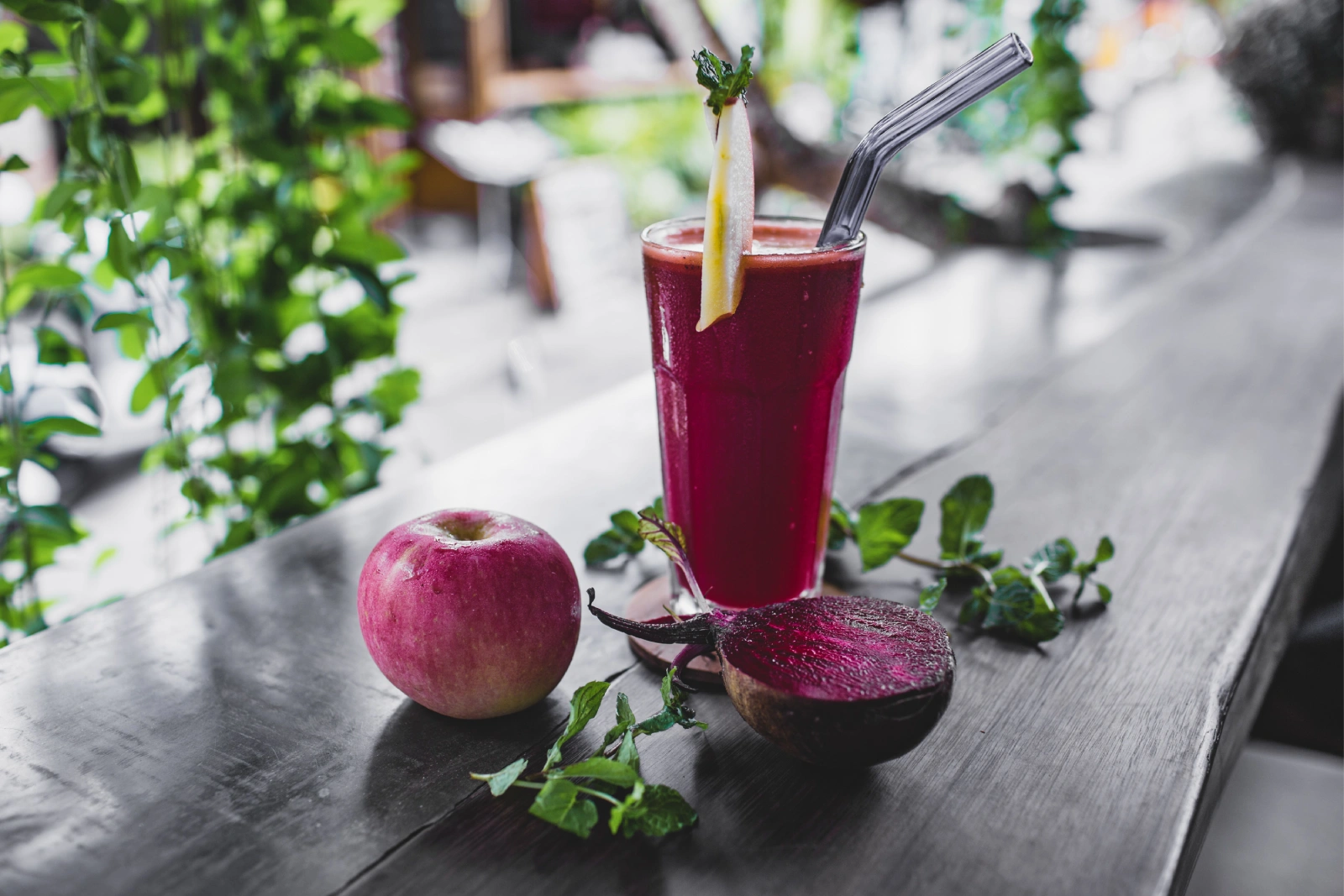
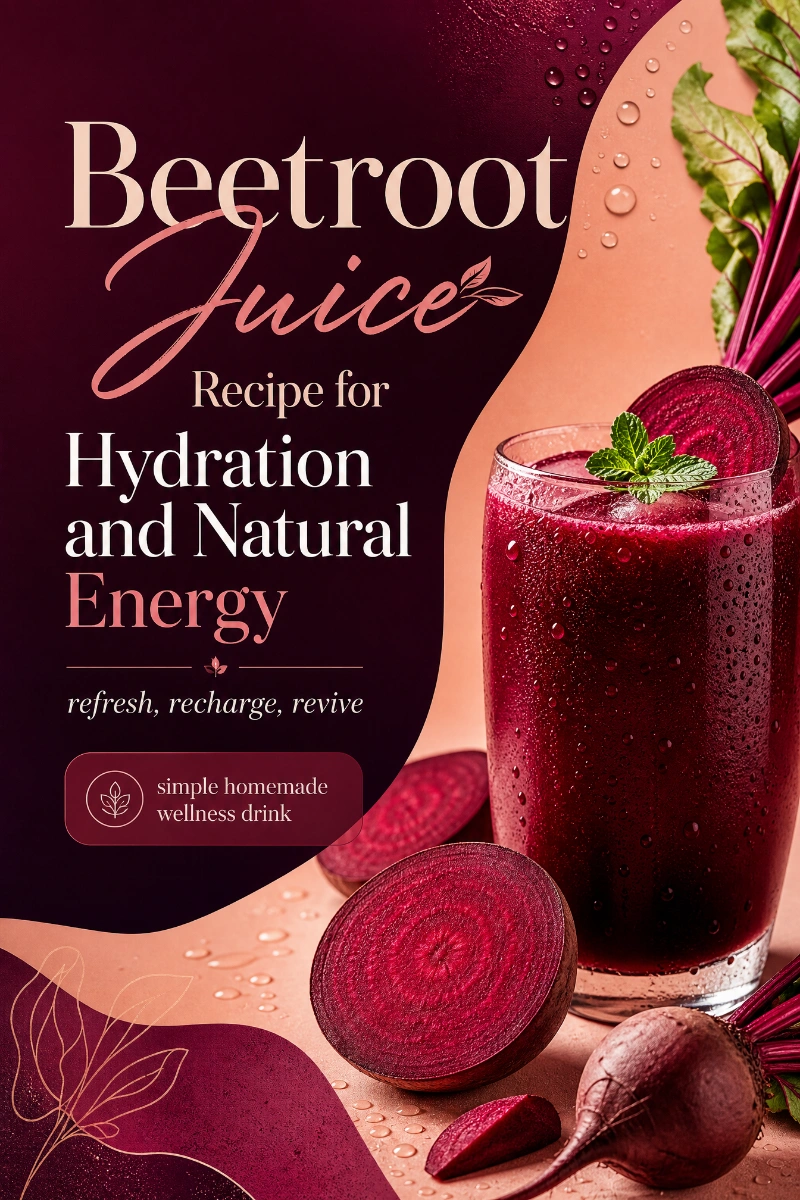
A beetroot juice cleanse can be a flavorful way to add beets, fruit, and water-rich vegetables to your routine, but it should complement balanced meals rather than replace them. This bright beet juice recipe combines cooked or raw beetroot with orange, cucumber, lemon, ginger, and water for a refreshing drink with a naturally earthy-sweet taste. Beets contain naturally occurring nitrates, which the body can convert into nitric oxide. Nitric oxide helps regulate blood vessel function, and some research suggests beet juice may support exercise performance for certain people. Results vary, and this drink is not a treatment for circulation problems or a guaranteed stamina booster. For more recipes and practical drink guidance, visit homemade detox drinks.
The recipe below makes a small batch that works well before a walk, alongside breakfast, or as part of an everyday hydration routine. For more practical drink ideas, visit the Drink Recipes section.
Beetroot Juice Cleanse at a Glance
- Prep time: 15 minutes
- Total time: 20 minutes, or about 45 minutes if roasting the beet
- Servings: 2 cups
- Best for: A refreshing snack or addition to a balanced meal
- Equipment: Blender, fine-mesh strainer if desired, knife, cutting board, and glasses
Ingredients
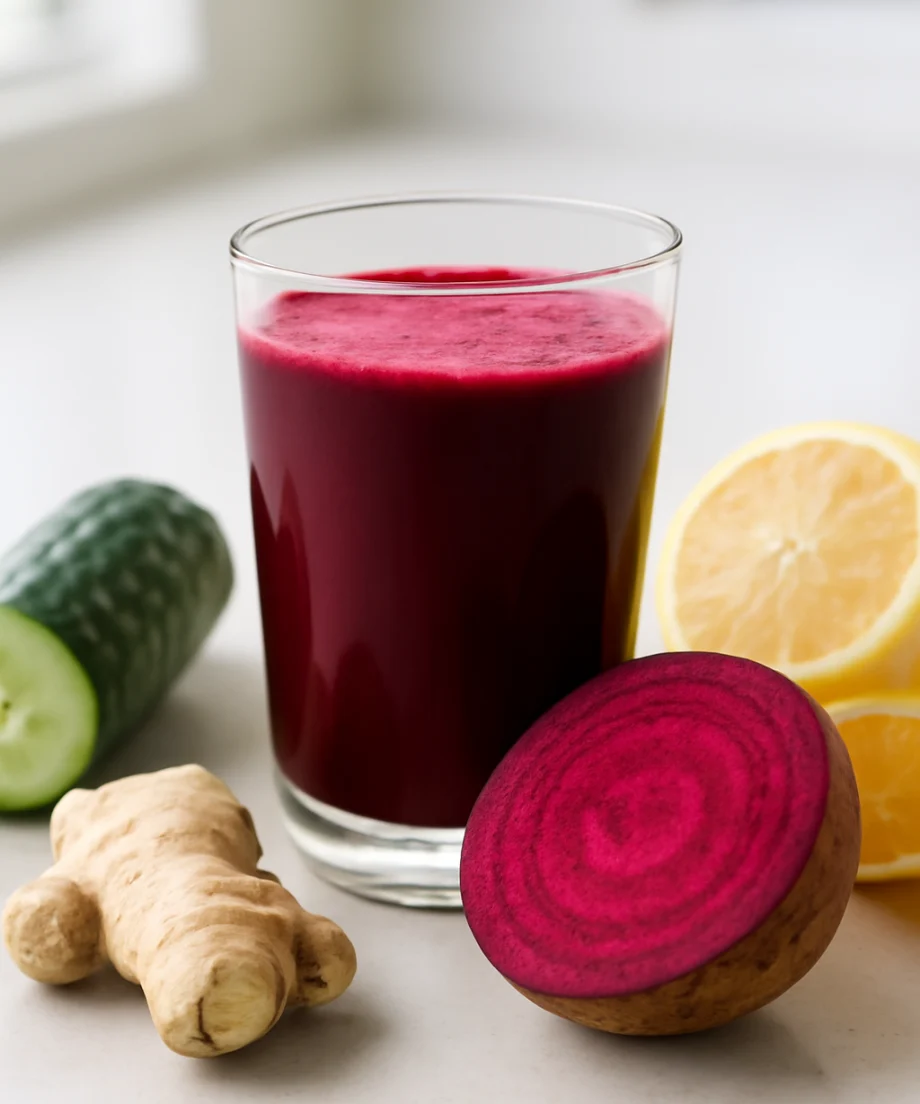
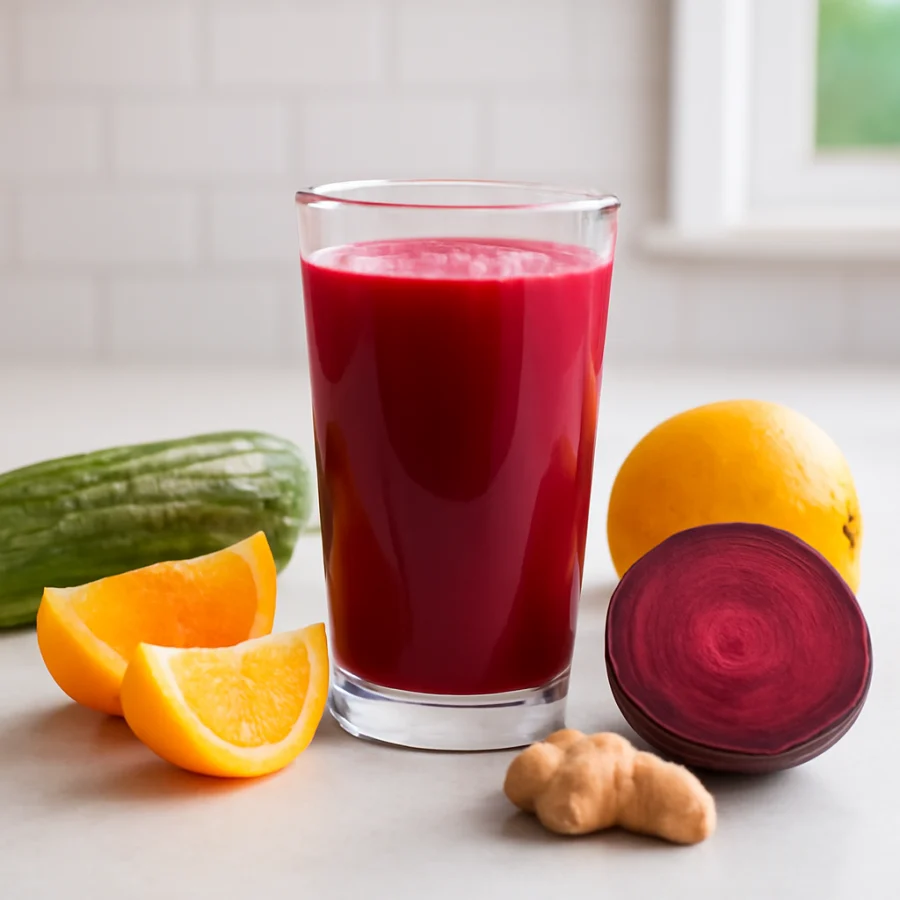
- 1 medium beetroot, about 4 to 5 ounces, peeled and chopped; raw or cooked and cooled
- 1 medium orange, peeled and divided into segments
- 1/2 medium cucumber, chopped
- 1 tablespoon fresh lemon juice
- 1/2-inch piece of fresh ginger, peeled and chopped
- 1 cup cold water, plus more as needed
- 1/2 cup ice, optional
- 1 teaspoon maple syrup, optional, if a sweeter drink is preferred
How to Make This Beetroot Juice Cleanse
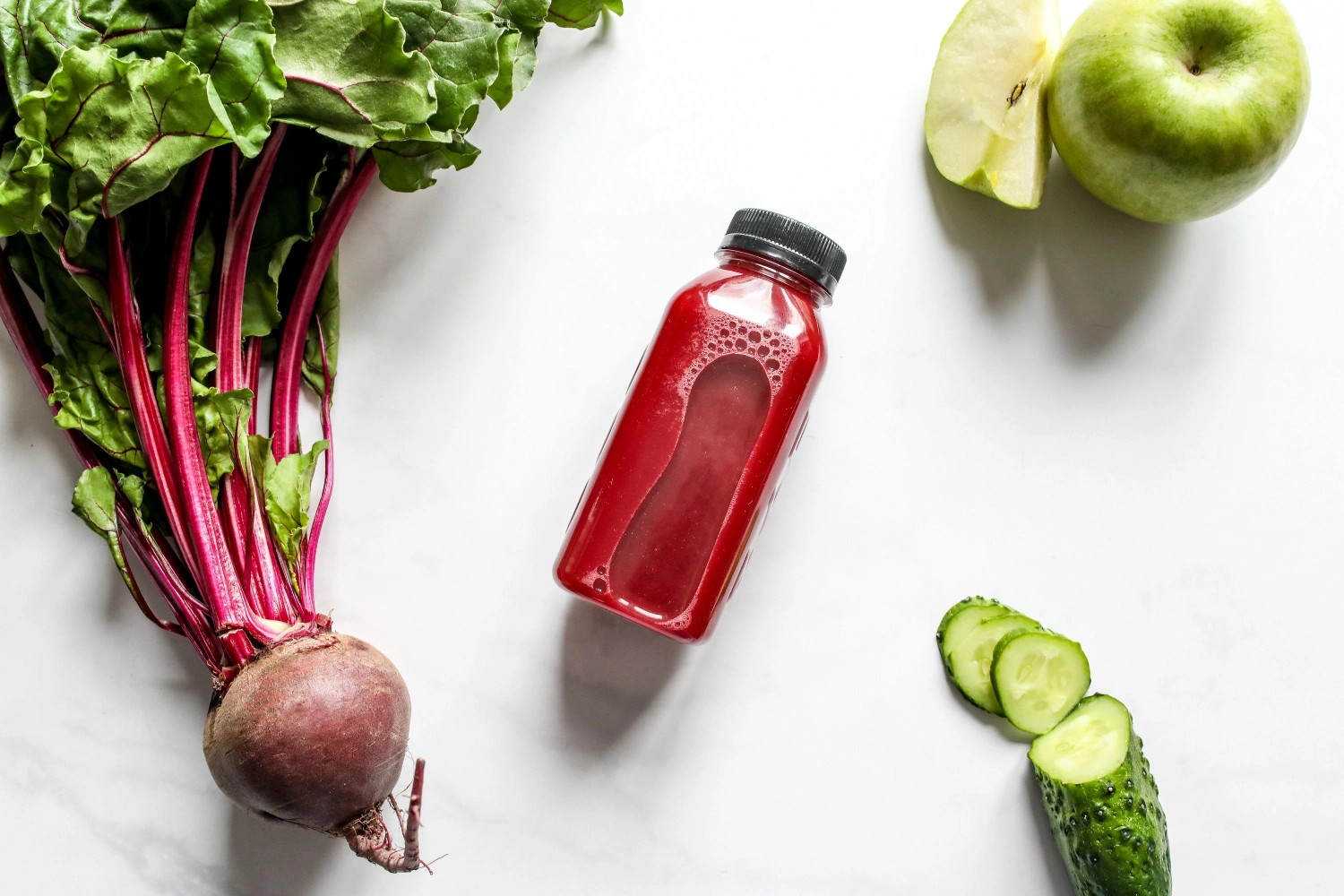
- Prepare the beet. Wash the beetroot under cool running water and scrub away visible soil. Peel it with a vegetable peeler, then chop it into small pieces. If you prefer a milder flavor, roast or steam the beet until tender and let it cool completely before blending. Use a separate cutting board or clean it promptly because beet juice can stain.
- Add the ingredients. Place the beet, orange segments, cucumber, lemon juice, ginger, water, and ice in a high-speed blender. Add the optional maple syrup if needed. Starting on low speed, blend carefully, then increase the speed until the mixture is as smooth as possible.
- Adjust the texture. Taste the drink and add a little more water if it is too thick or intense. For a pulpy smoothie-style beverage, serve it as blended. For a thinner juice, pour it through a fine-mesh strainer and press gently with a spoon. Straining removes some of the fiber, so leaving the pulp in provides a more filling texture.
- Serve promptly. Pour the drink into two glasses and serve cold. Stir before drinking because natural pulp can settle.
Why These Ingredients Work Together
Beetroot
Beetroot gives the drink its vivid color and earthy flavor. It also provides naturally occurring nitrates and contributes carbohydrates, folate, and other nutrients. The amount of nitrate can vary depending on growing conditions, storage, and preparation, so this homemade beverage should not be treated as a precisely measured performance product.
Orange and lemon
Orange adds sweetness and citrus flavor, while lemon brightens the recipe. Citrus can help balance the beet’s earthiness without requiring much added sweetener. If you are watching your intake of acidic foods because they cause discomfort, reduce the lemon or choose a less acidic variation.
Cucumber and water
Cucumber and water make the drink lighter and more refreshing. They also help create a sippable texture without relying on juice alone. This beverage contributes fluid, but it does not replace all of the water and electrolytes someone may need during prolonged or strenuous activity.
Ginger
Fresh ginger adds gentle heat and aromatic flavor. Start with a small amount because its intensity can increase quickly. You can leave it out if you prefer a simple beet-and-citrus drink.
Potential Benefits and Realistic Limitations
Beet juice is often discussed in connection with circulation and stamina because dietary nitrates may support nitric oxide production and blood vessel function. Some people also use beet beverages around exercise. However, the effect is not guaranteed, and it can depend on the individual, the amount consumed, the timing, the nitrate content of the beets, and the type of activity. A single glass cannot compensate for poor sleep, inadequate food intake, dehydration, or an unsuitable training plan.
The word “cleanse” describes the style of the drink, not a medical process. Your liver, kidneys, digestive system, lungs, and skin already handle normal waste-processing functions. No juice has been shown to remove toxins from the body, cure illness, or guarantee weight loss. Avoid using this recipe as a fasting plan or as a substitute for regular meals. A practical approach is to enjoy a small serving with a meal or snack that includes protein, fiber, and healthy fats.
Helpful Preparation Tips and Alternatives
- Use cooked beets for a smoother flavor. Roasted or steamed beets are less sharp than raw beets, but they must be cooled before blending.
- Make it less sweet. Replace the orange with a few strawberries, or use extra cucumber and lemon. The flavor will be more tart and vegetal.
- Add fiber without making it heavy. Keep the pulp, or blend in a tablespoon of chia seeds and let the drink sit briefly to thicken. Drink it soon after adding chia because the texture changes quickly.
- Increase creaminess carefully. A small piece of peeled apple can add body and sweetness. Avoid adding too many fruits if you want to keep the drink from becoming overly sweet.
- Use a juicer if you have one. Juice the beet, cucumber, orange, and ginger according to the appliance instructions, then stir in lemon juice and cold water. Juicing removes much of the fiber, so do not assume the result is nutritionally identical to a blended drink.
- Protect clothing and surfaces. Beet pigment can stain countertops, fabric, and some plastic containers. Rinse tools soon after use.
When and How to Serve It
Serve this beetroot juice cleanse cold with breakfast, a light lunch, or a balanced snack. If you are trying it before exercise, test it on an ordinary training day rather than before an important event. The drink may feel filling or cause digestive discomfort for some people, especially when consumed quickly. Sip slowly and pay attention to how your body responds.
For a more substantial snack, pair a small glass with plain yogurt, a handful of nuts, whole-grain toast, or another food containing protein and fiber. During hot weather or long workouts, use a hydration plan appropriate for the activity and conditions instead of relying on beet juice alone.
Storage and Food Safety
For the best taste and quality, drink the juice soon after preparation. If you need to store it, transfer it to a clean, covered container and refrigerate it promptly. Keep the refrigerator at 40°F or below, and use the drink within 24 hours. Shake or stir before serving. Discard it if it develops an unusual smell, flavor, appearance, or texture.
Wash produce under running water before cutting, even when you plan to peel it. Keep raw produce and ready-to-eat foods away from surfaces or utensils that have contacted raw meat, poultry, or seafood. Do not leave the drink at room temperature for extended periods. For additional guidance, review these Food Safety & Storage resources.
Frequently Asked Questions
Does beetroot juice cleanse the body?
No. It is a nutrient-containing drink, not a detoxification treatment. The body’s organs handle normal waste-processing functions, and a juice should not be used to replace meals or medical care.
Can beetroot juice improve circulation?
Beets contain nitrates that may support nitric oxide production and blood vessel function. That does not mean the drink treats poor circulation or any cardiovascular condition. Talk with a qualified health professional about persistent symptoms or concerns.
Is this recipe good before exercise?
It may be a refreshing option before some activities, but individual responses differ. Try a modest serving during routine workouts first. It is not a substitute for adequate food, fluids, rest, or professional sports guidance.
Why does urine or stool sometimes look pink after drinking beet juice?
Beet pigments can temporarily change the color of urine or stool in some people. If a color change concerns you, persists, or occurs with pain or other symptoms, contact a health professional rather than assuming beet juice is the cause.
Who should check with a health professional first?
Anyone with a medical condition, a history of kidney stones, or concerns about blood pressure, blood sugar, or medication interactions should ask a qualified health professional whether beet juice fits their routine. This general recipe is not individualized medical advice.
A Practical Way to Enjoy Beet Juice
This beetroot juice cleanse is best viewed as a colorful blended drink that can add variety to everyday hydration and meals. Use fresh ingredients, keep the serving moderate, store leftovers safely, and judge the recipe by taste and tolerance rather than promises of instant circulation or stamina. For more ideas about blending and juicing techniques, explore the Juicing & Blending guide.


Comments
0No comments yet. Be the first to share a helpful note or question.
Leave a Comment
Your email address will not be published. Comments are reviewed before appearing on the site.